
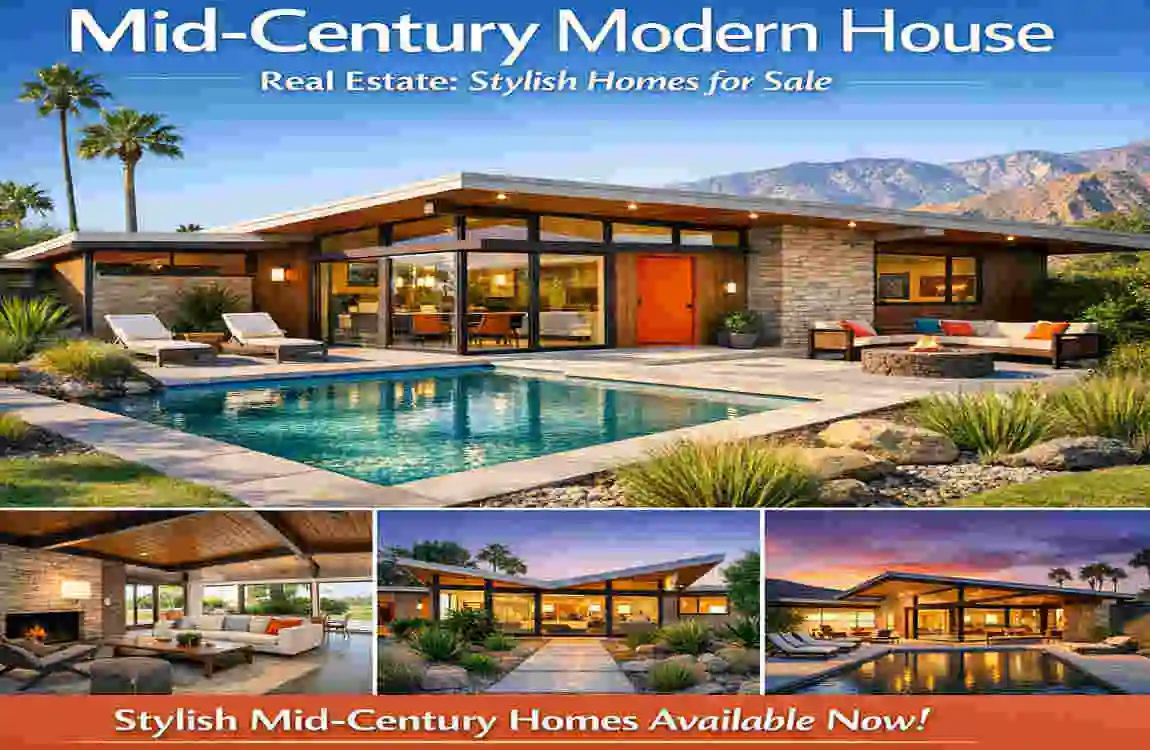
Mid-century modern house real estate has become a favourite choice for buyers who want style, comfort, and a home that feels timeless. These houses stand out because they are simple, open, and connected to nature. They do not feel crowded or overly decorated. Instead, they feel calm, bright, and easy to live in.
This style first became popular between the 1940s and 1970s, but it still fits today’s way of living. Many buyers now want homes with open layouts, big windows, and clean design. That is why mid-century modern homes are back in demand. They offer a mix of classic charm and modern comfort, which makes them attractive in today’s real estate market.
What Is a Mid-Century Modern House?
Clean, Simple Design
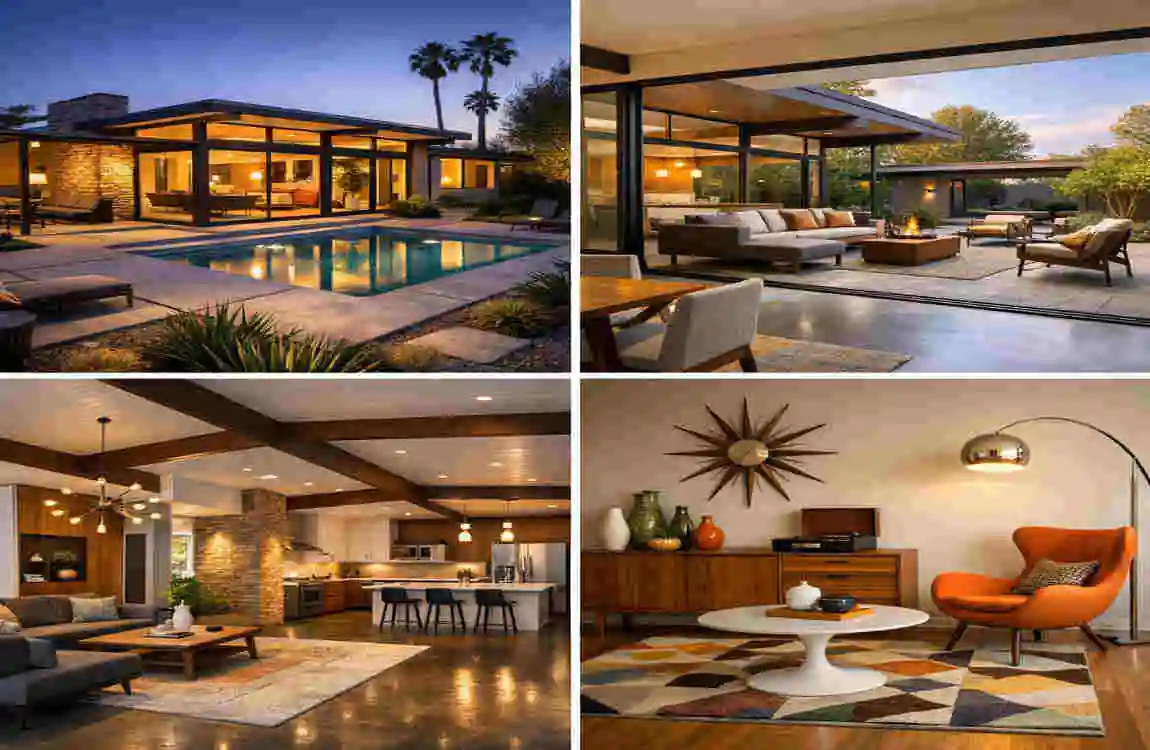
A mid-century modern house is known for clean lines, open spaces, and minimal decoration. The goal is to keep the design simple but elegant. These homes often have low roofs, flat planes, and a balanced look.
Large Windows and Natural Light
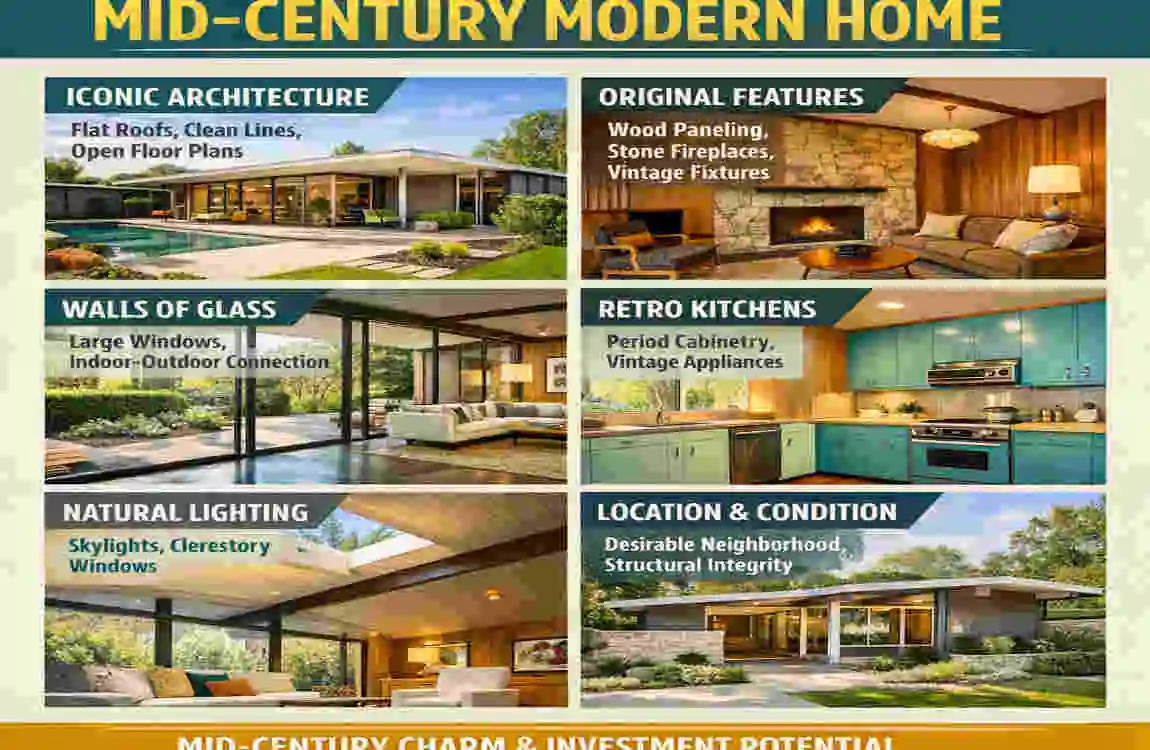
One of the most distinctive features of this style is the use of large glass windows. These windows bring in natural light and make the home feel more open. They also create a strong connection between indoor and outdoor spaces.
Open Floor Plans
Mid-century modern homes usually have open layouts. The living room, dining area, and kitchen often flow into each other. This makes the home feel larger and easier to use for everyday life.
Why Buyers Love This Style
Timeless Appeal
These homes never really go out of style. Their design looks fresh even after many years. That is one reason why buyers keep searching for mid-century modern house real estate.
Strong Market Demand
Many people want homes that feel unique but still practical. Mid-century modern houses offer both. Because of that, they often hold their value well and can attract strong buyer interest.
Fits Modern Living
Today’s buyers like homes that support a simple, flexible lifestyle. Mid-century modern design matches that need very well. The indoor-outdoor flow, natural light, and open rooms make daily life feel easier and more comfortable.
Market Trends to Know
Mid-century modern homes are especially popular in urban and suburban neighbourhoods. Some are fully restored, while others still need updates. Renovated homes usually cost more because they are move-in ready. Original homes may be cheaper, but they may also need more work.
Here is a quick look at how these homes compare:
Home TypeBuyer AppealCost LevelRepair Needs
Original Mid-Century Home High for design lovers Medium Higher
Renovated Mid-Century Home Very high Higher Lower
New Build in Mid-Century Style Moderate Medium to High Lower
What Buyers Should Look For
Good Structure
Before buying, always check the roof, foundation, windows, and plumbing. Some older homes need serious repairs, so a full inspection is very important.
Original Features
Many buyers love wood panelling, built-in shelves, and original architecture. These details help keep the home’s character. If they are still in good shape, they can add value.
Smart Updates
A good mid-century home should keep its style but still feel comfortable for modern life. Energy-efficient windows, updated kitchens, and smart home features can make the home more useful without changing its charm.
Buying Tips
- Work with an experienced agent who understands architectural homes.
- Check renovation history to see what has already been updated.
- Estimate restoration costs before making an offer.
- Look for energy efficiency, especially in older homes.
These steps can help you avoid surprises and choose a home that fits both your style and budget.
Pros and Cons
Pros
- Stylish and timeless design
- Strong buyer demand
- Clear architectural identity
Cons
- It can cost more to maintain
- Limited supply in many areas
- Some renovations may be restricted
FAQ
What defines a mid-century modern house?
It usually has clean lines, large windows, open rooms, and a strong indoor-outdoor connection.
Are mid-century modern homes a good investment?
Yes. They are often in demand and can hold value well over time.
Why are these homes so popular?
People love their timeless look, simple layout, and natural light.
Are they expensive?
Prices vary by location and condition, but many are considered Premium homes.
What should I check before buying one?
Look at the structure, renovation history, repair needs, and original design features.
| Feature | Description | Typical Price Range | Popular Locations | Key Appeal |
|---|---|---|---|---|
| Open Floor Plans | Spacious layouts with minimal walls | $500K – $3M+ | California, Texas, Arizona | Airy, modern living |
| Large Glass Windows | Floor-to-ceiling natural light design | $600K – $5M+ | Palm Springs, Los Angeles | Indoor-outdoor connection |
| Flat or Low-Pitched Roofs | Clean geometric architecture | $450K – $2.5M | Florida, Nevada | Iconic retro-modern style |
| Natural Materials | Wood, stone, and organic textures | $400K – $2M | Oregon, Colorado | Warm and timeless look |
| Indoor-Outdoor Living | Patios, decks, garden integration | $550K – $4M | California coast, Austin | Relaxed lifestyle experience |
