
Mid-century modern small homes are loved for a reason. They feel simple, warm, and easy to live in. Even when the floor plan is compact, this style can make a home look open, bright, and welcoming.
If you are working with a small space, this design approach gives you a big advantage. It focuses on clean lines, smart layouts, natural light, and practical furniture. That means your home can look stylish without feeling crowded.
Understanding Mid-Century Modern Desig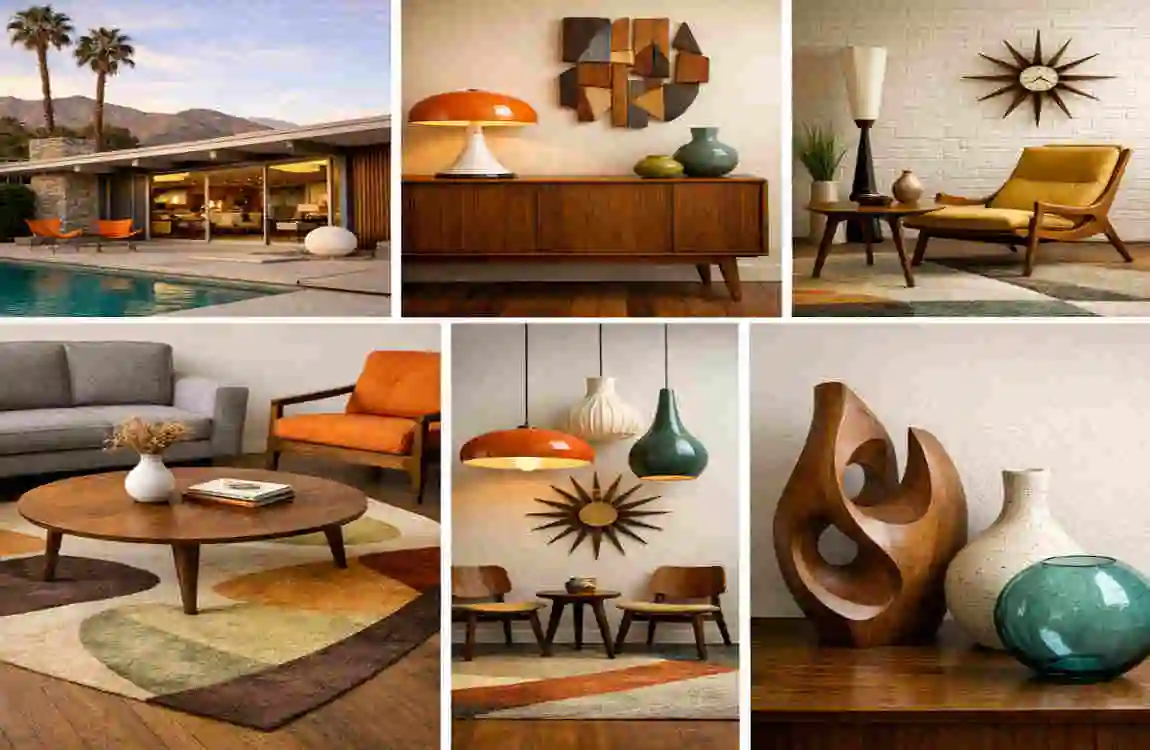
Origins of Mid-Century Modern Architecture
Mid-century modern design became popular in the middle of the 20th century, mainly from the 1940s through the 1960s. It came from a time when people wanted homes that felt more modern, more open, and easier to live in.
After World War II, there was a growing demand for practical housing. Families wanted homes that were affordable, attractive, and simple to maintain. Architects responded with designs that used open spaces, natural materials, and strong connections to the outdoors.
Both American and European ideas shaped this style. It borrowed from modern architecture, but it also aimed to feel warmer and more human. That is one reason it still has such broad appeal today.
You can often recognise mid-century modern homes by their low rooflines, large windows, and uncluttered appearance. But beyond the look, the real value lies in how these homes work. They are built to support everyday life in a smart, efficient way.
Core Design Principles
The heart of mid-century modern design is simplicity. That does not mean boring. It means every part of the home has a purpose. Nothing feels extra or unnecessary.
One of the strongest ideas behind this style is functionality. Furniture, windows, walls, and storage should all help the home work better. The design should feel easy to use, not complicated.
Another key idea is clean lines. You will see this in the shape of the house, the furniture, and even the way rooms connect. Straight lines and smooth shapes create a calm visual effect.
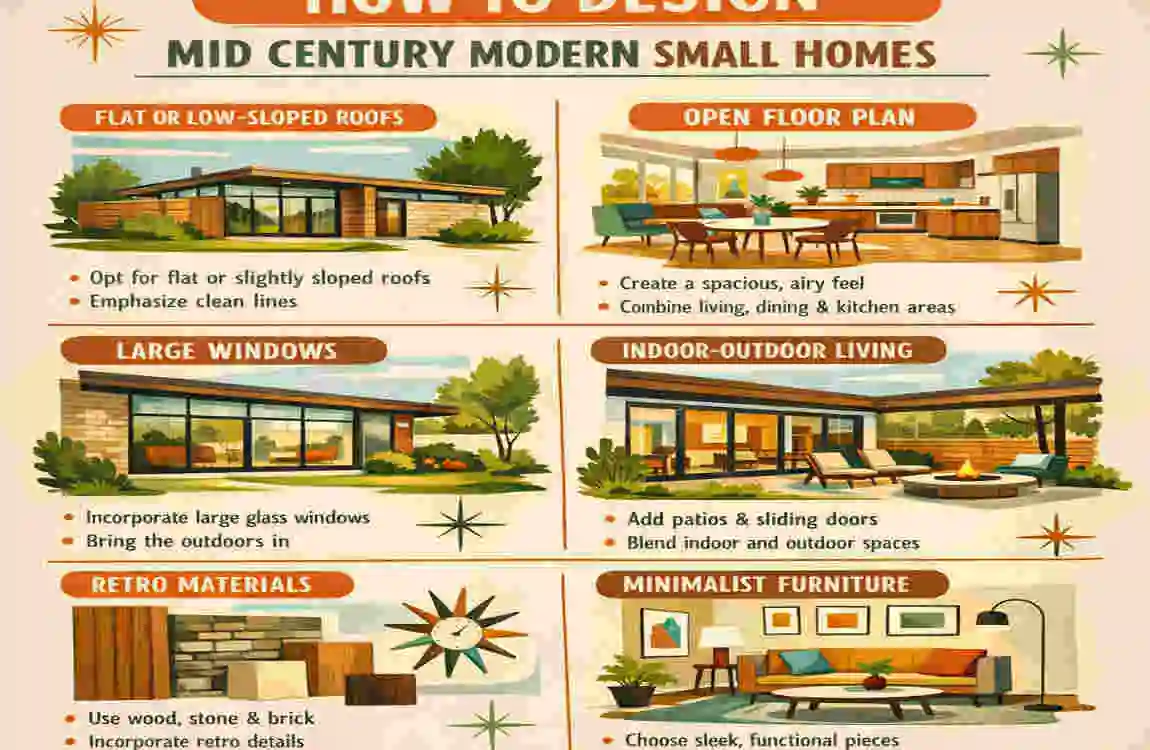
The fourth major principle is the indoor-outdoor connection. Mid-century modern homes often feature large windows, glass doors, patios, and natural finishes to bring the outdoors into everyday living. This creates a lighter, more open feeling.
These ideas are especially useful in small homes because they help the space feel less crowded. When a room is simple, clean, and well planned, it naturally feels larger.
Why It Works Well for Small Homes
This design style works so well in compact homes because it is already focused on making the most of every inch.
First, the layouts are often efficient. You do not see much wasted space or awkward corners. Rooms are shaped to support real use, which helps small homes feel intentional rather than cramped.
Second, mid-century modern style avoids too much clutter. When you keep decor simple, the eye can move through the space more easily. That gives the home a more open and relaxed feeling.
Third, the style has timeless appeal. You are not chasing a look that will feel old in a year or two. Instead, you are creating a home that stays attractive for a long time.
For small homes, that matters a lot. A thoughtful design can make a modest space feel special. It can also improve comfort, storage, and day-to-day living.
Planning the Layout of Mid-Century Modern Small Homes
Open-Concept Floor Plans
Open-concept layouts are a perfect fit for mid-century modern small homes. They reduce visual barriers and help the home feel larger than it really is.
When you remove unnecessary walls, light can move more freely. This makes the interior brighter and more inviting. It also helps different areas of the home feel connected, which is useful in a smaller footprint.
For example, a living room, dining area, and kitchen can be combined into a single open space. You still define each zone, but you do so with furniture, rugs, lighting, or small changes in flooring rather than full walls.
This kind of layout is helpful because it creates flow. You do not feel stuck in one tiny room after another. Instead, the home feels open and easy to move through.
If you are designing from scratch, think carefully about how the rooms will relate to each other. If you are remodelling, look for walls that may block light or limit useful space.
Maximizing Functionality
A small home should work hard for you. Every room needs a clear purpose, and sometimes a single room can serve multiple purposes.
A guest room might also be a home office. A dining nook might double as a craft area or homework station. A living area might need hidden storage for blankets, books, or electronics. These kinds of flexible uses are very common in small mid-century modern homes.
The goal is to make your home more adaptable. That way, it can support your real life without feeling overloaded.
To do this well, think about your daily habits. Where do you work? Where do you relax? Where do you store shoes, bags, or seasonal items? The more clearly you understand your routines, the easier it becomes to shape a useful layout.
This style supports flexibility because it values clean spaces and simple forms. You do not need heavy room dividers or oversized furniture to make a home feel complete. You just need smart choices.
Traffic Flow and Space Efficiency
Good traffic flow is one of the most important parts of small home design. If people have to squeeze around furniture or walk through awkward paths, the house will feel smaller and more stressful.
In mid-century modern design, space efficiency matters just as much as style. That means every piece of furniture should be placed with care. Leave enough room for people to move comfortably between areas.
Try not to push all the furniture against the walls unless that truly improves the space. Sometimes a slightly floated sofa or chair arrangement can make a room feel more balanced.
Also, avoid overcrowding. Too many items in one room can break up the flow and make the home feel busy. A better approach is to choose fewer pieces, but make them count.
Here is a simple way to think about it: if an item does not improve comfort, function, or beauty, it may not belong in the room.
Choosing the Right Exterior Design
Low-Pitched Rooflines
One of the most recognisable features of mid-century modern architecture is the low-pitched roofline. This roof shape gives the home a simple, horizontal look that feels calm and grounded.
For small homes, a low roofline can be a smart choice because it keeps the house looking sleek rather than bulky. It also supports the style’s clean, modern appearance.
A flat or gently sloped roof can make the building feel more architectural and intentional. It helps the home blend into its surroundings without becoming too visually heavy.
If you are building a new home, consider how the roofline will affect the overall shape. If you are updating an existing home, even small changes to trim, awnings, or lines can help reflect the style more clearly.
Large Windows and Glass Walls
Windows are a huge part of the look and feel of mid-century modern small homes. Large windows bring in natural light, which is one of the best ways to make a small space feel bigger.
Glass walls or wide window openings also create a strong connection to the outdoors. That connection is important because it makes the home feel less closed in.
If privacy is a concern, you can still use large windows. You may need smart window coverings, landscaping, or frosted glass in certain areas. The key is to let in light while protecting comfort.
A bright interior can completely change the feeling of a home. Even a small living room becomes more welcoming when daylight can move freely through it.
Natural Materials
Natural materials help mid-century modern homes feel warm and balanced. The most common choices include wood, stone, and brick.
Wood adds softness and texture. It prevents the design from feeling too cold or too industrial. Stone can bring in a sense of strength and grounding. Brick adds character and works beautifully with the simple lines of this style.
Using natural materials on the exterior also helps the house fit into its setting. It creates a link between the building and the surrounding landscape.
You do not need to use all of these materials at once. Even one or two well-chosen surfaces can support the overall style. The goal is to create harmony, not overload.
Modern Landscaping Ideas
Landscaping is part of the design, not just the decoration. For a mid-century modern home, the outdoor space should feel neat, simple, and intentional.
Native plants are a smart choice because they often need less care and work well in the local environment. They also help the home feel connected to the place where it stands.
Minimalist gardens fit the style beautifully. Instead of filling every inch with plants, focus on shape, spacing, and texture. Keep the lines clean and the overall look uncluttered.
A small gravel path, a simple planter, or a neatly trimmed lawn can all support the style. In fact, in a small home, less landscaping often looks better than more.
Interior Design Features for Mid-Century Modern Small Homes
Neutral Colour Palettes
Colour has a huge effect on how a small home feels. In mid-century modern design, neutral colour palettes are often the best starting point.
Think of shades like white, cream, beige, grey, taupe, and soft earthy tones. These colours help the space feel open and calm. They also allow the furniture and materials to stand out without competing for attention.
Neutral walls can make a small room feel larger because they reflect more light. They also create a good backdrop for mid-century pieces like walnut furniture, leather chairs, or simple artwork.
That does not mean your home has to feel plain. You can add colour through pillows, rugs, vases, artwork, or one accent chair. The key is to keep the base palette relaxed and easy on the eyes.
Warm Wood Finishes
Wood is one of the most important materials in this style. It brings warmth, texture, and a sense of natural beauty.
In mid-century modern small homes, you will often see woods like walnut, oak, or teak. These finishes work well because they feel rich without looking heavy.
Wood can appear in flooring, cabinetry, furniture, ceiling details, or wall panelling. Even a small amount can make the home feel more complete.
The best part is that wood helps balance all the clean lines. Since mid-century modern design can sometimes lean toward minimal or sleek, wood adds comfort and character.
Statement Lighting Fixtures
Lighting is not just practical in this style. It is also part of the design story.
A statement light fixture can act like a piece of art. Think of pendant lights, globe lights, or sculptural lamps with simple shapes. These details bring personality into a room without making it feel crowded.
In a small home, lighting should do two things at once: look beautiful and improve function. Good lighting helps each area feel more open, and it makes the space easier to use at different times of day.
Layering light is also important. Use a mix of ceiling lights, floor lamps, table lamps, and task lighting so the rooms never feel flat or dark.
Minimal Decorative Elements
Mid-century modern style does not rely on heavy decoration. Instead, it uses a few strong pieces that have meaning and purpose.
That could mean one bold art print, a ceramic vase, a textured rug, or a simple sculpture. These items should support the room, not overwhelm it.
In a small home, too many decorative items can quickly create visual noise. That makes the space feel smaller and less restful.
A better approach is to leave breathing room. Allow shelves, tables, and walls to have some space. That space is not wasted. It helps the design feel intentional and elegant.
Functional Furniture Selection
Furniture choices matter a lot in small homes. In this style, furniture should be sleek, useful, and well scaled.
Look for pieces with tapered legs, smooth surfaces, and simple shapes. These details keep the room feeling light. Furniture that sits off the floor can also make a small room appear less crowded because you can see more of the floor area.
You should also pay close attention to size. An oversized sofa or large dining table can overwhelm the room. Choose pieces that fit the scale of the home.
Here is a helpful comparison:
Design Element Best Choice for Small Mid-Century Homes Why It Works
Sofa Low-profile sofa with tapered legs Keeps the room visually light
Table Round or oval table Improves flow and saves space
Storage Built-in cabinets or floating shelves Reduce clutter and free floor space
Lighting Simple pendant or globe fixture Adds style without feeling heavy
Materials Wood, glass, metal, stone Supports the natural mid-century look
This table shows a simple truth: the right furniture makes a small home feel organised, open, and stylish.
Space-Saving Ideas for Small Mid-Century Homes
Built-In Storage Solutions
Built-in storage is one of the best ways to improve a small home. It uses walls and unused corners smartly, so your floor space stays open.
You can add built-in cabinets, window benches with hidden storage, wall shelves, or custom closets. These features help reduce clutter and make the home feel more streamlined.
In mid-century modern design, built-ins also fit the style naturally. They often have clean lines and simple shapes, which keep them visually quiet.
This matters because clutter is one of the fastest ways to make a small home feel cramped. When storage is built into the home, items have a place to go without creating a visual mess.
Multi-Functional Furniture
Multi-functional furniture is a must in compact homes. It gives you more value from every piece you buy.
A sofa bed, a storage ottoman, a nesting table set, or a dining table that can expand when needed are all great examples. These pieces help the home adapt to different needs throughout the day.
For example, if your living room also serves as a guest room, a sofa bed gives you flexibility without the need for a separate bedroom. If you work from home, a fold-down desk can create a workspace that disappears when not in use.
The best multi-use furniture feels natural, not gimmicky. It should simply support your life.
Vertical Storage Options
When floor space is limited, think upward. Vertical storage helps you use the room’s height rather than just the width.
Tall bookcases, wall-mounted shelves, hanging cabinets, and pegboard systems are all useful options. They keep items accessible while leaving the floor more open.
This is especially helpful in small kitchens, bathrooms, and entryways where storage is often tight. Vertical storage can make these areas feel more organised without adding bulk.
It also fits the mid-century modern idea of clean efficiency. You are using the whole room wisely instead of letting storage take over the space.
Smart Room Dividers
Sometimes you need to divide a room without fully closing it off. That is where smart room dividers come in.
Open shelving, slatted wood screens, low cabinets, and curtains can create soft boundaries between areas. They define zones while keeping light and movement flowing.
This is especially useful in open floor plans where one room may need to serve multiple purposes. A divider can separate the dining area from the living area or create a bit of privacy for a work zone.
The key is to keep dividers light and simple. Heavy walls or bulky partitions can work against the open feeling that makes this style so effective.
Incorporating Natural Light and Outdoor Living
Floor-to-Ceiling Windows
Natural light is one of the biggest strengths of mid-century modern design. Floor-to-ceiling windows take that idea even further.
These windows make the room feel larger because they visually extend the interior into the outside world. They also reduce the need for artificial lighting during the day.
In a small home, this can have a huge effect. A bright room feels more open, more cheerful, and more comfortable to spend time in.
If full-height windows are not possible in every room, even larger-than-average windows can improve the home’s feel.
Sliding Glass Doors
Sliding glass doors are another classic feature that works beautifully in small homes. They save space because they do not swing inward or outward like traditional doors.
They also create easy access to patios, decks, or yards. That helps the home feel bigger because the outdoor area becomes part of daily life.
When the doors are open, the home can feel connected to fresh air and natural light. When they are closed, they still give you a wide view of the outside.
This type of connection is one of the reasons people love the mid-century modern style. It makes the home feel more alive and less boxed in.
Courtyards and Patios
Even a small home can benefit from an outdoor sitting area. A courtyard or patio provides extra living space without increasing the house’s footprint.
These areas can be simple. A few chairs, a small table, some potted plants, and a clean surface may be all you need.
What matters most is that the outdoor space feels like a natural extension of the interior. Use similar materials, colours, or design shapes so the transition feels smooth.
A well-planned patio can become a place to relax, eat, read, or host guests. It adds a lot of value to a small home.
Seamless Indoor-Outdoor Transitions
Mid-century modern design works best when the inside and outside feel connected. That connection can happen through windows, doors, flooring, colour, or layout.
For example, if your indoor flooring flows toward a patio with a similar tone or texture, the space feels larger. If your furniture and outdoor pieces share a simple style, the transition becomes even smoother.
This is not just about looks. It also improves how the home feels to live in. The house becomes more open, more flexible, and more enjoyable.
For small homes, that sense of flow is especially important. It helps the entire property feel like one complete living environment.
Common Mistakes to Avoid
Overdecorating Spaces
One of the biggest mistakes in small homes is adding too much decoration. It can be tempting to fill every shelf and wall, but that usually makes the space feel tighter.
Mid-century modern style depends on restraint. You want the room to feel edited, not crowded.
Try to choose a few meaningful pieces instead of many small ones. That creates a stronger visual effect and keeps the room calm.
Ignoring Scale and Proportion
Scale matters a lot in small homes. A huge sofa, oversized art piece, or bulky cabinet can make a room feel unbalanced.
Always think about the size of the room before buying furniture or decor. A well-proportioned piece will look better and make the space feel more comfortable.
This is one of the easiest ways to improve a room without changing the entire layout.
Choosing Trendy Over Timeless
Mid-century modern design lasts because it is timeless. If you fill the home with trendy items, the style may lose its strength over time.
That does not mean you must avoid modern touches. It just means your main pieces should be lasting and classic.
Use trends in small ways if you want to try them. Keep the larger design choices focused on simple shapes and quality materials.
Poor Lighting Design
Bad lighting can ruin even a beautiful room. If the home is too dark or unevenly lit, it will feel smaller and less inviting.
Use layered lighting in every major room. Combine natural light with task lights and decorative lights so the home feels balanced at all times of day.
Lighting is not a final detail. It is part of the design foundation.
Budget-Friendly Design Tips
Prioritise Key Features
If you are working with a budget, focus on the features that will have the biggest impact. In a mid-century modern small home, that usually means layout, windows, lighting, and a few strong furniture pieces.
You do not need to renovate everything at once. Start with what will most improve the home’s feel and function.
Mix Vintage and Modern Pieces
You can create a great look without buying everything new. Mixing vintage-inspired items with modern pieces often gives the home more personality.
A secondhand wooden dresser, a used side chair, or a vintage lamp can work beautifully with newer furniture. This approach also helps control costs.
Repurpose Existing Furniture
Before buying new pieces, look at what you already own. A table may need a new finish. A chair may need fresh fabric. A cabinet may work better in another room.
Repurposing furniture saves money and can still give you the clean, simple look you want.
Invest in Quality Materials
It can be smart to save money in some areas, but do not cut corners everywhere. In a small home, quality materials make a noticeable difference.
Good flooring, strong hardware, and well-made furniture last longer and often look better too. That makes them worth the investment.
Future Trends in Mid-Century Modern Small Homes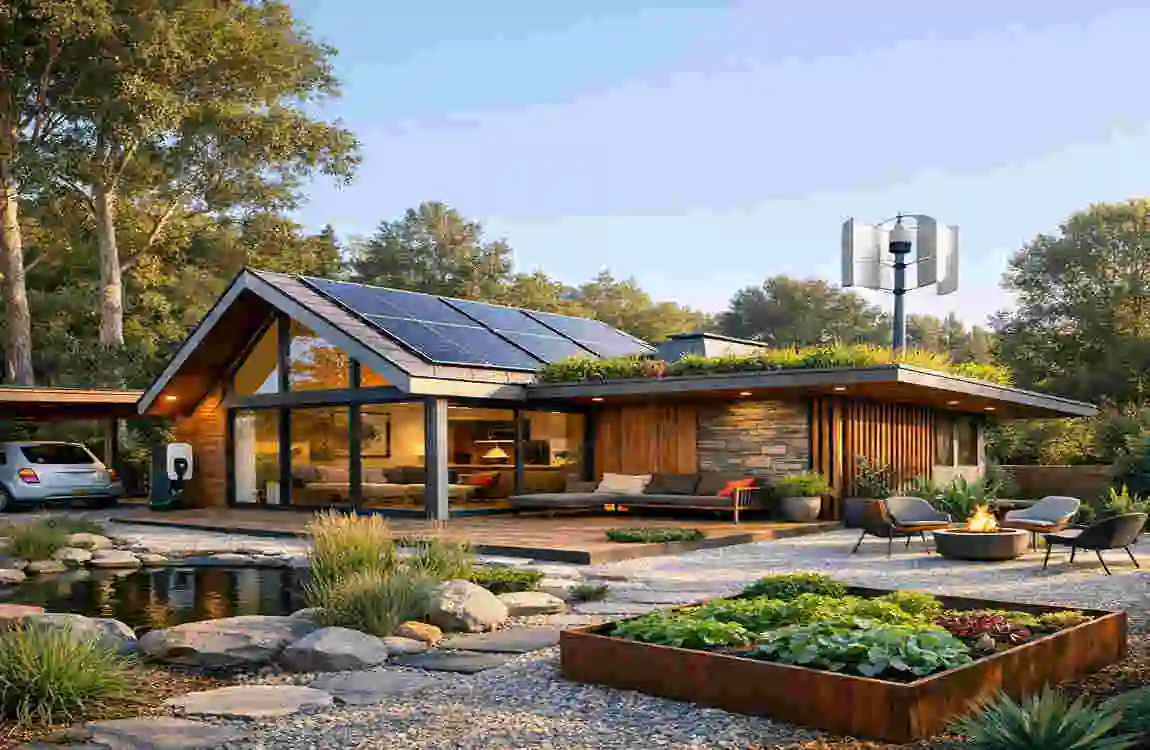
The future of mid-century modern small homes is likely to focus on comfort, efficiency, and sustainability.
More homeowners are choosing eco-friendly materials that look good and reduce environmental impact. Energy-efficient windows are also becoming more common because they help control temperature while keeping the home bright.
Smart home technology is another growing trend. It can improve lighting, heating, and security without adding clutter. That fits the mid-century modern focus on clean, functional living.
Frequently Asked Questions
What defines a mid-century modern small home?
A mid-century modern small home features clean lines, open layouts, large windows, minimal ornamentation, and a strong connection to nature. It combines style with practical living.
Are mid-century modern homes suitable for small lots?
Yes. Their efficient floor plans and focus on functionality make them a great match for smaller lots and compact spaces.
What colours work best in mid-century modern small homes?
Neutral tones like white, beige, grey, and earthy shades work well. You can add colour through accents, art, and decor while keeping the base palette calm.
How can I make a small mid-century modern home feel larger?
Use open layouts, let in more natural light, choose multi-purpose furniture, and keep clutter to a minimum. These steps help the home feel more open.
What materials are commonly used in mid-century modern design?
Common materials include wood, stone, glass, brick, and metal. These materials create a warm, natural, and timeless look.
Is mid-century modern design expensive?
Not always. You can achieve the look at different price points by mixing vintage pieces, using simple furniture, and focusing on a few key design features.
Why are mid-century modern small homes popular?
They are popular because they offer timeless style, practical layouts, energy efficiency, and a comfortable indoor-outdoor connection. They look good and work well in everyday life.
| Design Element | Description | Benefits |
|---|---|---|
| Open Floor Plan | Combine living, dining, and kitchen areas into one open space. | Creates a larger and more functional interior. |
| Large Windows | Use floor-to-ceiling or wide glass windows. | Maximizes natural light and outdoor views. |
| Clean Lines | Incorporate simple geometric shapes and minimal ornamentation. | Achieves the classic mid-century modern look. |
| Natural Materials | Use wood, stone, and brick accents. | Adds warmth and timeless appeal. |
| Neutral Color Palette | Choose white, beige, gray, and earthy tones. | Makes small spaces feel brighter and larger. |
| Functional Furniture | Select multi-purpose and space-saving furniture. | Improves comfort without cluttering rooms. |
| Indoor-Outdoor Connection | Add sliding glass doors and patios. | Expands living space and enhances relaxation. |
| Minimal Decoration | Focus on quality pieces rather than excessive décor. | Maintains a clean and organized appearance. |
| Flat or Low-Pitched Roof | Incorporate a signature mid-century roof design. | Enhances architectural authenticity. |
| Smart Storage Solutions | Use built-in shelves, cabinets, and hidden storage. |
