
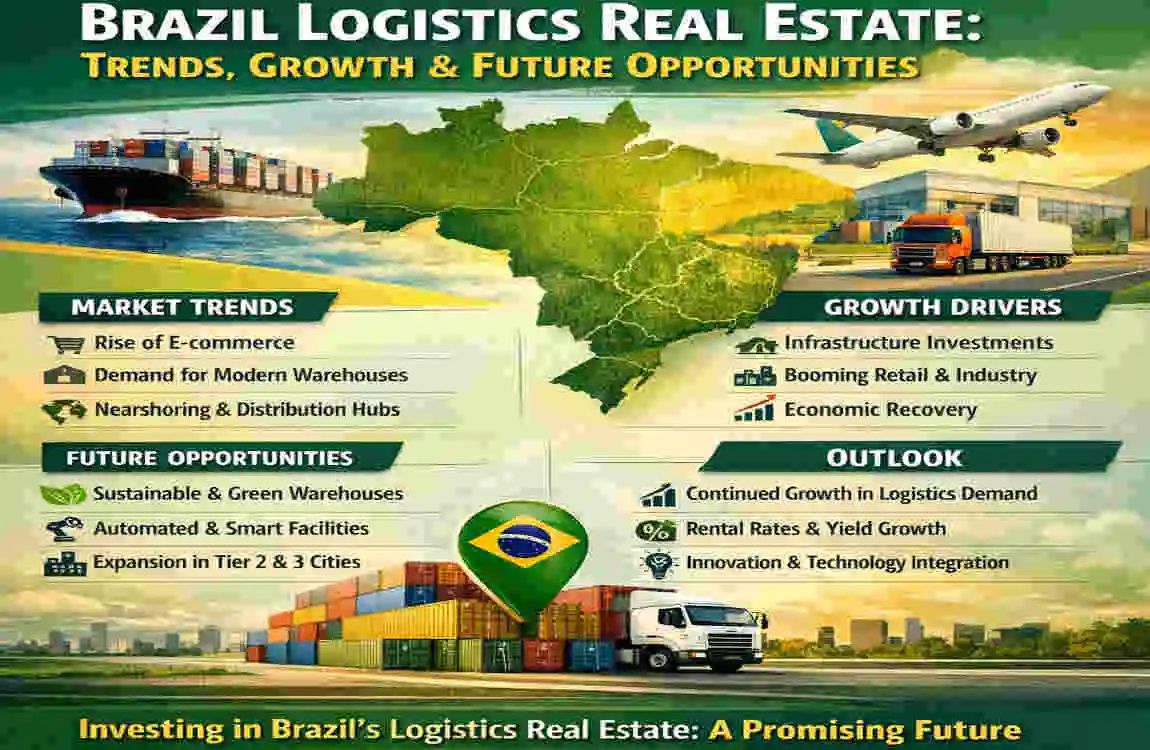
Brazil is becoming one of the most important logistics markets in Latin America. As online shopping grows, companies need more warehouses, distribution centers, and delivery hubs to move products faster and more efficiently. This is where Brazilian logistics real estate becomes a useful topic to understand.
If you look at the market today, you will see strong demand for industrial space, better transport links, and smarter storage facilities. Businesses want properties that help them reduce delivery times, manage stock better, and serve customers across large regions.
That is why logistics real estate is gaining attention from investors, developers, and business owners. It is not only about storing goods. It is about keeping supply chains moving in a country as large and diverse as Brazil.
Understanding Brazil Logistics Real Estate Market
What Is Logistics Real Estate?
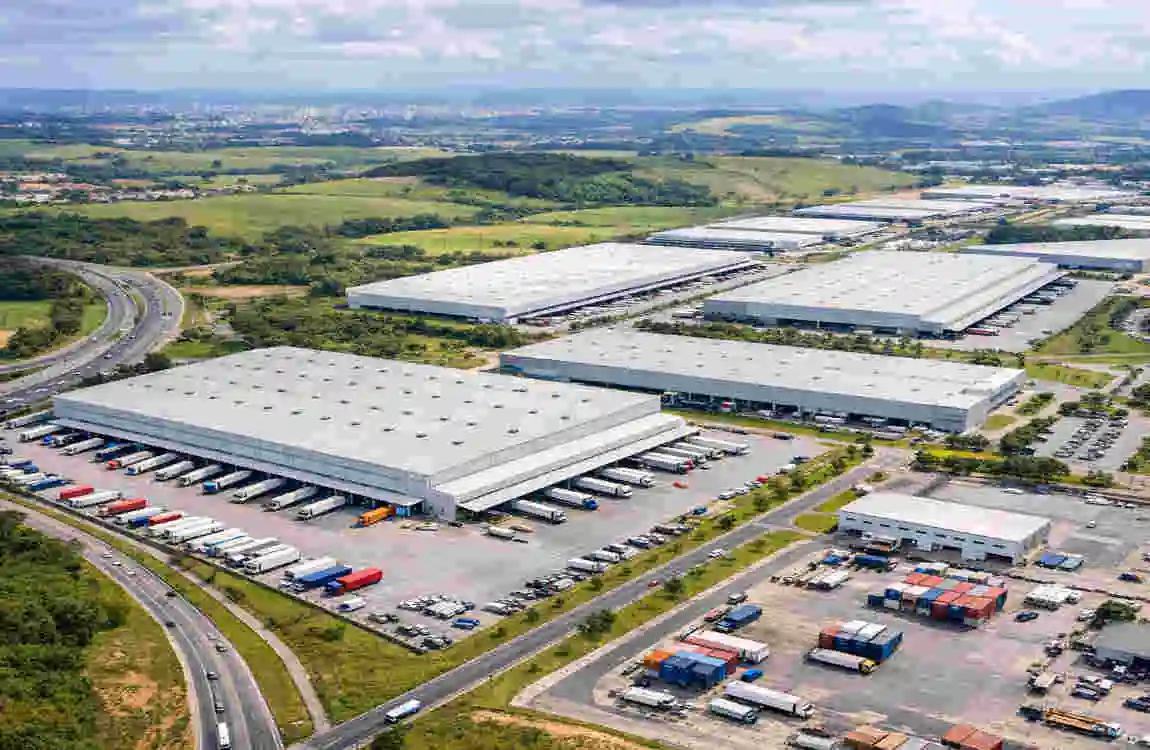
Logistics real estate refers to properties used to store, sort, move, and deliver goods. These buildings sit at the heart of the supply chain.
Common property types include:
- Distribution centers
- Warehouses
- Fulfillment centers
- Industrial parks
- Cold storage facilities
Each type serves a different job. A warehouse may hold products for longer, while a fulfillment center helps prepare online orders quickly. Cold storage is important for food, medicine, and other temperature-sensitive goods.
Why Logistics Properties Are Important in Brazil
Brazil is a large country with bustling cities, extensive transportation networks, and growing consumer demand. That makes logistics properties very valuable.
Companies need faster delivery services. Shoppers expect quick shipping. Businesses also need reliable storage facilities to hold products before they reach customers.
This is why logistics properties in Brazil are not just useful. They are necessary for modern trade and e-commerce.
Current Trends Driving Brazil Logistics Real Estate Growth
E-Commerce Expansion Increasing Warehouse Demand
Online retail in Brazil has grown quickly. More people now shop on websites and apps instead of visiting physical stores.
That shift creates more demand for warehouse development and fulfillment space in Brazil. Companies need places where they can pack, sort, and send products fast.
As a result, many businesses are building regional hubs closer to customers. This helps reduce shipping times and improve service.
Growth of Last-Mile Delivery Facilities
Last-mile delivery is the final step of shipping, from the warehouse to the customer’s door. It is one of the most important parts of modern logistics.
Because customers want faster delivery, businesses need facilities near big cities. This is especially true around:
- São Paulo
- Rio de Janeiro
- Belo Horizonte
- Curitiba
These urban logistics centers help companies stay close to demand and improve response times.
Technology Integration in Logistics Properties
Modern logistics properties are no longer simple storage spaces. Many now use technology to improve speed and accuracy.
Smart warehouses may include:
- Artificial intelligence
- Warehouse management systems
- Robotics
- Digital tracking tools
These tools help reduce mistakes, improve inventory control, and streamline operations.
Sustainable Logistics Real Estate Development
Sustainability is becoming more important in industrial real estate in Brazil. Developers are looking for ways to reduce energy use and lower environmental impact.
Common green features include:
- Solar power systems
- Energy-efficient lighting
- Sustainable building materials
- Better insulation and ventilation
These upgrades can lower operating costs and make properties more attractive to tenants.
Major Locations for Logistics Real Estate Investment in Brazil
São Paulo Logistics Market
São Paulo is the biggest logistics hub in Brazil. It has a huge consumer base, strong business activity, and a well-developed transport network.
This makes it a top choice for commercial real estate opportunities in Brazil. Many companies want to be close to the city because it offers access to suppliers, customers, and transport routes.
Rio de Janeiro Logistics Opportunities
Rio de Janeiro also offers strong logistics potential. Its port activity supports trade, import, and export operations.
The city needs more storage and distribution facilities to keep goods moving efficiently. That creates good opportunities for developers and investors.
Southern Brazil Logistics Growth
Southern Brazil is gaining attention too. Regions such as:
- Paraná
- Santa Catarina
- Rio Grande do Sul
are growing because of manufacturing and agriculture.
These areas support both domestic supply chains and export activity, which makes them promising for long-term logistics development.
Key Factors Supporting Brazil Logistics Real Estate Growth
Increasing Consumer Demand
Brazil’s urban population continues to grow, and shopping habits are changing. People want faster access to products and better delivery service.
That raises demand for well-located logistics space. Businesses need properties that help them serve customers without delay.
Infrastructure Improvements
Transport infrastructure plays a big role in logistics. Roads, ports, airports, and rail lines all affect how goods move.
When infrastructure improves, logistics real estate becomes more valuable. Better routes mean faster shipping and lower costs for companies.
Foreign and Domestic Investment
Both local and international investors are paying attention to the market. Many are looking to invest in warehouses in Brazil to benefit from steady demand.
Real estate funds and logistics developers are also expanding their presence. That creates more modern properties and more market activity.
Benefits of Investing in Brazil Logistics Real Estate
Long-Term Income Potential
One of the biggest benefits is stable rental demand. Businesses need storage and delivery space year-round.
That makes logistics properties a strong long-term source of income, especially in growing markets.
Portfolio Diversification
If you already invest in homes or offices, logistics real estate can add balance to your portfolio. It gives you exposure to a different part of the market.
This can help reduce dependence on traditional residential real estate.
Strong Demand From Businesses
Many types of companies need these spaces:
- Manufacturers
- Retail brands
- E-commerce businesses
- Food and cold storage users
Because demand comes from several industries, logistics properties often stay relevant even when other markets slow down.
Challenges Facing Brazil Logistics Real Estate Market
Infrastructure Limitations
Brazil still faces transport challenges in some regions. Not every area has equal access to strong roads, ports, or rail systems.
That can affect delivery speed and raise costs in some locations.
High Construction Costs
Building new logistics facilities can be expensive. Material prices and labor costs can rise quickly.
This may slow down some projects or make them less profitable at first.
Economic and Market Uncertainty
Interest rates, inflation, and broader market changes can affect investment decisions. These factors may create risk for developers and buyers.
Still, the long-term demand for logistics space remains strong in many areas.
Future Opportunities in Brazil Logistics Real Estate
Expansion of Automated Warehouses
Automation is becoming more common. Companies want faster, smarter, and more efficient facilities.
This opens the door for smart warehouses with advanced sorting, inventory tracking, and robotics.
Growth of Cold Chain Logistics
Cold storage is a major opportunity. Brazil has strong demand in food, agriculture, and pharmaceuticals.
These products need controlled temperatures, so specialized buildings are becoming more important.
Regional Logistics Hub Development
The future is not only about the largest cities. Smaller regional hubs are likely to grow too.
This can help businesses reach more customers while reducing pressure on major urban centers.
How Businesses Can Benefit From Logistics Real Estate at Home
Improving Supply Chain Efficiency
A better logistics property can reduce delivery times and improve transport planning. That matters a lot when customers expect quick service.
Supporting Local Business Growth
Small and mid-sized businesses also benefit. Good storage and inventory space make it easier to grow and serve more customers.
Creating New Investment Opportunities
Logistics space can also be a business model itself. Owners may lease warehouses, develop industrial property, or hold land for future growth.
Tips for Investing in Brazil Logistics Real Estate
Analyze Market Location
Before investing, study the area carefully. Look at:
- Transportation access
- Customer demand
- Industrial activity
A strong location can make a big difference in long-term success.
Choose the Right Property Type
Not every property serves the same purpose. You should compare:
- Small warehouses
- Large distribution centers
- Specialized storage facilities
The right choice depends on your goals and your target tenants.
Consider Future Market Trends
Think beyond today. Look for properties that fit future needs such as:
- Sustainability
- Technology
- E-commerce growth
That way, your investment stays useful for longer.
Brazil Logistics Real Estate vs Traditional Real Estate
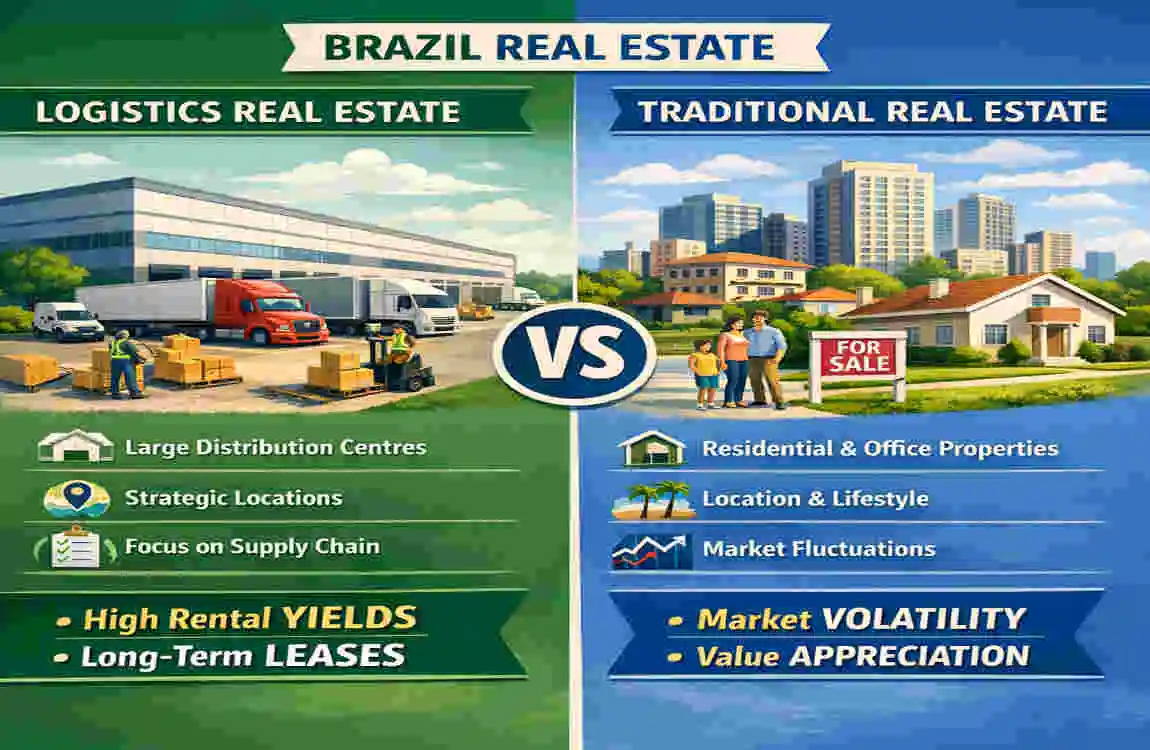
Feature Logistics Real Estate Traditional Real Estate
Main Purpose Storage and distribution Living or office use
Demand Driver E-commerce and supply chains Population and business needs
Growth Potential High Depends on location
Users Businesses and industries Residents and companies
Logistics real estate often moves differently from housing or office markets. That can make it a smart way to diversify.
Why This Market Matters for the Future
The rise of Brazil logistics real estate at home reflects a bigger shift in the economy. People are shopping online more often. Businesses are serving wider regions. And supply chains need to become faster and smarter.
That means warehouses, fulfillment centers, and industrial parks will stay important. In many cases, they will become even more valuable as Brazil continues to modernize its transport and trade systems.
If you are an investor, developer, or business owner, this is a market worth watching closely.
Frequently Asked Questions
What is Brazil logistics real estate?
It includes warehouses, distribution centers, and industrial buildings used to store and move goods.
Why is logistics real estate growing in Brazil?
Growth comes from e-commerce, consumer demand, better transport systems, and business expansion.
Is Brazil logistics real estate a good investment?
Many investors think so because of strong rental demand and long-term market growth.
Which Brazilian cities have the best logistics real estate opportunities?
São Paulo, Rio de Janeiro, Curitiba, Belo Horizonte, and several industrial regions offer strong potential.
How does e-commerce affect logistics properties in Brazil?
Online shopping increases the need for warehouses, fulfillment centers, and last-mile delivery facilities.
What are the risks of investing in Brazilian logistics real estate?
Risks include economic changes, rising construction costs, and infrastructure issues.
What is the future of logistics real estate in Brazil?
The future points to automation, sustainability, smart warehouses, and regional logistics growth.
| Category | Key Information |
|---|---|
| Market Overview | Brazil’s logistics real estate sector is expanding due to e-commerce growth, supply chain modernization, and demand for high-quality warehouses. |
| Current Growth Trend | Modern logistics parks and industrial warehouses are experiencing strong leasing activity, with record absorption and lower vacancy rates. |
| Main Growth Drivers | E-commerce, online retail expansion, manufacturing growth, infrastructure improvements, and last-mile delivery demand are boosting the sector. |
| Popular Investment Areas | São Paulo, Rio de Janeiro, Minas Gerais, and other strategic transportation hubs attract major logistics developments. |
| Technology Impact | Smart warehouses, automation, AI-based inventory systems, and digital supply chain solutions are shaping future logistics properties. |
| Sustainable Development | Green warehouses with energy-efficient designs, renewable energy, and eco-friendly construction are gaining importance. |
| Future Opportunities | Investors can explore logistics parks, distribution centers, cold storage facilities, and urban last-mile warehouses. |
| Key Challenges | Infrastructure limitations, high construction costs, economic changes, and financing conditions can affect growth. |
| Future Outlook | Brazil’s logistics real estate market is expected to remain attractive as companies continue investing in faster and more efficient delivery networks. |
