
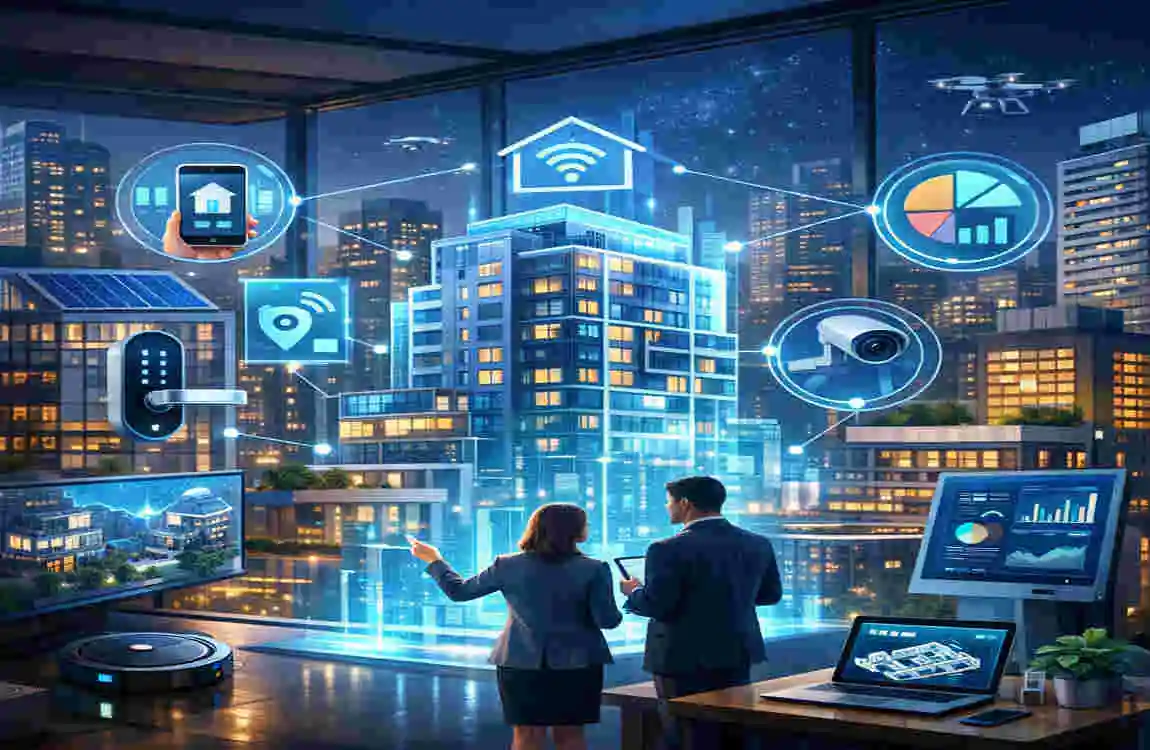
Property management technology is changing how real estate is managed every day. What used to take long hours of paperwork, phone calls, and manual tracking can now be done faster with digital tools. For property owners, managers, tenants, and investors, this means better communication, smoother maintenance, easier payments, and clearer reporting.
In simple terms, property management technology includes the software, apps, smart devices, and automated systems used to manage buildings and tenants. It helps teams work faster and stay organized.
This matters even more today because tenants expect quick service, owners want better results, and managers need to handle more work with less effort. As real estate becomes increasingly digital, technology is becoming a key part of modern property management.
What Is Property Management Technology?
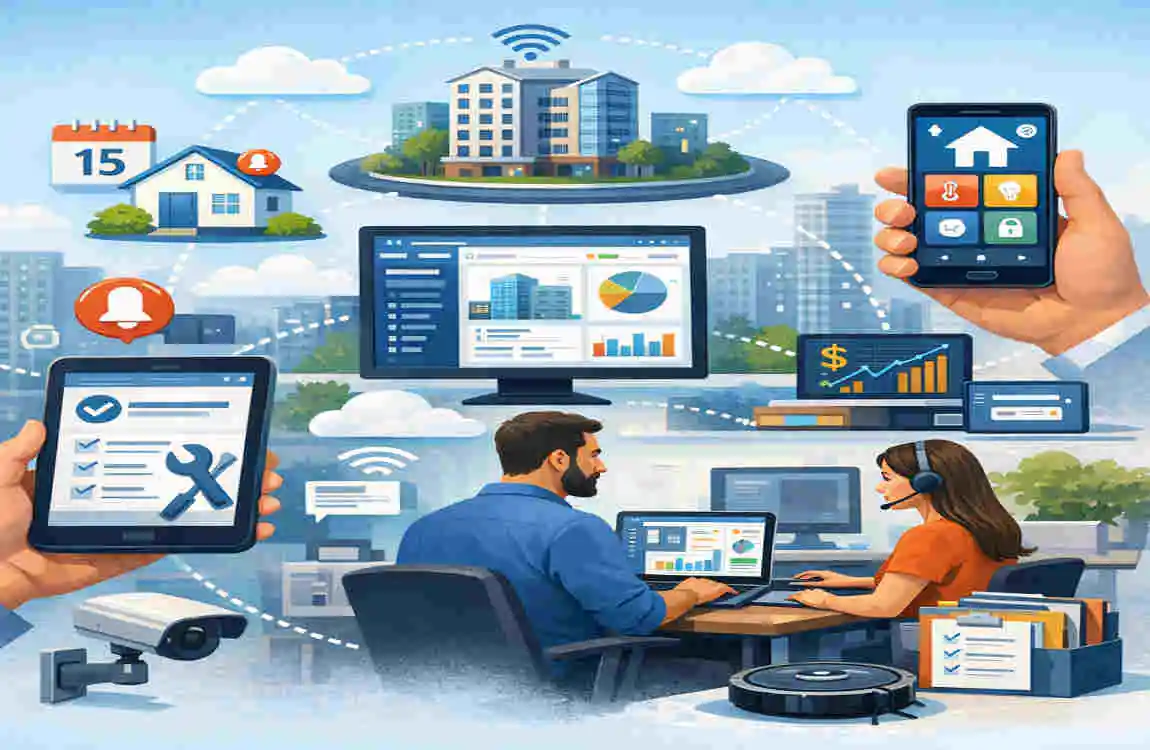
Property management technology refers to digital tools that help manage properties more efficiently. These tools support both residential and commercial properties by making daily tasks easier and more organized.
Common Tools Used
Some of the most common technologies include:
- Property management software
- Online rent payment systems
- Tenant communication platforms
- Smart home devices
- Automated maintenance systems
- Digital leasing tools
- Data analytics
- Artificial intelligence
Traditional property management often depends on paper files, manual reminders, and phone-based communication. Technology-based management replaces much of that with centralized, automated, and easier-to-track systems.
Why Property Management Technology Matters
Technology is not just a convenience. It solves real problems that property managers deal with every day.
Saves Time and Reduces Manual Work
Automation can handle repetitive tasks like rent reminders, invoice sending, report creation, and tenant notices. This reduces the time staff spend on routine work and lets them focus on bigger issues.
Improves Tenant Communication
Tenants want fast answers. With online portals, apps, and messaging tools, they can send requests and get updates without waiting on long phone calls. This creates a smoother experience for everyone.
Reduces Operating Costs
Digital systems can reduce paperwork, streamline admin work, and help prevent costly mistakes. Over time, the savings can add up, especially for managers handling multiple properties.
Improves Productivity
A central dashboard helps managers view payments, maintenance tasks, leases, and property data in one place. That makes it easier to stay in control, even with a large portfolio.
Key Types of Property Management Technology
Property Management Software
This is often the center of a digital property system. It helps organize:
- leases
- tenants
- rent payments
- maintenance requests
- property records
For growing portfolios, this kind of software makes it much easier to keep everything in one place.
Online Rent Collection
Digital payment systems make rent collection simpler for both landlords and tenants. Tenants can pay online, and managers can receive payments faster with fewer delays. Automated reminders also help reduce late payments.
Tenant Portals and Mobile Apps
Tenant portals let residents access lease documents, submit repair requests, and send messages. This self-service approach improves convenience and helps tenants feel more informed.
Smart Home and IoT Technology
Smart devices like locks, thermostats, sensors, lighting controls, and leak detectors can improve security and energy efficiency. These tools also help managers respond faster to problems.
Digital Leasing and Virtual Tours
Electronic signatures, online applications, and virtual tours make the leasing process faster and easier. They also reduce the need for in-person meetings and paper forms.
Technology TypeMain BenefitBest Use
Property Management Software Organizes operations Leasing, rent, and records.
Online Rent Collection Speeds up payments Monthly billing
Tenant Portals Improves communication Requests and documents
Smart Devices Boosts efficiency Security and energy savings
Digital Leasing Tools Speeds up rentals Applications and signing
How Artificial Intelligence Is Transforming Property Management
AI is becoming a major part of property management technology because it helps reduce repetitive work and improve decision-making.
AI-Powered Communication
Chatbots and automated response tools can answer common tenant questions at any time. This is useful after business hours and helps managers stay responsive.
Predictive Maintenance
AI can analyze equipment data and sensor signals to spot possible problems before they become costly repairs. That means managers can act early instead of waiting for breakdowns.
Better Data and Market Analysis
AI can study rental trends, occupancy rates, and performance patterns. This helps property owners make smarter decisions about pricing, leasing, and investment planning.
Automated Admin Tasks
AI can assist with document sorting, scheduling, and report preparation. Still, human oversight remains important because property management also depends on judgment and service.
Benefits for Owners, Investors, and Tenants
For Property Owners and Investors
Technology gives owners better visibility into how properties are performing. They can track income, expenses, maintenance, and occupancy more easily. It also helps them manage multiple properties without losing control.
For Tenants
Tenants benefit from:
- convenient online rent payments
- faster maintenance requests
- easier access to documents
- better communication
- more transparency
These simple improvements can make a big difference in tenant satisfaction.
How Technology Improves Property Maintenance
Maintenance is one of the most important parts of property management, and technology makes it easier to handle.
Digital Maintenance Requests
Instead of calling or emailing back and forth, tenants can submit maintenance tickets online. Managers can track, prioritize, and update requests more easily.
Preventive Maintenance
Technology can send reminders for inspections and routine upkeep. This helps prevent small issues from becoming larger, more expensive repairs.
Smart Sensors
Leak detectors, temperature monitors, and other connected devices can send real-time alerts. That allows managers to respond quickly before damage spreads.
Data Security and Privacy
Property systems store sensitive information, including tenant data, rent payments, lease files, and financial records. Because of that, security matters a lot.
Property managers should use:
- strong passwords
- secure software
- access controls
- regular updates
- trusted providers
It is also important to follow privacy and data protection rules that apply to the business.
Challenges of Adopting Property Management Technology
Even though the benefits are strong, switching to new technology can bring a few challenges.
Initial Costs
Software subscriptions, setup fees, hardware, and training all cost money. Still, these costs should be viewed against the long-term savings and efficiency gains.
Employee Training
Staff needs time to learn new systems. The best tools are usually the ones that are easy to use and supported by good training.
Technology Integration
Sometimes different tools do not work well together. Choosing platforms that integrate smoothly can prevent headaches later.
Cybersecurity Risks
Phishing, weak passwords, and unauthorized access can create serious problems. Security should always be part of the plan.
How to Choose the Right Property Management Technology
Choosing the right tool starts with knowing your goals. Before buying software or smart systems, ask what problem you want to solve.
Key Things to Consider
- the number of properties you manage
- the type of properties you own
- the features you need most
- ease of use
- security tools
- customer support
- pricing
- scalability
The best technology is the one that fits your current needs and can grow with your business.
The Future of Property Management Technology
The future looks digital, connected, and more automated.
More Automation
Managers will likely spend less time on repetitive tasks and more time on service, planning, and strategy.
Smarter Buildings
Connected buildings with smart access, energy tracking, and sensor systems will become more common.
AI-Driven Decisions
AI will likely play a larger role in identifying trends and guiding decisions, but human judgment will still matter.
Higher Tenant Expectations
Tenants now expect online payments, mobile communication, quick responses, and simple digital services. That trend will continue.
Practical Tips for Getting Started
If you want to adopt property management technology, start small and focus on the biggest need first.
Simple Steps to Follow
- Identify your main problem
- Choose one tool that solves it
- Train your team
- Roll it out gradually
- Track results
- Review security regularly
This step-by-step approach makes the transition easier and less overwhelming.
FAQ
What is property management technology?
It is the use of digital tools, software, apps, and smart devices to manage properties, tenants, rent, maintenance, and communication more efficiently.
What are the main benefits of property management technology?
The biggest benefits are time savings, better communication, easier rent collection, improved maintenance tracking, and stronger decision-making.
How does AI help property managers?
AI can help with tenant communication, data analysis, scheduling, document processing, and predictive maintenance.
Is property management software worth it?
For many property managers, yes. It can centralize work, reduce manual tasks, and improve organization.
How does technology improve the tenant experience?
It gives tenants easier ways to pay rent, request repairs, access documents, and communicate with managers.
Can technology replace property managers?
No. It can support the work, but human judgment and service are still essential.
| Topic | Key Information |
|---|---|
| Property Management Technology | Digital tools that help property managers handle properties, tenants, maintenance, and finances more efficiently. |
| Smart Property Management | Uses automation, cloud software, and data to simplify daily operations. |
| Tenant Experience | Online portals make rent payments, maintenance requests, and communication faster and easier. |
| Automation | Automates tasks such as rent reminders, property inspections, reporting, and maintenance scheduling. |
| Data & Analytics | Helps managers track occupancy, expenses, rental performance, and investment trends. |
| AI in Real Estate | AI can support tenant communication, predictive maintenance, property analysis, and decision-making. |
