

Finding your dream home is exciting, but it also needs careful planning. A house is a big purchase, so you should not rush into it based on emotions alone.
The best results come when you pay attention to budget, location, property condition, and future needs. These four areas can help you avoid expensive mistakes and find a home that truly fits your life.
Set a Realistic Home-Buying Budget

Calculate What You Can Afford
Before you start house hunting, take a close look at your money. Think about your income, savings, monthly expenses, and any debt you already have.
This step helps you stay realistic. A house may look perfect, but if the payments stretch your budget too far, it can quickly become stressful.
Try not to focus only on the listing price. The real cost of owning a home is usually higher than the number you first see online.
Include Extra Homeownership Costs
Many buyers forget that a home costs more than the mortgage payment. You also need to plan for:
- Property taxes
- Insurance
- Maintenance and repairs
- Utilities
- Closing costs
These extra costs can add up fast. When you know them early, you can avoid surprises later.
Get Mortgage Pre-Approval
Mortgage pre-approval is one of the smartest early steps. It shows how much a lender may be willing to lend you.
This makes house hunting easier because you already know your price range. It also helps sellers take your offer more seriously.
Choose the Right Location
Consider Your Daily Lifestyle
The right home should fit your daily routine. Think about how long it takes to get to work, school, shopping centers, parks, and important services.
A great house in the wrong location may still feel inconvenient. You want a place that supports your real life, not just your dream image.
Research the Neighborhood
Take time to study the area carefully. Look at safety, nearby amenities, local development plans, and home values.
It also helps to visit the neighbourhood at different times of day. A quiet street in the afternoon may feel very different at night or during rush hour.
Think About Future Resale Value
Even if you plan to live in the home for years, resale value still matters. Good locations often keep their value better over time.
Areas with strong transport links, job opportunities, and steady growth often attract more buyers later. That gives you more flexibility in the future.
Location Checklist
- Close to work or school
- Safe and well-kept streets
- Access to shops and services
- Strong property value growth
- Good transport options
Know What You Need in Your Dream Home
Separate Needs From Wants
This is one of the most helpful top tips for real estate for house buyers. Make two lists: one for needs and one for wants.
Needs are the features you cannot live without. Wants are the nice extras that would be great but are not essential.
This simple step keeps you focused. It also stops you from falling for features that look exciting but do not really matter in daily life.
Consider Home Size and Layout
Think about how many bedrooms and bathrooms you need. Also consider storage, parking, outdoor space, and work areas.
A home should fit your lifestyle today, but it should also work in the future. If your family grows or your routine changes, the layout should still make sense.
Look Beyond Appearance
Fresh paint and stylish furniture can make a house feel perfect. But looks can be misleading.
Pay attention to the home’s actual condition. Check the roof, plumbing, electrical systems, windows, insulation, and structure.
Work With the Right Real Estate Professional
Why a Real Estate Agent Can Help
A good real estate agent can save you time and stress. They understand the local market and can help you find homes that match your needs.
They also help with negotiations, paperwork, and communication with sellers. That support can be very useful, especially if you are buying for the first time.
Ask the Right Questions
When you view a property, ask useful questions. For example:
- How long has the property been on the market?
- Why is the seller moving?
- Are there known repair issues?
- What similar homes have recently sold nearby?
These questions help you understand the home’s value and possible concerns.
Compare Properties Carefully
Do not rush just because a house seems popular. Compare each property based on price, condition, location, features, and future costs.
A home that looks cheaper at first may need more repairs later. That is why careful comparison matters.
Inspect and Evaluate the Property
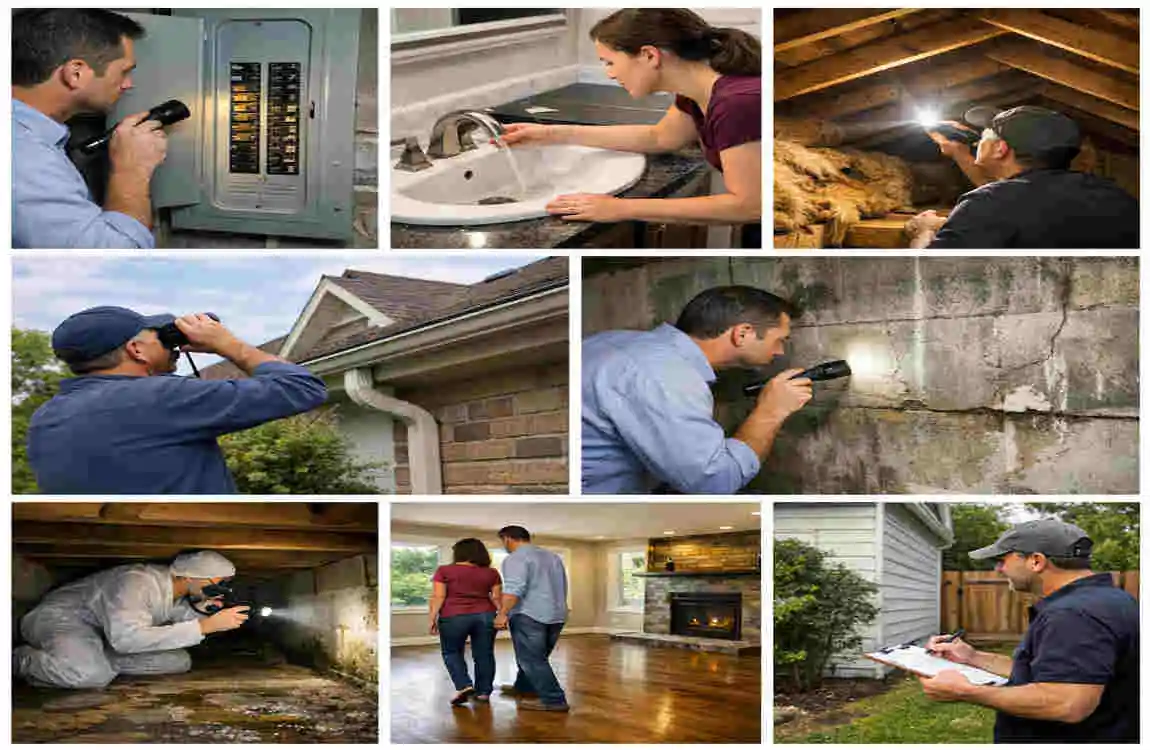
Schedule a Professional Home Inspection
A professional inspection is one of the most important steps before buying. It helps uncover problems you may not notice during a normal visit.
Inspectors usually check the foundation, roof, plumbing, electrical systems, HVAC, and moisture issues. Their report can help you make a better decision.
Look for Red Flags
During your visit, watch for warning signs like:
- Water stains
- Cracks
- Mould or moisture
- Roof damage
- Poor drainage
- Outdated electrical or plumbing systems
These issues do not always mean you should walk away. But they do mean you should ask more questions and think carefully.
Estimate Future Repair Costs
Some homes need small repairs right away. Others may need larger updates later.
Try to estimate those costs before you buy. This helps you decide whether the asking price is fair and whether the home truly fits your budget.
Make a Smart Offer and Complete the Purchase

Research the Local Market
Before making an offer, compare similar dream homes in the same area. Look at recent sales, not just the seller’s asking price.
This gives you a better idea of what the home is really worth. It also helps you avoid overpaying.
Understand Negotiation
Negotiation is normal in real estate. You can discuss price, closing dates, repairs, or other terms.
Set your maximum budget before talks begin. That way, you stay calm and avoid making an emotional decision.
Review the Contract and Closing Costs
Before signing anything, read the contract carefully. Make sure you understand the financing terms, inspection conditions, taxes, and closing expenses.
If needed, ask for qualified legal or financial advice. This can help protect you from mistakes and confusion.
FAQ
What are the top tips for real estate for house buyers?
Start with a realistic budget, choose the right location, define your needs, inspect the property, study the market, and negotiate carefully.
How do I know if a house is right for me?
Look at the price, location, condition, layout, maintenance needs, and whether it fits your current and future lifestyle.
Should I get a home inspection before buying?
Yes. A professional inspection can reveal problems that are not easy to see during a normal viewing.
How much should I budget for buying a house?
Your budget should include the down payment, mortgage, taxes, insurance, closing costs, maintenance, and repairs.
What should I look for when viewing a house?
Check the structure, roof, plumbing, electrical system, HVAC, windows, drainage, storage, layout, and signs of moisture or damage.
Is location more important than the house itself?
In many cases, yes. Location strongly affects daily convenience, lifestyle, and future resale value.
| Real Estate Tip | What to Do |
|---|---|
| Set Your Budget | Know your price range, savings, and monthly payment limit. |
| Choose the Location | Consider safety, schools, work, transport, and nearby services. |
| List Your Needs | Decide on bedrooms, bathrooms, size, and must-have features. |
| Research the Market | Compare home prices and recent sales in your preferred areas. |
| Inspect the Property | Check the roof, plumbing, electrical systems, structure, and overall condition. |
