

The real estate industry has changed a lot in recent years. What once depended mainly on phone calls, paper files, in-person visits, and manual records now runs through digital tools, smart systems, and data-driven platforms. This shift is not just convenient. It is changing how properties are bought, sold, rented, managed, and invested in.
That is where disruptive real estate technology comes in. In simple terms, it means technology that changes how real estate usually works. It makes property processes faster, easier, more transparent, and often more affordable.
Understanding Disruptive Real Estate Technology
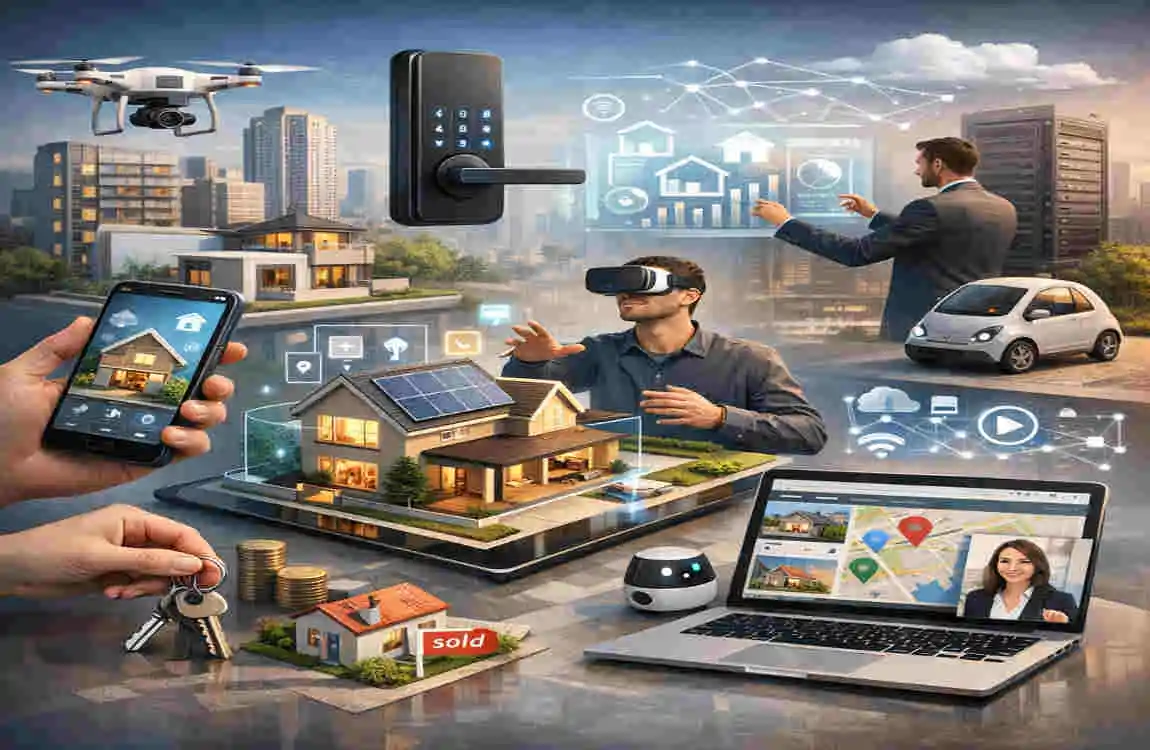
What Is Disruptive Real Estate Technology?
Disruptive real estate technology refers to digital tools that fundamentally change traditional property processes. It is not just about using software instead of paper. It changes how the whole system works.
Traditional real estate often moves slowly. It can involve long email threads, manual documents, repeated site visits, and many middle steps. Technology-driven real estate reduces those delays. It helps people find, compare, buy, lease, and manage property with less friction.
At the heart of this shift is property technology, often called PropTech. PropTech includes software platforms, automation tools, smart devices, and digital services that improve efficiency and user experience.
Why Technology Is Transforming Property Markets
People now expect digital convenience in almost every area of life, and real estate is no exception. Buyers want quick answers. Renters want fast communication. Investors want data they can trust.
Several forces are driving this change:
- Faster transactions
- Better access to information
- Data-based decision-making
- Lower administrative costs
- More convenience for customers
Automation is also a major reason. When software can handle simple tasks like reminders, document storage, or lead follow-up, professionals have more time for higher-value work.
Traditional Real Estate vs Technology-Driven Real Estate
Traditional real estate usually depends on manual work, in-person meetings, and paper-based records. Technology-driven real estate uses digital platforms, online signatures, smart data tools, and cloud systems.
Key Technologies Disrupting the Real Estate Industry
Artificial Intelligence and Machine Learning
AI in real estate is one of the industry’s biggest shifts. AI tools can analyse large amounts of data and provide useful recommendations.
For example, AI can recommend properties based on a buyer’s budget, location preference, and past searches. It can also help estimate property values by looking at market trends, nearby sales, demand patterns, and property features.
Machine learning improves over time. The more data it sees, the better its predictions can become. This helps agents, investors, and developers make smarter choices.
AI chatbots are also common now. They can answer basic questions, qualify leads, and guide users through property searches. That means faster service, even outside office hours.
Virtual Reality and Augmented Reality
Virtual reality, or VR, lets people walk through a property without visiting it in person. This is especially useful for remote buyers, international investors, or busy clients.
Augmented reality, or AR, adds digital design elements to real spaces. For example, a buyer can see how a room might look with new furniture, new paint, or a different layout.
These tools help people make decisions faster. They also reduce wasted visits and make listings more engaging.
Blockchain and Smart Contracts
Blockchain is a digital record system that stores information in a secure and hard-to-change format. In real estate, it can improve transparency in ownership records, title tracking, and transaction history.
Smart contracts are digital agreements that can automate parts of a deal when certain conditions are met. They may reduce delays and lower the need for manual checks.
Still, this area has challenges. Laws, adoption, and security concerns still matter. Blockchain has potential, but it needs strong regulatory support before it becomes routine in every market.
Big Data and Predictive Analytics
Big data helps real estate professionals understand trends more deeply. Instead of guessing where demand may rise, they can study income levels, migration patterns, local development, school zones, rental demand, and price history.
Predictive analytics uses that data to forecast things like:
- Future property demand
- Rental growth
- Risk levels
- Best investment zones
This can be especially helpful for investors who want to spot emerging neighbourhoods before prices rise too much.
Internet of Things and Smart Buildings
The Internet of Things, or IoT, connects devices inside buildings. These may include smart locks, sensors, lights, thermostats, cameras, and maintenance systems.
Smart buildings can improve comfort, security, and energy use. For tenants, that means an easier day-to-day experience. For owners, it can mean better maintenance control, less energy waste, and stronger property value over time.
This is where real estate innovation becomes visible in everyday life.
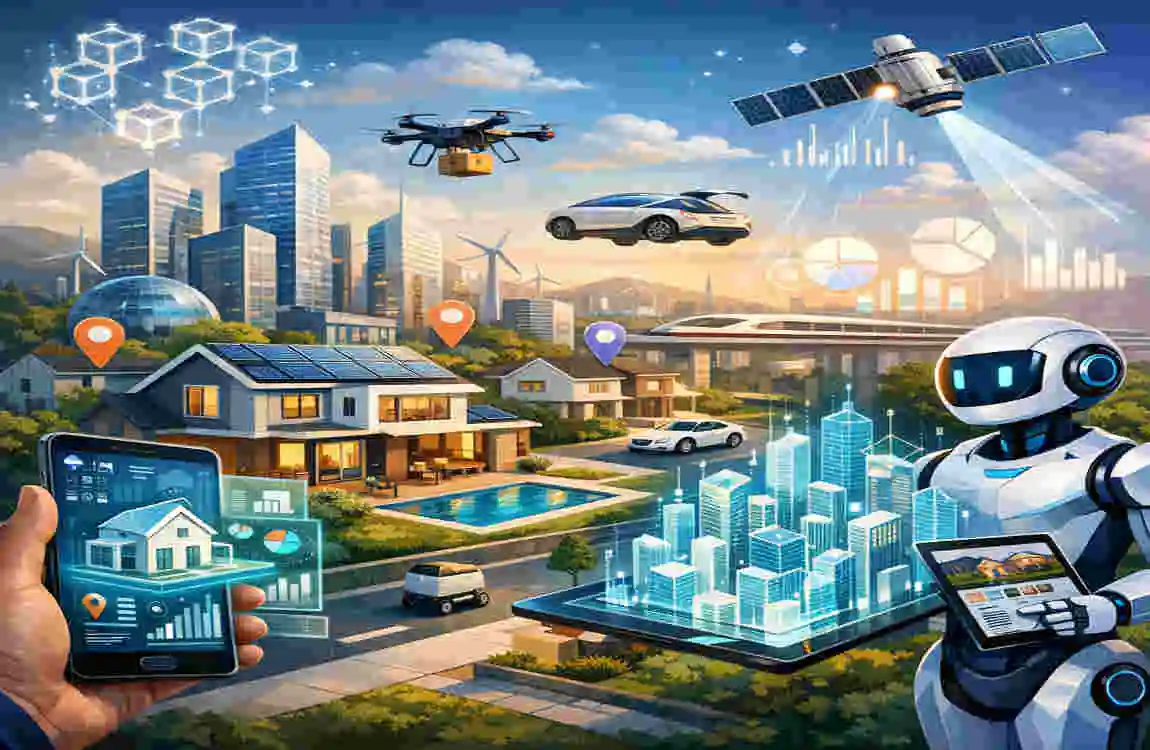
How Disruptive Technology Is Transforming Property Markets
Digital Property Buying and Selling
Property search has moved online. People now browse listings, compare features, view photos, and even take virtual tours before contacting an agent.
Digital documents and electronic signatures also speed up deals. Buyers and sellers can review papers, approve forms, and move through the process with less delay.
This does not remove the need for professional advice. It simply makes the process smoother and more efficient.
Real Estate Investment and Financing
Technology has opened the door for new forms of property investment. Crowdfunding platforms let many small investors pool money for a project. Fractional ownership tools can also make property investment more accessible.
Online mortgage applications and digital financial checks help speed up lending decisions. That matters because financing often slows deals down more than the property search itself.
Property Management Automation
Digital property management has changed life for landlords and managers. Software can now handle:
- Rent collection
- Lease reminders
- Maintenance requests
- Tenant messaging
- Financial tracking
This saves time and reduces mistakes. It also improves the tenant experience because issues can be handled faster and more clearly.
Real Estate Marketing and Customer Experience
Marketing has become much more targeted. Agents can use social media, paid ads, email tools, and customer data to reach the right audience.
Personalised property suggestions also improve the user experience. Instead of showing every listing, platforms can highlight the homes or units most likely to fit the buyer’s needs.
Virtual staging and interactive property tools also make listings more appealing. They help people imagine how a property could look once furnished or improved.
Commercial Real Estate Innovation
Commercial property is also changing fast. Smart office buildings can track occupancy, lighting, climate, and energy use. This helps businesses manage space better and cut costs.
Flexible workspaces are another big trend. Technology makes it easier to manage shared offices, book meeting rooms, and handle short-term leasing.
For commercial owners, digital tools improve both operations and decision-making.
Benefits and Challenges of Disruptive Real Estate Technology
Major Benefits for Buyers, Sellers, and Investors
The benefits of real estate technology are easy to see:
- More property information
- Faster transactions
- Better market insight
- Lower admin costs
- Greater transparency
- Improved customer satisfaction
For buyers, this means easier comparison and better confidence. For investors, it means sharper analysis. For sellers, it means wider exposure and smoother processes.
Benefits for Real Estate Agents and Developers
Agents and developers also gain a lot. They can manage leads more efficiently, automate parts of marketing, and track project progress more closely.
Construction and development teams can also use digital tools to plan more carefully and keep stakeholders informed. That reduces confusion and delays.
Challenges and Risks of Technology Adoption
Technology is powerful, but it also brings new risks. Some of the main concerns include:
- Cybersecurity threats
- Data privacy issues
- High setup costs
- Skill gaps in teams
- Inaccurate AI predictions
- Legal and regulatory uncertainty
If a company adopts new systems too quickly without training or review, problems can appear fast. Technology should support good judgment, not replace it.
How Businesses Can Overcome These Challenges
The best approach is gradual and careful. Businesses should train staff, choose secure platforms, verify automated results, and stay up to date on legal rules.
It also helps to test new systems on a small scale before rolling them out fully. That way, the business can measure results without taking on too much risk at once.
Future Trends in Disruptive Real Estate Technology

The Growing Role of Artificial Intelligence
AI will likely become even more useful. Property searches may become more personal, market forecasts more accurate, and routine workflows even more automated.
For real estate investors, AI may also help compare opportunities more quickly and spot risks earlier.
Smart Cities and Sustainable Buildings
Smart buildings will play a bigger role in smart cities. Energy systems, traffic planning, and building management may all become more connected.
This can help reduce costs, save energy, and make urban areas easier to live in. Sustainability and technology are becoming more closely linked every year.
Expansion of Digital Ownership and Tokenisation
Digital ownership models may also grow. Tokenisation can divide property interests into smaller digital units, potentially opening access to more investors.
Still, legal ownership and compliance will remain essential. New systems must protect rights, not weaken them.
Robotics, Drones, and Construction Technology
Drones are already helping with roof checks, land surveys, and progress monitoring. Robotics may also handle some construction tasks.
These tools can improve safety and efficiency, especially on large projects. They will not replace all human work, but they will change how work gets done.
Preparing for the Next Phase of Real Estate Innovation
If you run a real estate business, now is the time to build digital skills. Focus on tools that improve service, protect data, and support better decisions.
Trust will remain important. Customers still want expert advice and honest guidance. The best companies will combine technology with human judgment.
Frequently Asked Questions About Disruptive Real Estate Technology
What Is Disruptive Real Estate Technology?
It is technology that changes how people market, buy, finance, manage, and develop property. It includes tools like AI, virtual tours, blockchain, and property software.
How Is Technology Changing the Real Estate Industry?
It is making the industry faster, more transparent, and more data-driven. It also improves communication and reduces repetitive work.
What Are the Best Examples of Real Estate Technology?
Top examples include AI valuations, virtual tours, smart buildings, digital property management software, and blockchain-based records.
How Does AI Help Real Estate Investors?
AI helps investors study property values, identify trends, estimate rent, and reduce risk through faster data analysis.
Is Disruptive Real Estate Technology Good for Small Investors?
Yes, it can help small investors access information and opportunities more easily. But they still need to watch costs, risks, and platform quality.
|
Technology |
How It Transforms Real Estate |
Key Benefit |
|---|---|---|
|
Artificial Intelligence (AI) |
Predicts property prices and analyzes market trends |
Better decisions |
|
Virtual Reality (VR) |
Offers virtual property tours |
Saves time |
|
Blockchain |
Supports secure property transactions and records |
Greater transparency |
|
Big Data Analytics |
Studies buyer behavior and property demand |
Smarter investments |
|
Internet of Things (IoT) |
Connects smart home devices and security systems |
Improved efficiency |
|
PropTech Platforms |
Connects buyers, sellers, landlords, and tenants online |
Easier transactions |
|
Automated Valuation Models |
Estimates property values using data |
Faster valuations |
|
Smart Contracts |
Automates eligible real estate agreements |
Less paperwork |
|
Drones |
Captures aerial property images and site surveys |
Better property marketing |
|
Cloud Computing |
Stores and shares property data online |
Easy access |
