
Knowing your real estate house value is one of the smartest things you can do as a homeowner. It helps you understand what your home may sell for, how much equity you may have, and whether now is a good time to sell, refinance, or invest.
Your home’s value is not fixed. It can change with the market, your neighborhood, and the property’s condition. That is why it is important to consider more than one estimate.
What Is Real Estate House Value?

Real estate house value is the estimated worth of your home in the current market. It is affected by location, size, condition, updates, and local demand.
People often confuse value with the asking price or appraised value. These are related, but not the same.
Market Value, Appraised Value, and Asking Price
- Market value is the amount a buyer may be willing to pay.
- Appraised value is the professional opinion of value from an appraiser.
- Asking price is the amount the seller chooses to list the home for.
Understanding these differences helps you avoid pricing mistakes.
What Determines Real Estate House Value?
Location and Neighborhood
Location matters more than almost anything else. A home in a strong school district, safe neighborhood, or convenient area often has higher value.
Nearby parks, shopping, public transport, and steady local demand can also raise value.
Home Size and Layout
Larger homes often have higher value, but size alone is not enough. A smart floor plan with enough bedrooms, bathrooms, and usable living space can make a big difference.
A home that feels open and functional usually appeals more to buyers.
Property Condition
A well-maintained home usually holds its value better. Buyers notice the roof, plumbing, electrical system, HVAC, and general upkeep.
Curb appeal also matters. A clean, cared-for exterior can make a strong first impression.
Recent Upgrades and Renovations
Some improvements can raise value, especially when they improve daily living.
Common value-boosting updates include:
- Kitchen remodeling
- Bathroom upgrades
- Fresh paint
- New flooring
- Energy-efficient systems
- Outdoor improvements
How to Find Your Real Estate House Value
Check Recent Comparable Home Sales
One of the best ways to estimate value is by looking at comps, or comparable homes. These are nearby homes that recently sold and are similar to yours in size, age, and condition.
Comps give you a realistic picture of what buyers are paying in your area.
Use Online Home Value Estimates
Online tools can give you a fast starting point. They are useful, but they are not always exact, as they may not be aware of repairs, upgrades, or local details.
Use them as a guide, not the final answer.
Ask a Local Real Estate Agent
A local agent can give you a Comparative Market Analysis, or CMA. This looks at recent sales, neighborhood trends, and your home’s features.
This option is helpful if you are thinking about selling soon.
Get a Professional Home Appraisal
An appraisal is a detailed property valuation done by a licensed appraiser. It is often used for refinancing, selling, or legal matters.
It is usually more formal than a CMA and can give you a stronger estimate of value.
Simple Formula to Estimate Your Home’s Value
A basic way to think about it is:
Estimated Home Value = Comparable Sale Price ± Property Differences
For example, if a similar house sold for more money but your home has an older kitchen, your home’s value may be slightly lower. If your home has a better layout or recent upgrades, it may be worth more.
Factors That Can Increase Your Home’s Value
High-Return Improvements
Some changes often help more than others. These usually include:
- Updated kitchen
- Modern bathrooms
- Fresh interior paint
- Better lighting
- New or well-kept flooring
- Exterior maintenance
Strong Curb Appeal
The outside of your home matters just as much as the inside. Clean landscaping, a neat driveway, and an attractive front door can improve value and buyer interest.
Desirable Neighborhood
A home in a popular, well-kept neighborhood often holds value better over time. Good schools and low crime rates also help.
Factors That Can Lower Real Estate House Value
Poor Maintenance
Small problems can become big ones if ignored. Leaks, peeling paint, roof damage, and broken systems can make buyers nervous.
Outdated Interiors
A home that looks old or worn may sell for less unless the price reflects the condition.
Location Issues
Busy roads, noise, high crime, or declining neighborhood demand can reduce value.
Structural or Environmental Problems
Foundation issues, flooding risk, or other serious concerns can also lower value.
Real Estate House Value vs. Selling Price
TermMeaning
Market Value Estimated amount a property may sell for
Appraised Value Professional valuation of the property
Asking Price Price the seller lists the home for
Selling Price Final agreed price paid by the buyer
Assessed Value Value used by local authorities for tax purposes
How to Increase Your Home’s Value Before Selling
Focus on Simple, Smart Improvements
You do not always need a full remodel. Sometimes small updates make the biggest impact.
Good choices include:
- Fresh paint
- Clean lighting fixtures
- Minor kitchen updates
- Bathroom touch-ups
- Clean floors and carpets
Improve Curb Appeal
Start with the outside. Trim plants, clean the walkway, repaint the front door, and fix small exterior issues.
Make Necessary Repairs
Fix leaks, damaged walls, and electrical or plumbing problems before listing your home. Buyers often notice these things quickly.
Common Mistakes When Estimating Home Value
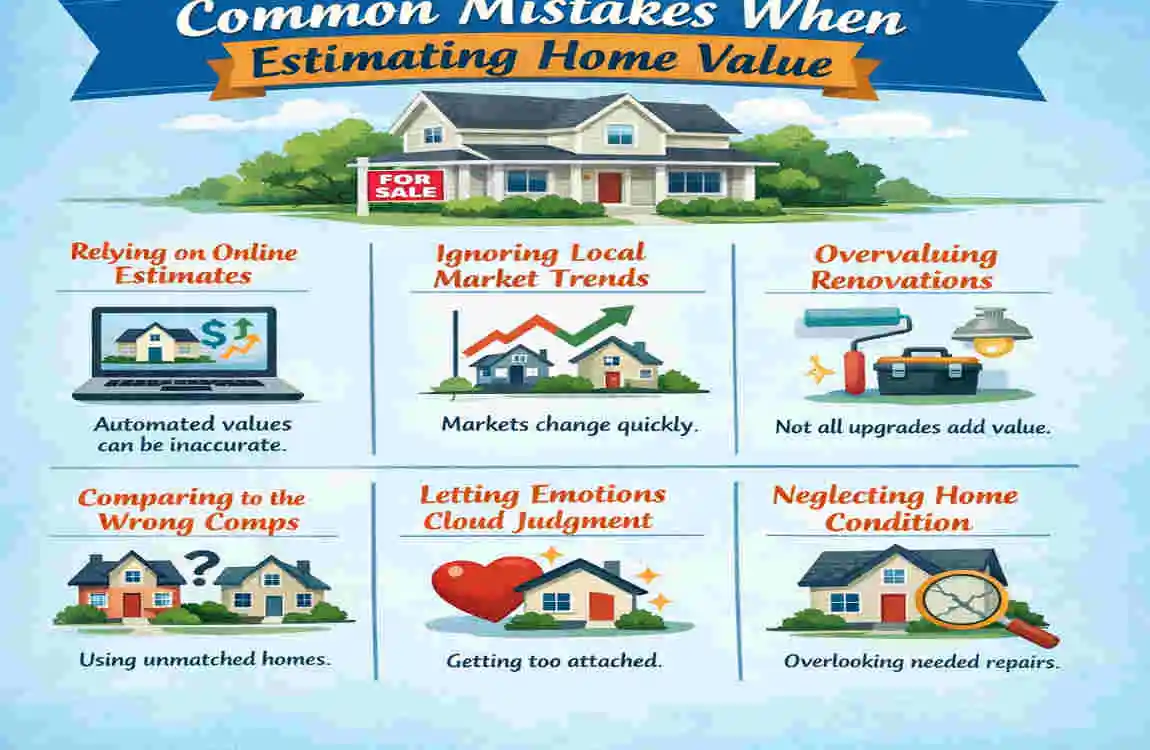
Many homeowners make the same mistakes when trying to find their home’s worth.
- Relying only on online estimates
- Comparing the home to very different properties
- Adding renovation costs directly to value
- Ignoring local market conditions
- Pricing based on emotion instead of facts
FAQs About Real Estate House Value
What is real estate house value?
Give a simple definition and explain why it can change over time.
How can I calculate my home’s value?
Explain comparable sales, online estimates, CMAs, and appraisals.
What factors affect a house’s value the most?
Mention location, size, condition, comparable sales, and market demand.
Are online home value estimates accurate?
Explain that they are useful starting points but may not reflect the property’s exact condition or local circumstances.
Does renovating a house increase its value?
Explain that some improvements can increase value, but the return varies by project and market.
| Factor | How It Affects Home Value |
|---|---|
| Location | Desirable neighborhoods, schools, amenities, and transport can increase value. |
| Home Size | Larger living areas and useful floor plans often have higher values. |
| Property Condition | Well-maintained homes generally attract better offers. |
| Recent Upgrades | Updated kitchens, bathrooms, flooring, and energy-efficient features can add value. |
| Comparable Sales | Recent sales of similar nearby homes help estimate current market value. |
| Market Conditions | Buyer demand, interest rates, and local inventory can raise or lower prices. |
| Curb Appeal | Attractive landscaping, exterior finishes, and a well-kept entrance can improve value. |
| Professional Appraisal | A qualified appraiser can provide a more formal estimate based on market evidence. |
