

If you have ever browsed property listings and seen P.O.A instead of a clear price, you are not alone. Many buyers wonder what P.O.A. stands for in real estate and why some homes do not show a number at all.
In simple terms, P.O.A means “Price on Application.” It means the seller or agent will share the price only when you ask. This listing style is common in certain property markets, especially where sellers want more privacy or more room to negotiate.
You will often see P.O.A on luxury homes, commercial buildings, and high-value properties. Sometimes it is also used when the market is changing quickly, and the seller does not want to lock in a public price too early.
If you are a buyer, this does not mean the home is out of reach. It just means you need to take one extra step and ask for the price. If you are a seller, it can help you keep things flexible.
What Does P.O.A Stand for in Real Estate?
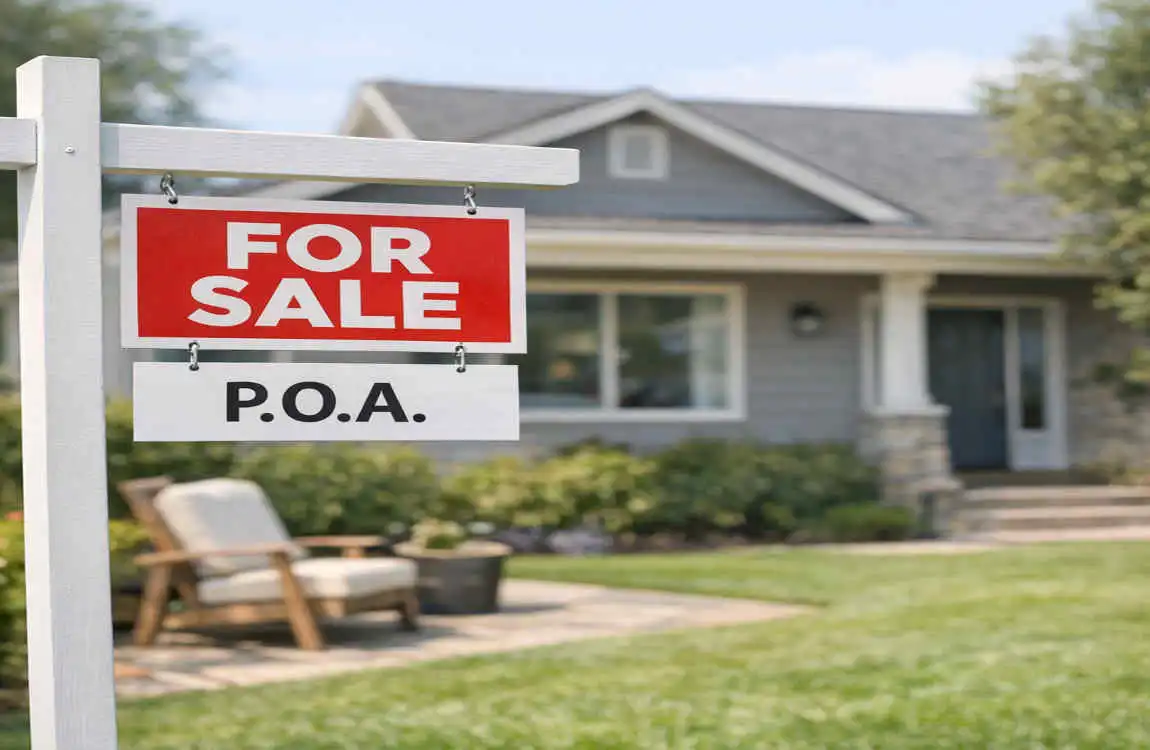
P.O.A stands for Price on Application.
This means the price is not shown publicly in the listing. Instead, the buyer must contact the estate agent or seller to request it. In some cases, this helps create more serious inquiries because only interested buyers take the next step.
A fixed-price listing is easy to understand because the amount is displayed immediately. A P.O.A listing works differently because the seller keeps the price private until someone asks.
Why Do Homes Have P.O.A Instead of a Price?
There are several reasons sellers use P.O.A. Some are practical, while others are strategic.
Seller Privacy
Some sellers do not want everyone to know the value of their property. This is especially common when the home is unique, private, or tied to sensitive personal matters.
Luxury Property Listings
High-end homes often use P.O.A. because their value can vary widely. A custom-built mansion, waterfront estate, or rare property may not fit neatly into a standard price range.
Flexible Negotiation
P.O.A gives sellers more room to negotiate. Instead of using a single public number, they can speak with buyers individually and respond based on their interests and demand.
Changing Market Conditions
When the market changes quickly, a public price can become outdated quickly. P.O.A helps sellers avoid listing a price that may no longer match current conditions.
How Does P.O.A Work?
The process is usually simple.
First, you contact the real estate agent and ask for the price. The agent may also share extra details, such as why the property is listed as P.O.A and whether the seller is open to negotiation.
Next, you may arrange a viewing if the home fits your budget and needs. After that, you can decide whether to make an offer.
Here is the basic flow:
- Ask for the price
- Review the property details
- Visit the home
- Make an offer if you are interested
This process is not very different from buying a home with a fixed price. The main difference is that you need to request the pricing information first.
Advantages of P.O.A Listings
P.O.A listings can help both buyers and sellers in certain situations.
One major advantage is pricing flexibility. The seller can adjust the final price based on demand, buyer interest, and market conditions.
Another benefit is exclusive marketing. Some sellers prefer a quieter, more private sales process.
P.O.A can also encourage serious buyers. Since the buyer must take the initiative, the inquiries may be more focused and genuine.
Main Advantages
- Flexible pricing
- More privacy for the seller
- Better negotiation room
- Attracts serious buyers
Disadvantages of P.O.A Listings
Even though P.O.A has benefits, it also has some downsides.
The biggest issue is the lack of price transparency. Buyers may feel frustrated if they cannot see the price right away.
It also takes extra effort because you must contact the agent before you even know if the home is within budget.
Another challenge is comparison. If one property has a fixed price and another uses P.O.A, it becomes harder to compare them quickly.
Some buyers may skip P.O.A listings because they want clear numbers before making contact.
Is P.O.A Common in Real Estate?
Yes, P.O.A is quite common in some parts of the market.
It is often seen in:
- Luxury homes
- Commercial properties
- High-value estates
- Competitive housing markets
In these areas, sellers may prefer privacy, flexibility, or a more tailored sales approach. Still, P.O.A is not limited only to expensive homes. It can appear in different price ranges depending on the seller’s goals.
Tips for Buying a P.O.A Property
If you are interested in a P.O.A listing, do a little homework first. That will help you make better decisions and avoid overpaying.
First, research local market prices. Look at similar homes in the same area so you understand what the property may be worth.
Next, ask the agent for comparable sales, if possible. This can give you a stronger idea of fair value.
You should also set a clear budget before making contact. That way, you will know your limit and avoid wasting time.
Most importantly, negotiate confidently. P.O.A does not mean the seller controls everything. You can still make a reasonable offer.
Tips for Sellers Using P.O.A

If you are a seller, P.O.A can be a useful tool, but it works best when handled well.
You should first know your property’s value. If the price is too high, buyers may walk away. If it is too low, you may lose money.
Respond quickly when people ask about the listing. Slow replies can make buyers lose interest.
It also helps to provide clear property details. Even if the price is private, buyers still want to know the size, condition, location, and key features.
Finally, be open to reasonable offers. A flexible attitude can help you reach a deal faster.
P.O.A vs Fixed Price
Here is a simple comparison:
P.O.AFixed Price
Price available on request Price publicly displayed
More flexible negotiation , less room for negotiation
Common in luxury homes Common in standard homes
More private , More transparent
A fixed price listing is usually easier for quick browsing. A P.O.A listing may suit sellers who want privacy and buyers who are ready to ask questions.
Common Misconceptions About P.O.A
Some people misunderstand P.O.A, so let’s clear that up.
First, it does not always mean the home is very expensive. While it is common in high-end properties, it can appear in other situations, as well.
Second, it does not mean bidding is required. You are still allowed to make a normal offer after learning the price.
Third, it is not only for luxury homes. Different sellers use it for different reasons.
Finally, buyers can still negotiate. P.O.A changes how the price is shared, not the entire buying process.
Frequently Asked Questions
What does P.O.A stand for in real estate?
P.O.A. stands for Price on Application, meaning the price is available only upon request from the seller or agent.
Why do some houses have P.O.A instead of a price?
Sellers use it to keep privacy, attract serious buyers, and allow more flexible negotiation.
Is a P.O.A. more expensive than a fixed-price home?
Not always. It is often used for luxury homes, but it can also appear in other price ranges.
Can I negotiate a P.O.A property?
Yes, you usually can. In many cases, P.O.A listings are meant to allow negotiation.
How do I find the price of a P.O.A property?
Just contact the listing agent or the real estate agency and ask for the asking price.
| Topic | Information |
|---|---|
| Term | P.O.A (Price on Application) |
| Meaning | The property’s sale price is not publicly displayed. Interested buyers must contact the seller or agent for pricing. |
| Common Use | Luxury homes, high-value estates, commercial properties, and exclusive real estate listings. |
| Why Sellers Use P.O.A | To maintain privacy, attract serious buyers, or allow flexible price negotiations. |
| Buyer Action | Contact the real estate agent or seller to request the current asking price and property details. |
| Advantages | Greater privacy, controlled inquiries, and room for negotiation. |
| Disadvantages | Less price transparency and may discourage some buyers from inquiring. |
| Negotiation | Buyers can often discuss pricing and make offers after receiving the property’s details. |
| Best For | Premium homes, unique properties, waterfront estates, and luxury residences. |
| Key Takeaway | P.O.A means the home’s price is available only upon request rather than being listed publicly. |
