

Real estate development is the process of turning land or property into something useful, valuable, and profitable. That can mean building homes, apartments, offices, retail spaces, or mixed-use projects.
If you want to become a developer, experience matters a lot. Real estate development is not just about buying property. It also involves planning, financing, construction, market research, and managing risk.
The good news is that you do not need to start with a huge project. You can build experience step by step through education, work experience, mentorship, and smaller projects. That is the smartest way to learn how to become a developer with real-world experience in real estate.
Understand What Real Estate Developers Actually Do
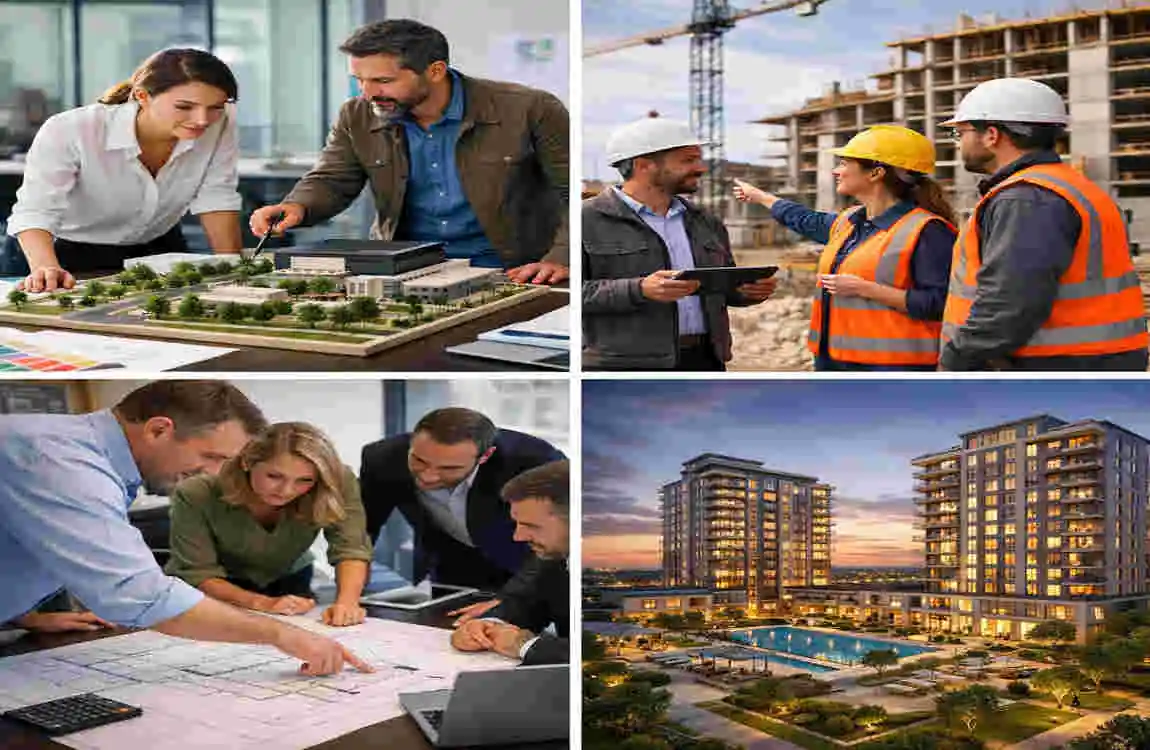
Learn the Real Estate Development Process
Before you can become a developer, you need to understand the full process. A developer usually handles several stages at once.
These stages often include:
- Property research and market analysis
- Site selection and acquisition
- Feasibility studies
- Financing and budgeting
- Planning, design, and permitting
- Construction management
- Marketing and sales
- Property management or project exit
Each step matters. If one part goes wrong, the whole project can suffer. That is why developers need both vision and discipline.
Develop Core Real Estate Knowledge
You also need a solid base of real estate knowledge. This helps you make better decisions and avoid costly mistakes.
Focus on learning:
- Property valuation
- Zoning and land-use rules
- Construction basics
- Real estate finance
- Market demand and property trends
These topics may sound technical at first, but they become easier when you study them in small steps. The more you learn, the more confident you will feel when evaluating deals.
Build a Strong Professional Foundation
A good developer is not only a dealmaker. They also need strong communication, organization, and negotiation skills.
You should understand:
- Contracts
- Budgets
- Timelines
- Risk
- Team coordination
Real estate development is a team effort. You will work with brokers, contractors, lenders, lawyers, architects, and planners. Clear communication helps everything move forward smoothly.
Gain Real-World Experience Through Entry-Level Opportunities
Work for a Real Estate Development Company
One of the best ways to learn is by working for an established developer. This gives you direct exposure to how projects are planned and managed.
You may start in roles like:
- Development assistant
- Analyst
- Acquisitions assistant
- Project coordinator
- Construction coordinator
These jobs help you see how deals are evaluated, how budgets are reviewed, and how projects move from concept to completion.
Start in Related Real Estate Careers
If you cannot join a development company right away, you can still build useful experience in related fields.
Good starting points include:
- Real estate brokerage
- Property management
- Construction
- Architecture
- Urban planning
- Real estate investment
- Commercial lending
Each of these careers teaches something different. For example, brokerage helps you understand the market, while construction teaches you how buildings actually get built.
Find Mentors and Industry Professionals
A mentor can save you years of trial and error. Experienced developers can show you how they think, what they look for, and what mistakes to avoid.
You can find mentors by attending real estate events, joining professional groups, or simply building genuine relationships over time.
Do not rush this part. Good networking is about trust, not just collecting contacts.
Learn How to Evaluate and Develop a Property
Practice Market Research
Strong developers know their market well. They understand who needs space, what type of property is in demand, and where growth is happening.
Study local housing and commercial trends. Look at comparable properties. Watch for underserved areas that may offer development opportunities.
Also pay attention to:
- Population growth
- Employment trends
- Infrastructure changes
- Zoning updates
These factors help you understand whether a project makes sense.
Understand Property Feasibility
A property may look promising, but it still has to work financially. That is why feasibility analysis is so important.
Developers usually think about:
- Purchase price
- Construction costs
- Financing costs
- Development fees
- Expected rental or sales income
- Taxes and insurance
- Contingency costs
- Potential profit
If the numbers do not work, the project is not a good deal. This is one of the most important lessons in development.
Create Sample Development Projects
If you are still learning, create your own sample projects. These do not have to be real deals.
Pick a property and build a simple analysis around it. Estimate the land cost, construction cost, financing, and possible sale value or rental income.
This practice helps you:
- Learn how deals are structured
- Improve your analysis skills
- Build a small portfolio
- Show others that you understand development basics
Even hypothetical projects can help you grow faster.
Build Experience Through Small Real Estate Projects
Start With Manageable Opportunities
You do not need to begin with a large apartment building or commercial tower. In fact, starting too big can be risky.
Instead, look for smaller projects such as simple renovations, residential redevelopment, or small joint ventures. These projects let you learn the process without taking on too much pressure.
The goal is to learn first, then scale up later.
Partner With Experienced Investors
Joint ventures can be a great learning tool. They allow you to work with someone who already understands the process while you gain hands-on exposure.
Before joining any partnership, make sure responsibilities are clear. You should define:
- Who provides the money
- Who manages the project
- Who owns what share
- How profits are split
- How the exit will work
A clear agreement protects everyone involved.
Gain Construction and Project Management Experience
Development is closely tied to construction. If you understand how contractors work, you will make better decisions.
Try to learn about:
- Schedules
- Budgets
- Permits
- Inspections
- Materials
- Subcontractors
You also need to learn how to handle delays and unexpected costs. These problems occur often, so strong project management skills are highly valuable.
Develop the Financial and Business Skills Needed for Real Estate Development
Learn Real Estate Development Finance
Finance is at the heart of development. If you do not understand the money side, you cannot judge whether a project is truly good.
You should learn the basics of:
- Equity
- Debt
- Construction loans
- Private investment
Also study important metrics like:
- Return on investment
- Cash flow
- Profit margin
- Total development cost
These numbers help you compare projects and make better decisions.
Learn to Build a Development Budget
A strong budget helps you stay realistic from the start. It also gives lenders and investors more confidence in your plan.
Development Cost: What It Covers
Land Acquisition Cost of purchasing the property
Construction Labor, materials, and contractor expenses
Professional Fees Architects, engineers, consultants, and legal services
Financing Interest and loan-related expenses
Permits Planning and approval costs
Marketing Advertising and property sales expenses
Contingency Reserve for unexpected costs
A budget should never be based on guesswork. Always leave room for surprises.
Improve Negotiation and Deal-Making Skills
Developers negotiate all the time. They speak with sellers, lenders, contractors, investors, and city officials.
Good negotiation skills help you protect your interests while keeping the project moving forward. Just as important, you must do proper due diligence before you commit to any deal.
That means checking the facts, reviewing the numbers, and understanding the risks.
Create a Real Estate Development Career and Portfolio
Build a Professional Network
Your network is one of your biggest assets in development. You will need people who can guide, support, and work with you.
Try connecting with:
- Brokers
- Lenders
- Architects
- Contractors
- Attorneys
- Planners
- Investors
Stay in touch with people over time. Strong professional relationships often lead to future opportunities.
Create a Development Portfolio
A portfolio shows what you know. It can help when you apply for jobs, seek partners, or pitch projects.
Your portfolio can include:
- Property analysis examples
- Market research
- Feasibility studies
- Development budgets
- Renovation or construction projects
- Before-and-after project information
- Lessons learned
Keep it simple, organized, and easy to review.
Consider Education and Certifications
Education can help, especially if you are starting from scratch. Useful fields include:
- Real estate
- Finance
- Construction
- Business
- Urban planning
Formal education is helpful, but it is not the only path. Many successful developers also learn through work experience and real projects.
Choose the path that best fits your goals.
Know When You Are Ready for Larger Projects
You may be ready to take on bigger deals when you have:
- A strong understanding of development basics
- A reliable professional network
- Deal analysis skills
- Financing knowledge
- Budget and timeline experience
- Access to capital and expert advice
Readiness comes from repetition. The more you learn and practice, the more prepared you become.
Common Mistakes When Building Real Estate Development Experience
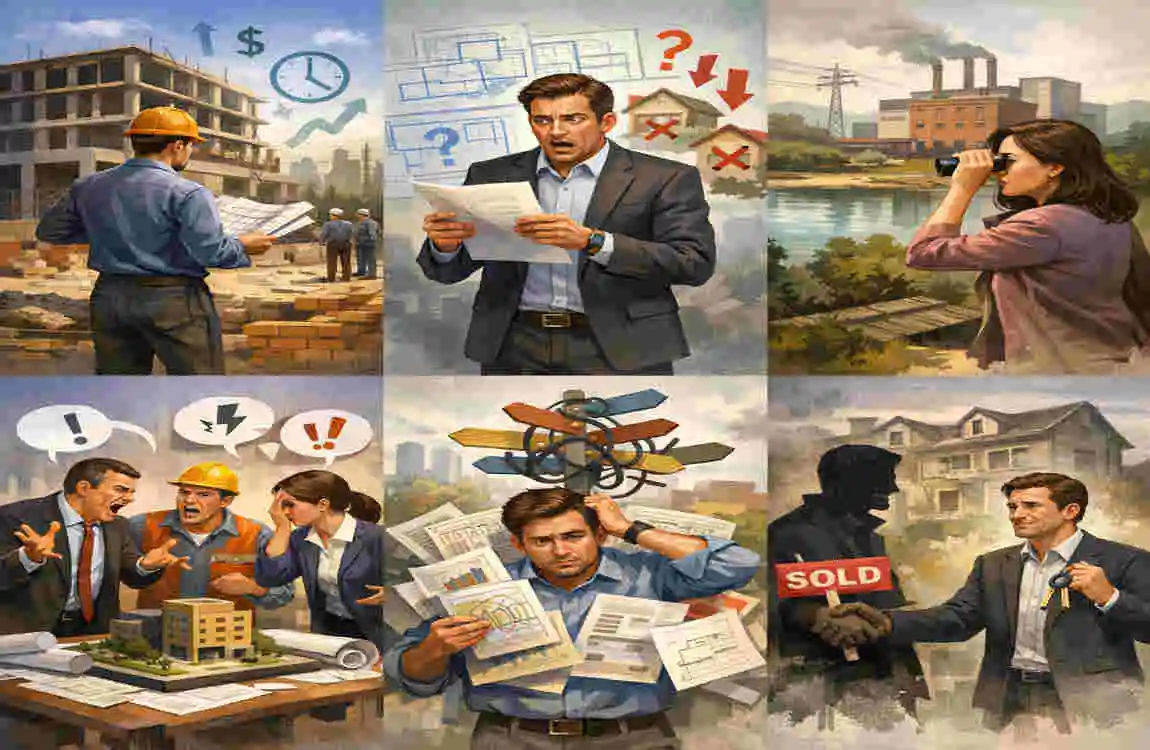
Trying to Start Too Big
Big projects can create big losses if you are not ready. They also come with more pressure, more moving parts, and more financial risk.
Start small and build up slowly.
Ignoring Due Diligence
Never skip the basics. Check zoning, title issues, environmental concerns, property condition, market demand, and development restrictions.
A deal that looks good on the surface can still fail if the details are wrong.
Underestimating Costs
Many new developers forget about extra expenses. Construction overruns, delays, and legal costs can quickly reduce profit.
Always plan with realistic numbers and a healthy contingency.
Focusing Only on Property Prices
A low purchase price does not guarantee a good deal. You also need to consider construction, financing, timing, and exit strategy.
The full picture matters much more than the land price alone.
Failing to Build Professional Relationships
Development depends on people. If you do not build trust with the right professionals, your path will be much harder.
Keep learning, stay respectful, and maintain relationships over time.
FAQ: Building Real Estate Development Experience
How can I get real estate development experience with no experience?
Start with entry-level roles in development, construction, brokerage, property management, or investment. Mentorship and small projects can also help.
How long does it take to become a real estate developer?
There is no fixed timeline. It depends on your background, education, network, finances, and the size of the projects you want to do.
Do you need a degree to become a real estate developer?
Not always. A degree can help, but practical experience is also very important.
What experience is best for becoming a real estate developer?
Experience in real estate investment, construction, finance, property management, architecture, or planning is very useful.
Can I become a real estate developer without construction experience?
Yes. You can work with contractors, architects, and engineers. Still, basic construction knowledge will help you make better decisions.
How do I build a real estate development portfolio?
Add property analyses, feasibility studies, market research, budgets, renovation projects, and lessons learned from real work.
Is real estate development a good career?
Yes, it can be rewarding and profitable. But it also comes with real risk, so experience and careful planning matter.
| Experience-Building Step | What to Do | Benefit |
|---|---|---|
| Learn Real Estate Basics | Study property markets, financing, zoning, and development | Builds foundational knowledge |
| Work With Developers | Join a real estate development or construction company | Provides practical experience |
| Start Small | Take on renovations or small property projects | Builds hands-on skills |
| Learn Project Management | Understand budgets, schedules, contractors, and permits | Improves development skills |
| Build a Professional Network | Connect with architects, contractors, lenders, and agents | Creates valuable industry relationships |
| Study Local Markets | Research property values, demand, and development opportunities | Helps identify profitable projects |
| Analyze Deals | Practice calculating costs, returns, and potential risks | Develops investment judgment |
| Document Your Projects | Keep records of completed work, budgets, and results | Creates a strong development portfolio |
| Gain Financing Knowledge | Learn about loans, investors, equity, and development funding | Makes future projects easier to finance |
| Take on Larger Projects | Gradually move from small renovations to bigger developments | Builds credible real estate development experience |
