
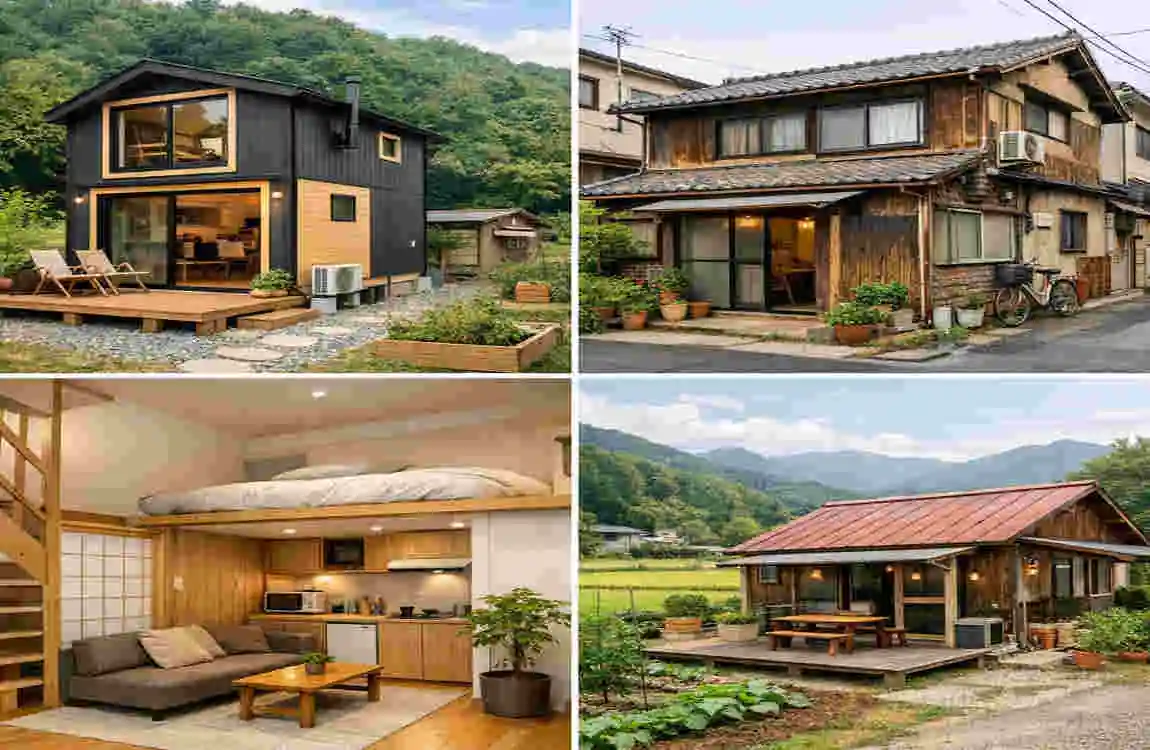
Interest in Japanese real estate at home has grown significantly in recent years. Many buyers, investors, and Japan fans want to understand what affordable property options actually exist in the country.
Japan has a wide mix of homes. You can find small city apartments, traditional wooden houses, countryside homes, and even vacant properties at low prices. That range is one of the reasons people keep looking at Japanese property.
Still, affordability is not only about the asking price. It also depends on location, property condition, age, size, renovation needs, and access to services. A property may look cheap at first, but it can become expensive once repairs and ongoing costs are added.
Affordable Japan Real Estate Options
Small Apartments in Japanese Cities
Small apartments can be a smart entry point for buyers who want lower upfront costs. In many Japanese cities, compact homes are common and practical.
These apartments often have efficient layouts, good train access, and nearby shops, schools, and services. That makes daily life easier, especially if you value convenience over space.
They are also easier to maintain. If you are new to buying property in Japan, a smaller apartment can be a simpler and less stressful choice.
Traditional Japanese Houses
Traditional houses have a special appeal. Many buyers like their wooden structure, tatami rooms, sliding doors, and classic Japanese feel.
Some older homes are cheaper than newer construction because they need more maintenance or renovation. That can be good for buyers who want value and do not mind a project.
If you like charm and character, a traditional house can be one of the most attractive forms of Japanese real estate.
Rural and Countryside Properties
Rural homes can offer more space for less money. In some areas, you may find larger homes, land, and peaceful surroundings at prices that are much lower than in major cities.
This can be ideal if you want a quieter lifestyle or more room. But rural property also comes with challenges. Transportation may be limited, and some homes need major updates.
So, while the purchase price may be low, you should always check the total cost carefully.
Vacant Houses and Akiya Properties
Akiya properties are vacant homes that have been left empty. They are a major part of the affordable property conversation in Japan.
Some akiya homes are listed at very low prices because they may need repairs, have ownership issues, or be located in less convenient areas. In some cases, the low price reflects the work required rather than true market value.
Before buying one, you should look at:
- Renovation cost
- Ownership history
- Local rules
- Accessibility
- Long-term use
Akiya homes can be a great deal, but only if you understand what you are getting into.
Best Locations for Affordable Property in Japan
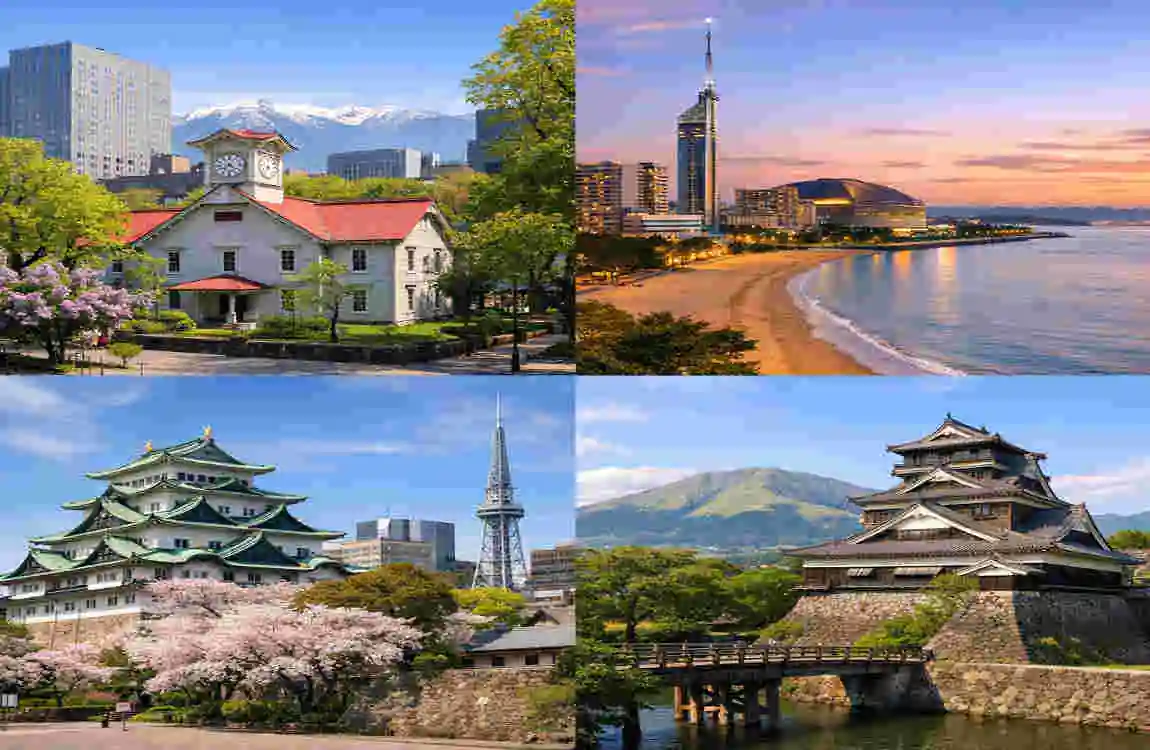
Regional Cities
Regional cities often give you a good balance between price and convenience. You may not pay as much as you would in Tokyo, but you still get access to jobs, schools, hospitals, transport, and shopping.
For many buyers, this is one of the best ways to find affordable homes in Japan without sacrificing too much daily comfort.
Suburban Areas
Suburbs can be a smart middle ground. They often cost less than central city neighborhoods while still offering decent access to urban life.
You may get more space, better family living, and a calmer environment. That is why many buyers look to suburban areas for value and comfort in one place.
Rural Prefectures
Rural prefectures can offer the lowest prices, especially for buyers seeking a larger property or more land. Some areas also have beautiful scenery and a slower pace of life.
But it is important to check the practical side. Ask about transportation, winter weather, local shops, schools, internet access, and emergency services. These small details can make a big difference later.
Tokyo and Osaka Alternatives
If your budget is limited, you may want to look beyond central Tokyo and Osaka. These cities are famous, but they are also expensive.
Nearby towns and regional cities can offer better value. You still get access to major urban areas, but at a lower cost. For many buyers, that trade-off makes more sense.
What Makes Japan Real Estate Affordable?
Property Age and Condition
Older homes are often cheaper than new ones. That is because age usually brings more wear, and buyers expect some repair work.
You should check the roof, walls, plumbing, electrical systems, insulation, and foundation. These are the parts that can turn a low-priced property into a costly project.
Location and Accessibility
Property prices usually rise when the home is close to a train station, city center, airport, or major work area. The farther a home is from these places, the cheaper it may become.
That is why some affordable properties are priced low: they are less convenient.
Property Size
Smaller homes usually cost less to buy and maintain. They also cost less to heat, cool, clean, and repair.
For first-time buyers or investors, this can be a useful way to reduce risk. A smaller property often gives you a more manageable starting point.
Renovation Requirements
A cheap home is not always a cheap investment. Renovation can quickly change the picture.
You should always estimate the full cost of:
- Repairs
- Furnishing
- Taxes
- Insurance
- Utilities
- Ongoing maintenance
This gives you a much clearer view of the real cost of ownership.
Buying Japan Real Estate at Home: Important Costs
Cost What to Consider
Property Price Depends on location, age, size, and condition
Taxes Property-related taxes may apply after purchase
Agent Fees Real estate transactions can involve brokerage costs
Legal Costs Registration and professional services may add expenses
Renovation Older homes may require substantial repairs
Maintenance Budget for ongoing repairs and upkeep
Insurance Coverage depends on the property and risks
Utilities Costs vary according to property size and usage
The key point is simple: do not look only at the purchase price. Always think about the total cost of ownership.
A property that looks affordable on paper may become expensive once you include repairs, legal fees, and daily running costs.
How to Find Affordable Property in Japan
Research the Local Market
Take time to compare property prices across different regions. A home that seems expensive in one area may actually be a good deal in another.
Look at recent sales, rental demand, and local development plans. These details help you understand whether the price is fair.
Compare New and Older Properties
New homes usually cost more, but they may need less work. Older homes are often cheaper, but they can require repairs or updates.
The best choice depends on your budget and your goals. If you want move-in readiness, a newer home may be better. If you want value, an older property may be worth considering.
Inspect the Property Carefully
This step matters a lot, especially with older Japanese houses. You should check for moisture, roof damage, foundation issues, plumbing problems, electrical concerns, and earthquake-related wear.
A professional inspection can help you avoid surprises. That is especially important when the property looks cheap but may hide serious issues.
Calculate Renovation Costs
Never guess renovation costs. Try to get realistic estimates before you buy.
If you only focus on the low purchase price, you may end up spending much more than expected. A clear repair estimate helps you make a better decision.
Understand Local Rules
Local rules can affect what you can do with a property. Some places have zoning limits, rebuilding rules, or land-use restrictions.
This matters because a cheap home is only useful if you can actually use it the way you want.
Tips for Getting Better Value From Japan Real Estate at Home
Here are a few simple ways to improve your chances of finding a strong deal:
- Look beyond major city centers
- Compare purchase price with renovation and maintenance costs
- Research the neighborhood and transportation
- Check the legal and structural condition
- Work with qualified local professionals
These steps can save you time, money, and stress.
Advantages and Challenges of Affordable Japanese Property
Advantages
Affordable Japanese property can offer several benefits. You may enjoy lower purchase prices, more space, unique architecture, and lifestyle flexibility.
In some areas, you may also find rental opportunities or properties with strong personal value, especially if you love Japanese design and living.
Challenges
There are also real challenges. These may include renovation costs, language barriers, aging infrastructure, limited transport, and different legal rules.
If you are buying from outside Japan, the process can feel even more complex. That is why planning matters so much.
Is Japan Real Estate at Home a Good Investment?
The answer depends on the property and your goals. Affordable property can be a good investment, but low price alone does not guarantee success.
You should think about:
- Location
- Rental demand
- Property condition
- Renovation cost
- Resale potential
- Long-term maintenance
A property for personal use may be chosen for comfort and lifestyle. An investment property should be judged more by its income potential and market demand.
Both can work well, but the strategies differ.
Affordable Property Ideas for Different Buyers
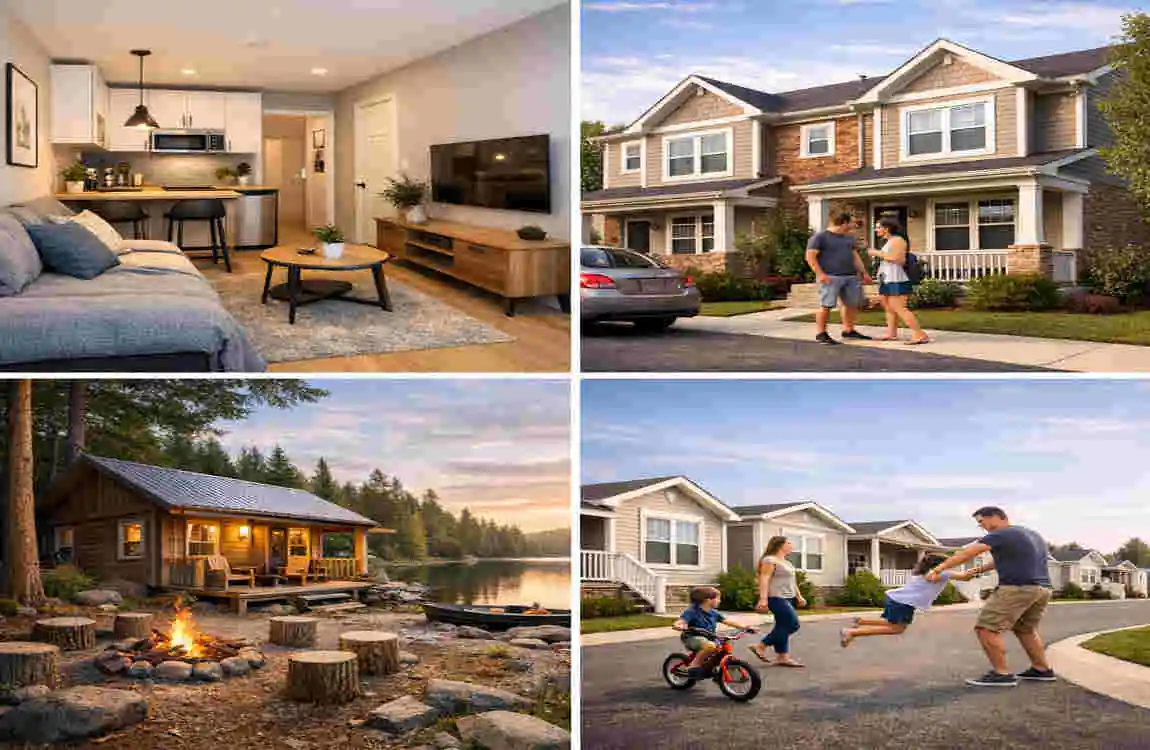
For First-Time Buyers
If you are buying for the first time, look for manageable options. Small apartments, suburban homes, and properties needing only light renovation may be the safest choices.
These options are easier to understand and less risky to maintain.
For Families
Families often need more space and access to schools, parks, and transportation. That is why suburban homes and regional-city properties are often a good fit.
They usually offer better value than central-city homes while still supporting family life.
For Investors
Investors should focus on rental demand, location, running costs, and realistic income. A very cheap home is not useful if tenants do not want to live there.
This is why market research is so important.
For Buyers Seeking a Japanese Lifestyle
If your goal is lifestyle rather than profit, you may enjoy traditional houses, countryside homes, or smaller properties in regional towns.
These homes can offer a more authentic Japanese living experience. Just make sure the area still meets your daily needs.
Frequently Asked Questions
Is real estate in Japan affordable for budget-conscious buyers?
Yes, affordable properties do exist, especially outside major cities. But you should always include taxes, fees, renovation, and maintenance in your budget.
What is an akiya house in Japan?
An akiya is a vacant or abandoned house. Some are very cheap because they need repairs or are in less convenient locations.
Can foreigners buy real estate in Japan?
In general, yes. Foreigners can buy property in Japan, but they still need to understand taxes, legal steps, and financing rules.
Is real estate in rural Japan cheaper than in cities?
Usually, yes. Rural homes are often cheaper, but prices vary by region, condition, and accessibility.
What should I check before buying an old Japanese house?
Check the structure, land records, utilities, renovation needs, local rules, and any rebuilding restrictions.
Is buying a cheap Japanese house a good investment?
It can be, but only if the location, condition, and renovation costs make sense. Price alone is not enough.
What are the best affordable property ideas in Japan?
Good options include regional-city apartments, suburban homes, traditional houses, and selected rural or vacant properties.
| Affordable Property Idea | Best For | Key Benefit |
|---|---|---|
| Older Homes (Akiya) | Budget buyers | Lower purchase prices and renovation potential |
| Rural Houses | Buyers seeking space | More land and affordable properties |
| Small Apartments | Singles or investors | Lower upfront and maintenance costs |
| Suburban Properties | Families | Better value than major city centers |
| Renovation Properties | DIY investors | Opportunity to add value through improvements |
| Regional City Homes | Long-term buyers | Affordable alternatives to Tokyo and Osaka |
| Traditional Japanese Homes | Lifestyle buyers | Unique architecture and cultural appeal |
| Investment Properties | Rental investors | Potential rental income in selected locations |
