
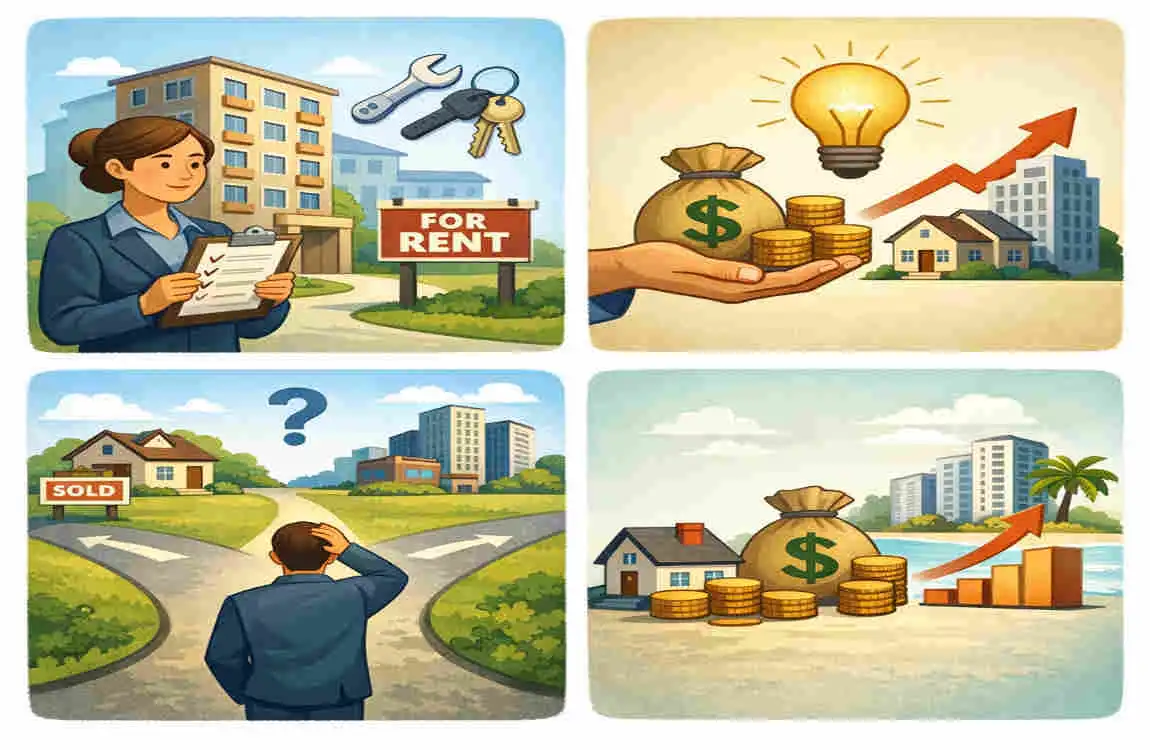
Property management to real estate investments is the connection between owning a rental property and making it work as a profitable asset. In simple words, investing gets you the property, and management helps that property earn money and stay in good shape.
This matters because a rental home is not just something you buy and wait on. It needs care, tenants, repairs, rent collection, and planning. If you manage it well, your investment has a much better chance of growing over time.
Understanding Property Management in Real Estate

What Is Property Management?
Property management means taking care of a rental property on a day-to-day basis. It includes handling tenant issues, collecting rent, organizing repairs, scheduling inspections, and maintaining records.
If you own a rental property, these tasks help keep the property running smoothly. Good management helps the home stay occupied, safe, and profitable.
How Property Management Supports Real Estate Investors
Strong management protects your property and your income. When a tenant pays on time, damage is handled early, and vacancies stay low, your investment stays healthier.
It also saves time. Instead of handling every small issue yourself, you can rely on systems or a professional manager to handle the daily work.
Property Management vs. Real Estate Investing
Real estate investing is about buying assets and building wealth. Property management is about operating those assets well.
The two work together. For example, you might buy a duplex as an investment, then manage it yourself or hire someone to handle the tenants and maintenance.
How to Move From Property Management to Real Estate Investments
Start With Your Investment Goals
Before buying, ask yourself what you want. Do you want monthly income, long-term growth, or both?
This helps you choose the right property and avoid emotional decisions. You should also consider your comfort with risk, since some properties require more money and attention than others.
Choose the Right Investment Property
A good property depends on location, price, rental demand, and condition. You should also look at the neighborhood, schools, jobs, transportation, and nearby amenities.
These details matter because they affect how easy it is to find tenants and keep the property occupied.
Understand Property Cash Flow
Cash flow is the money left after paying expenses. Rental income is only part of the picture.
You also need to count:
- Mortgage payments
- Insurance
- Taxes
- Repairs
- Utilities
- Vacancy periods
- Management fees
If income exceeds expenses, the property may generate positive cash flow. That is usually the goal for long-term investing.
Build a Property Management System
A simple system can make ownership much easier. You can set up ways to collect rent, track repairs, communicate with tenants, and store records.
Many owners also use property management software to stay organized. If the workload grows too much, hiring a professional manager may make sense.
Benefits of Combining Property Management With Real Estate Investing
Saves Time and Reduces Daily Work
Property management takes care of the routine tasks that can eat up your day. This is especially helpful if you own more than one property.
Instead of handling every phone call yourself, you can focus on the bigger investment picture.
Helps Protect Property Value
Regular inspections and preventive maintenance can prevent small problems from becoming expensive ones. A leaking pipe or loose roof tile is easier to fix early than after major damage has happened.
Improves Tenant Management
Good management helps you screen tenants, communicate clearly, and reduce turnover. That means fewer vacancies and fewer headaches.
It also helps you stay consistent with rental rules and lease terms, which is important for both safety and legal reasons.
Supports Portfolio Growth
When a property runs smoothly, you have more time and money to look for your next deal. That is how many investors grow from one rental to several.
Strong systems matter more as the portfolio grows. Without them, the workload can quickly become overwhelming.
Costs, Risks, and Challenges to Consider
Property Management Fees
Property managers usually charge a monthly fee, plus possible leasing fees or repair coordination fees. Some charge extra for special services.
Do not choose based only on price. Compare what each company actually does for the fee.
Vacancy and Rental Income Risks
A vacant property earns no rent, but the bills keep coming. That is why vacancy is one of the biggest risks in real estate.
Setting a competitive rent and keeping tenants happy can help reduce empty time between renters.
Maintenance and Unexpected Expenses
Every property needs a reserve fund. Repairs can happen at any time, and major systems can fail without warning.
Common costly items include:
- Roofs
- HVAC systems
- Plumbing
- Appliances
- Structural issues
Planning for these expenses helps protect your investment.
Tenant and Legal Risks
A written lease, clear rules, and good documentation help reduce disputes. You also need to understand local landlord-tenant laws.
When legal or tax issues get complicated, it is smart to ask a qualified professional for help.
Real Estate Investment Strategies for Property Owners

Buy-and-Hold Rental Properties
This is one of the most common strategies. You buy a property, rent it out, and keep it for long-term income and possible appreciation.
Property management plays a significant role here because the property requires ongoing care to remain profitable.
Multifamily Real Estate
Duplexes, triplexes, and apartment buildings can generate more income from a single location. But they can also create more tenant issues and more management work.
That makes good systems even more important.
Short-Term Rental Investments
Short-term rentals can earn strong returns, but they usually need more active management. Cleaning, guest communication, pricing, and scheduling all take time.
You should also check local rules before choosing this strategy.
Growing a Real Estate Portfolio
Many investors use profits from one property to help buy another. Over time, equity and income can support steady growth.
The key is to grow carefully. Taking on too much debt too quickly can create pressure.
Practical Tips for Successful Property Management and Investing
Focus on the Basics
Start with a clear budget, organized records, and careful tenant screening. These simple steps can prevent many problems later.
Use a Simple Routine
A basic routine helps you stay on track:
- Check rent collection
- Review maintenance needs
- Inspect the property regularly
- Track income and expenses
- Review whether the property still meets your goals
Know When to Get Help
You do not have to manage everything alone. If the property is far away, time-consuming, or growing too fast, professional help can be worth the cost.
Area What to Review
Property Condition, location, and value potential
Income Rent and any extra income
Expenses Mortgage, taxes, insurance, repairs, and fees
Tenants Screening, leases, and communication
Maintenance Regular care and emergency repairs
Cash Flow Income compared with total costs
Investment Goals Income, growth, or long-term equity
Management Self-managed or professionally managed
FAQs About Property Management to Real Estate Investments
Can property management help with real estate investing?
Yes. Good management can protect the property, reduce vacancies, and help keep income steady.
Is property management part of real estate investing?
It is not the same thing, but it is a major part of owning income property.
Should a beginner hire a property manager?
It depends on your time, experience, and location. Many beginners benefit from professional help.
How much does property management usually cost?
Costs vary based on location, property type, and services. Always review the full fee structure first.
Can property management increase real estate investment returns?
Yes, it can help by reducing vacancy, controlling expenses, and improving tenant retention.
| Aspect | Property Management | Real Estate Investment |
|---|---|---|
| Main Goal | Manage and maintain properties | Build wealth through property ownership |
| Daily Work | Handle tenants, repairs, rent, and maintenance | Analyze, buy, hold, sell, or develop properties |
| Income Source | Management fees | Rent, appreciation, and investment returns |
| Key Skills | Communication, organization, maintenance | Market research, finance, negotiation |
| Risk Level | Usually lower financial risk | Can involve higher financial risk |
| Best For | People who enjoy managing properties | People seeking long-term wealth growth |
| Connection | Helps keep investment properties profitable | Provides properties that need effective management |
