

Affordable real estate homes are a practical option for many buyers today. They give people a chance to own property without taking on too much financial stress. That matters because buying a home is not just about the price tag. It is also about monthly payments, repairs, taxes, insurance, and long-term comfort.
For first-time buyers, families, retirees, and investors, an affordable home can be a smart way to enter the market. The key is to look beyond the listing price and think about the full cost of ownership. When you do that, you make a better and safer decision.
What Are Affordable Homes in Real Estate?
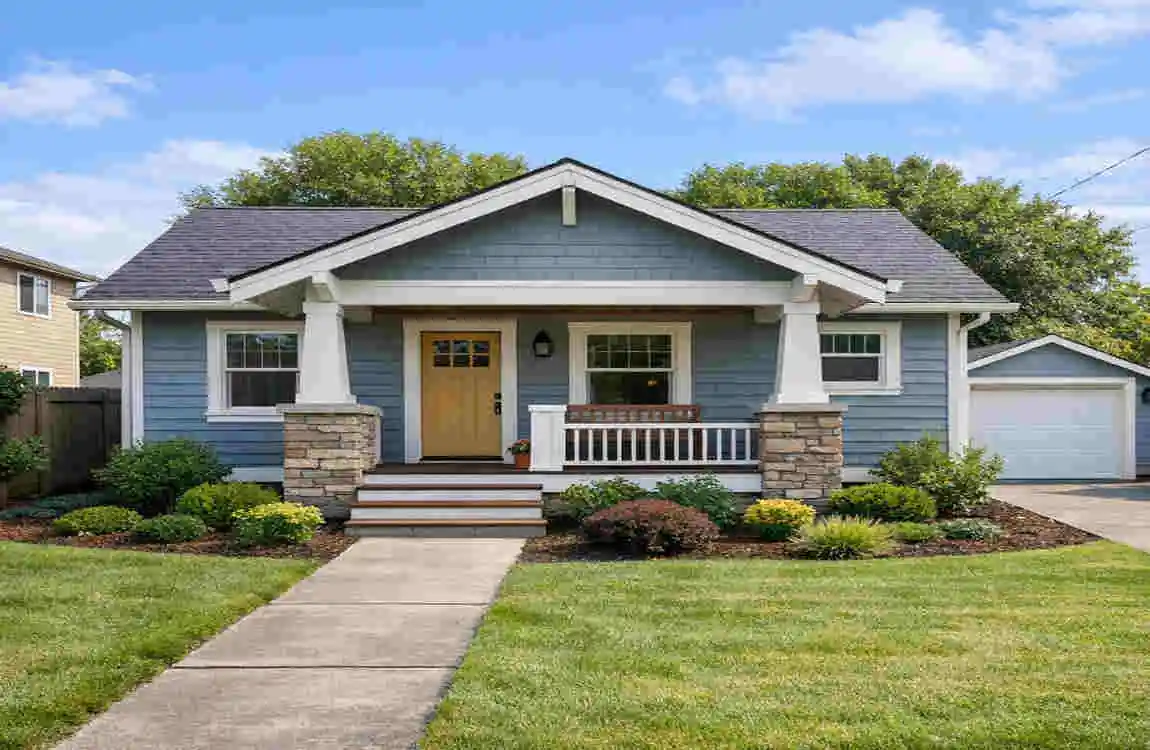
Understanding Affordable Housing
An affordable home is simply a home that fits a buyer’s budget. It should be realistic based on income, debt, savings, and ongoing living costs.
A home may look cheap at first, but it can still be expensive to maintain if taxes, insurance, repairs, or utilities are high. That is why affordability is about total cost, not just the sale price.
Types of Affordable Homes
Affordable homes come in many forms, such as:
- Starter homes
- Small single-family homes
- Condos and townhomes
- Fixer-uppers
- Manufactured or modular homes
- Homes in developing neighborhoods
Each type has pros and trade-offs. Some need repairs. Others are smaller but easier to manage. The best choice depends on your goals and budget.
Who Benefits Most?
Affordable homes can be a good fit for:
- First-time buyers
- Young families
- Retirees
- Budget-conscious buyers
- Real estate investors
If you want a manageable way to own property, this category deserves a close look.
Why Choose Real Estate Affordable Homes?
Lower Purchase Costs
A lower home price usually means a smaller mortgage. That can make monthly payments easier to handle and may also reduce financial pressure over time.
Easier Entry Into Homeownership
For many people, affordable homes make buying possible sooner. Instead of waiting years to save for a bigger house, you may be able to enter the market earlier and begin building equity.
Potential for Long-Term Equity
As you pay down your mortgage, you may build equity. If the home value rises over time, your ownership stake can grow even more. Still, appreciation is never guaranteed, so it is best not to rely on it alone.
More Flexible Financial Planning
A reasonably priced home can leave room in your budget for savings, repairs, and other goals. That flexibility is valuable because homeownership should support your life, not strain it.
How to Find Affordable Homes in Your Market
Set a Realistic Budget
Start with your income, debts, savings, and expected monthly costs. Do not focus only on the asking price.
A home may seem affordable until you add taxes, insurance, maintenance, and closing costs. A full budget gives you a clearer picture.
Search Different Areas
Sometimes the best value is not in the most popular neighborhood. You may find better deals in nearby suburbs, smaller towns, or developing areas.
Compare prices with commute time, schools, shopping, and local services. A lower price is helpful, but the location still matters.
Work With a Real Estate Professional
A good agent can help you find homes that fit your budget and your needs. They understand the local market and may spot value that you could miss on your own.
Look Beyond the Listing Price
A cheap house is not always an affordable house. Always consider:
- Property taxes
- Homeowners insurance
- HOA fees
- Utilities
- Maintenance
- Closing costs
These ongoing expenses can quickly change the real cost of ownership.
What to Check Before Buying an Affordable Home
Property Condition
Look closely at the roof, foundation, plumbing, electrical system, HVAC, windows, and appliances. A home inspection can help reveal hidden problems before you buy.
This step matters because repairs can quickly erase any savings from a low purchase price.
Location and Neighborhood
Check safety, schools, transportation, jobs, and nearby stores. Also think about future development in the area.
A strong location can help protect resale value later.
Hidden Ownership Costs
Some homes look affordable until the bills start coming in. Watch for:
- Repairs
- Taxes
- Insurance
- Utility costs
- HOA fees
- Renovation needs
Financing Options
Compare mortgage programs, interest rates, down payment requirements, and loan terms. The right financing can make a big difference in what you can truly afford.
Tips for Buying Affordable Homes Without Overspending
Stay Focused on the Budget
Get pre-approved before you shop. That way, you know your price range and avoid falling in love with a home that stretches you too thin.
Compare Several Properties
Do not buy the first home you see. Comparing different properties helps you understand value and avoid overpaying.
Keep an Emergency Fund
Even affordable homes need repairs. A repair fund gives you peace of mind when something unexpected happens.
Think About the Total Cost
The best affordable home is not just the cheapest one. It is the one that fits your life, your income, and your plans.
Affordable Homes as a Long-Term Real Estate Strategy

Building Home Equity
Over time, your mortgage payments can help you build equity. That is one reason many people view homeownership as a long-term financial step.
Renovating for Added Value
Small improvements can make a big difference. Focus on practical updates like:
- Kitchen improvements
- Bathroom upgrades
- Energy-efficient changes
- Curb appeal
- Necessary repairs
Just be careful not to spend more than the local market can support.
Resale Potential
If you may sell later, think about future buyers too. Location, floor plan, condition, and neighborhood growth all affect resale demand.
Affordable Homes for Investors
Lower-priced homes can attract investors because the entry cost is smaller. But affordability alone does not make a property a good investment. You still need to look at rental demand, repairs, maintenance, and potential returns.
Common Mistakes to Avoid
- Choosing only the lowest price
- Skipping the inspection
- Ignoring major repairs
- Underestimating closing costs
- Buying in a weak market
- Stretching the mortgage too far
- Failing to compare loan options
- Assuming every affordable home will rise in value
Avoiding these mistakes can save you stress and money.
Frequently Asked Questions
What are affordable homes in real estate?
They are homes that fit a buyer’s budget after considering mortgage payments, taxes, insurance, maintenance, and other housing costs.
Are affordable homes a good investment?
They can be, especially in strong markets, but no investment is guaranteed.
How can I find affordable homes near me?
Check local listings, compare neighborhoods, and work with a real estate professional who knows your market.
What should I check before buying one?
Look at the structure, roof, plumbing, electrical system, HVAC, taxes, insurance, and repair needs.
Are affordable homes good for first-time buyers?
Yes. They can be a practical, more manageable path to homeownership.
| Aspect | Affordable Homes: A Smart Real Estate Choice |
|---|---|
| Meaning | Homes priced within a buyer’s realistic budget |
| Main Benefit | Lower purchase and monthly housing costs |
| Best For | First-time buyers, families, and budget-conscious investors |
| Investment Potential | Can provide long-term value and rental opportunities |
| Key Consideration | Check location, condition, taxes, and future resale value |
| Smart Tip | Compare total costs, not just the listing price |
| Bottom Line | Affordable homes can be a practical path to homeownership and financial stability |
