
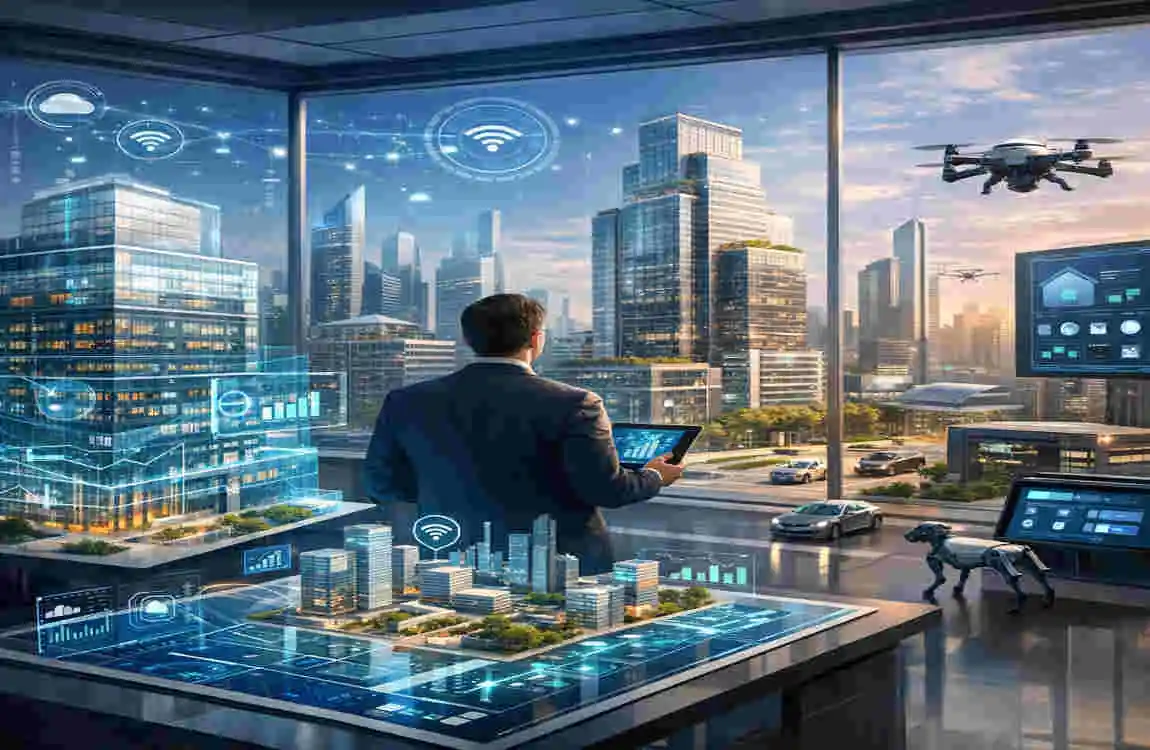
Commercial real estate technology is changing how property is bought, leased, managed, and improved. It brings together software, data, automation, artificial intelligence, and smart-building systems to help the industry work faster and smarter.
This shift matters to property owners, investors, developers, brokers, and tenants. Everyone wants better efficiency, lower costs, stronger decision-making, and a smoother property experience. Technology helps make that possible.
What Is Commercial Real Estate Technology?
A Simple Definition
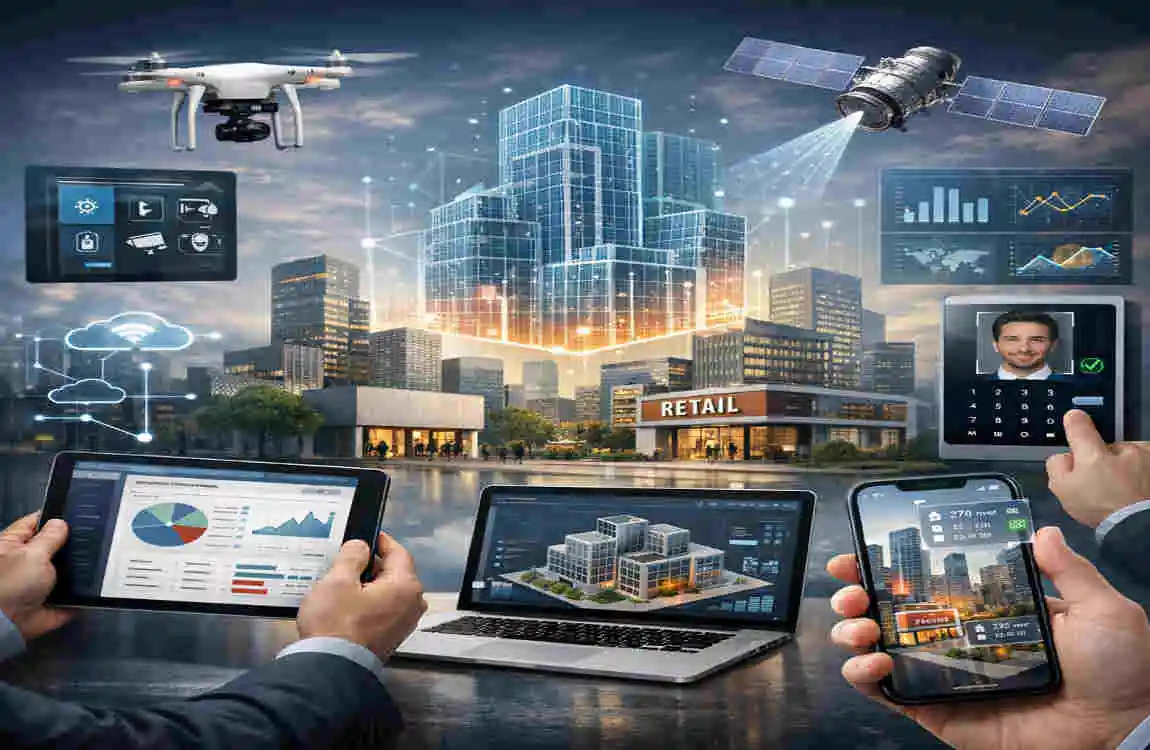
Commercial real estate technology refers to the use of digital tools to support commercial properties. These tools help with tasks like leasing, maintenance, reporting, communication, and building operations.
Instead of relying only on paper files, phone calls, and manual tracking, businesses now use platforms that store information in one place. That makes work easier and faster.
Traditional vs. Technology-Driven Property Management
Traditional property management often depends on manual work. Staff may track rent, repairs, and tenant communication separately. That can take time and create mistakes.
Technology-driven management is more organized. It keeps property data in one system and helps teams respond more quickly. It also makes it easier to see what is happening across an entire building or portfolio.
Key Areas of Commercial Real Estate Technology
Some of the main tools include:
- Property management software
- Artificial intelligence
- Big data and analytics
- Smart-building technology
- Virtual and augmented reality
- Internet of Things (IoT)
- Cloud-based platforms
- Digital leasing and transaction tools
- Building automation systems
Each one supports a different part of the property lifecycle.
How Technology Is Changing Commercial Real Estate
Faster Property Management
Technology helps property managers handle daily work with less effort. Rent collection, inspection tracking, and maintenance requests can all be managed through one platform.
This saves time and reduces confusion. It also makes communication clearer for owners, tenants, and service teams.
Better Investment Decisions
Investors can now use real-time data to study occupancy, rental trends, and financial performance. That helps them evaluate properties more accurately.
Instead of guessing, they can look at numbers and patterns. This can lead to better planning and stronger investment choices.
Improved Tenant Experience
Tenants also benefit from technology. Many buildings now offer:
- Mobile tenant apps
- Smart access systems
- Digital maintenance requests
- Automated building services
- Personalized communication
These features make daily use easier and more convenient.
Lower Operating Costs
Technology can reduce waste and improve building performance. For example, energy monitoring helps control electricity use, while automated HVAC systems can reduce unnecessary heating or cooling.
Predictive maintenance can also help identify problems early, before they become expensive repairs.
Top Commercial Real Estate Technologies to Watch
Artificial Intelligence and Machine Learning
AI can study large amounts of property data much faster than a person can. It helps with pricing, demand forecasting, maintenance planning, and even investment analysis.
AI chatbots and virtual assistants can also answer tenant questions and support customer service.
Internet of Things (IoT)
IoT uses connected sensors to collect information from buildings. These sensors can track temperature, occupancy, equipment condition, and security activity.
For property managers, that means better visibility and quicker responses.
Smart Building Technology
Smart buildings use technology to manage lighting, HVAC, security, and energy use. They can also track how spaces are being used.
This helps create buildings that are more efficient, more comfortable, and easier to manage.
Virtual Reality and 3D Property Tours
Virtual tours let buyers and tenants explore a property without visiting in person. That is helpful for busy clients, remote teams, and international investors.
3D models are also useful for unfinished projects because they help people understand the final design before construction ends.
Cloud-Based Real Estate Platforms
Cloud tools let teams access property information from different places. They support document sharing, reporting, tenant records, and team collaboration.
This makes it easier for companies to stay organized, especially when managing multiple properties.
Blockchain and Digital Transactions
Blockchain is a digital record system that can improve transparency and security. In commercial real estate, it may support contracts, property records, and transaction verification.
It is still developing, but many professionals are watching it closely.
Benefits of Commercial Real Estate Technology
Increased Efficiency
Technology reduces repetitive work. It helps teams automate routine tasks and spend more time on important decisions.
It also reduces paperwork and improves communication among everyone involved with the property.
Better Data and Reporting
Real-time dashboards and reports give a clearer view of operations. Managers can track occupancy, maintenance, finances, and market trends in one place.
That makes planning much easier.
Enhanced Security
Smart cameras, access control systems, and automated alerts can improve building safety. Remote monitoring also helps teams respond faster.
Improved Sustainability
Technology helps buildings use energy more wisely. That supports greener operations and can reduce waste.
This matters more each year as businesses focus on efficiency and environmental responsibility.
Better Tenant Retention
Tenants are more likely to stay when service is fast, communication is clear, and the building performs well. Technology supports all three.
Challenges of Adopting Real Estate Technology
High Initial Costs
Some systems require a large upfront investment. That can be a challenge, especially for smaller businesses.
Still, the long-term savings may make the cost worthwhile.
Data Security and Privacy
Commercial properties handle sensitive information. That includes tenant records, financial data, and building access details.
Strong cybersecurity and careful data management are essential.
Integration With Existing Systems
Older buildings may not be ready for newer technology. That can make installation harder.
It is important to choose tools that can work with current infrastructure whenever possible.
Employee Training
New systems only work well if staff know how to use them. Training helps employees feel confident and avoid mistakes.
Technology Changes Quickly
The market keeps evolving. Businesses should focus on tools that are useful, flexible, and easy to scale.
How AI Is Shaping the Future of Commercial Property
AI is becoming one of the most important parts of commercial real estate technology. It can help with property valuation, predictive maintenance, tenant communication, and market analysis.
It can also identify patterns that humans may miss. For example, AI may suggest when a building needs repair or where a strong investment opportunity may exist.
Still, human judgment remains important. AI gives useful insights, but people must interpret them carefully.
The Role of Data Analytics in Commercial Real Estate
Why Data Matters
Good decisions depend on good information. That is why data analytics is so valuable in commercial property.
It helps teams study:
- Rental prices
- Occupancy rates
- Tenant behavior
- Energy use
- Maintenance costs
- Market demand
Better Forecasting and Planning
When property teams understand trends, they can plan more confidently. They can adjust budgets, set rental strategies, and prepare for future demand.
Reliable data gives property owners a stronger base for action.
Commercial Real Estate Technology and Smart Cities
Commercial properties are becoming part of larger smart city systems. That means they may connect with transportation networks, energy systems, and digital public services.
Smart buildings can support more efficient urban growth. They can also respond better to real-world conditions like occupancy, weather, and energy demand.
This is one reason the future of property will likely be more connected and more responsive.
How Businesses Can Adopt New Real Estate Technology
Start With the Real Need
Before buying anything, identify the main problem. Is it maintenance delays, poor reporting, energy waste, or weak tenant communication?
Start with the issue that matters most.
Choose Practical Tools First
Good starting points often include:
- Property management platforms
- Digital communication systems
- Energy monitoring tools
- Automated maintenance systems
These are often easier to adopt and show value more quickly.
Evaluate ROI
Ask whether the technology will save time, reduce costs, or improve property performance. The best tools should support clear business goals.
Train Employees
People need simple training and clear procedures. That helps adoption feel easier and more natural.
Protect Data
Security should be part of the plan from the beginning. Use strong access controls and review cybersecurity practices often.
Future Trends in Commercial Real Estate Technology
AI-Powered Property Management
More day-to-day tasks will likely become automated. AI may help with scheduling, maintenance, and reporting.
More Connected Buildings
IoT systems will continue to grow. Buildings will become better at reacting to occupancy, comfort needs, and energy conditions.
Digital and Hybrid Workspaces
Offices are changing, and technology is helping them adapt. Smart booking systems and flexible space management will become more important.
Advanced Property Visualization
3D tours and digital models will continue to improve. They will help buyers and tenants better understand spaces.
Predictive Maintenance
Sensors will keep improving equipment monitoring. That means fewer surprises and fewer major breakdowns.
Sustainable Technology
Energy-saving tools, smart water systems, and building performance tracking will play a bigger role in the years ahead.
Why Commercial Real Estate Technology Matters for Investors
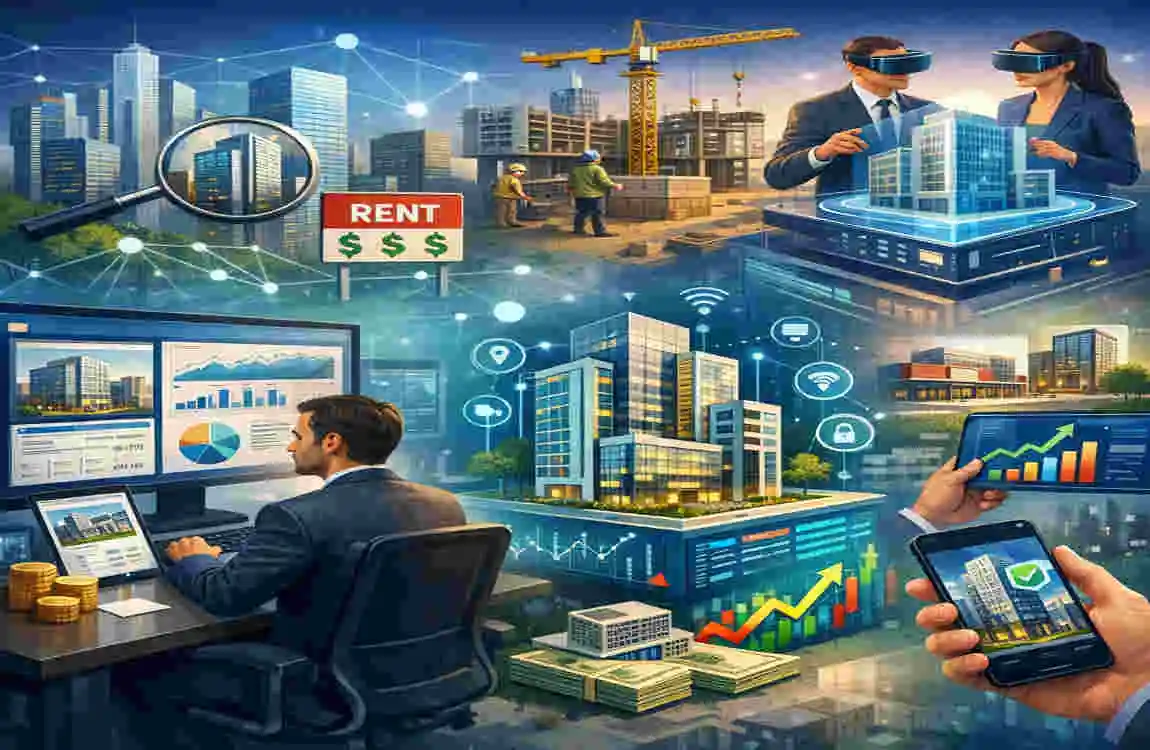
For investors, technology improves due diligence, valuation, portfolio tracking, and risk management. It gives a clearer picture of how a property performs and where value may grow.
It also helps investors compare opportunities faster. But technology should support professional analysis, not replace it.
Frequently Asked Questions
What is commercial real estate technology?
It is the use of digital tools and systems to manage, analyze, lease, buy, sell, and operate commercial properties more efficiently.
How is technology changing commercial real estate?
It is improving property management, tenant services, data analysis, building operations, and investment decisions.
What technology is most useful for commercial property management?
Property management software, IoT systems, smart building tools, and data analytics are especially useful.
How does AI help commercial real estate?
AI helps with forecasting, valuation support, tenant communication, maintenance planning, and market analysis.
Is commercial real estate technology expensive?
Costs vary, but some systems can reduce long-term operating expenses and improve efficiency.
Can technology improve commercial property value?
Yes. Improved efficiency, a stronger tenant experience, and better operations can make a property more attractive.
| Key Area | Information |
|---|---|
| What It Means | Commercial real estate technology uses digital tools to improve how properties are designed, managed, bought, and sold. |
| Key Technologies | AI, smart building systems, IoT sensors, virtual tours, cloud platforms, and data analytics. |
| Main Benefits | Reduces costs, improves efficiency, enhances tenant experiences, and supports better investment decisions. |
| Smart Buildings | Automated lighting, heating, security, and energy systems help create more efficient commercial spaces. |
| Future Trends | AI-powered property management, predictive maintenance, digital twins, and increasingly connected buildings. |
| Business Impact | Technology can help property owners increase value, improve operations, and stay competitive in a changing market. |
