
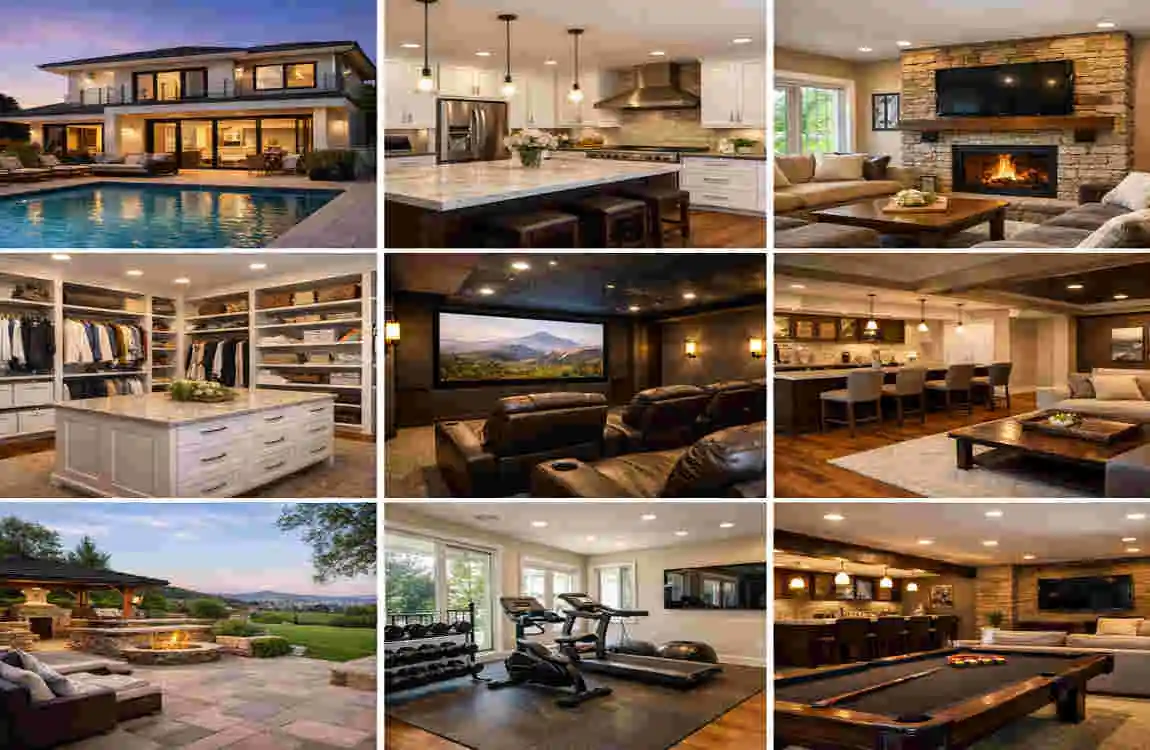
Buying a home is not just about finding a nice-looking property. It is about choosing a place that fits your daily life, your budget, and your plans. That is why real estate home features for sale matter so much.
Some features make a home more comfortable. Others can reduce maintenance, improve resale value, or make everyday living easier. As a buyer, you should look beyond paint colours and furniture staging. You need to check the features that truly affect how the home works.
What Home Features Matter When Buying a Property?
Why Features Affect Value and Comfort
Home features can change the way a property feels and performs. A home with a smart layout, good lighting, and strong systems often feels easier to live in. It may also cost less to maintain over time.
A home with weak features may look attractive at first, but later it can bring extra repair costs or daily frustration. That is why buyers should think about comfort, maintenance, resale value, and price together.
Must-Have, Nice-to-Have, and Luxury Features
Not every feature has the same importance. Some are essential. Others are only useful if they fit your lifestyle.
- Must-have features: bedrooms, bathrooms, safe structure, working plumbing, heating or cooling
- Nice-to-have features: extra storage, patio, modern kitchen finishes, smart lights
- Luxury features: pool, high-end appliances, solar setup, custom design details
When you compare homes, focus first on the features that support daily living.
Essential Real Estate Home Features for Sale
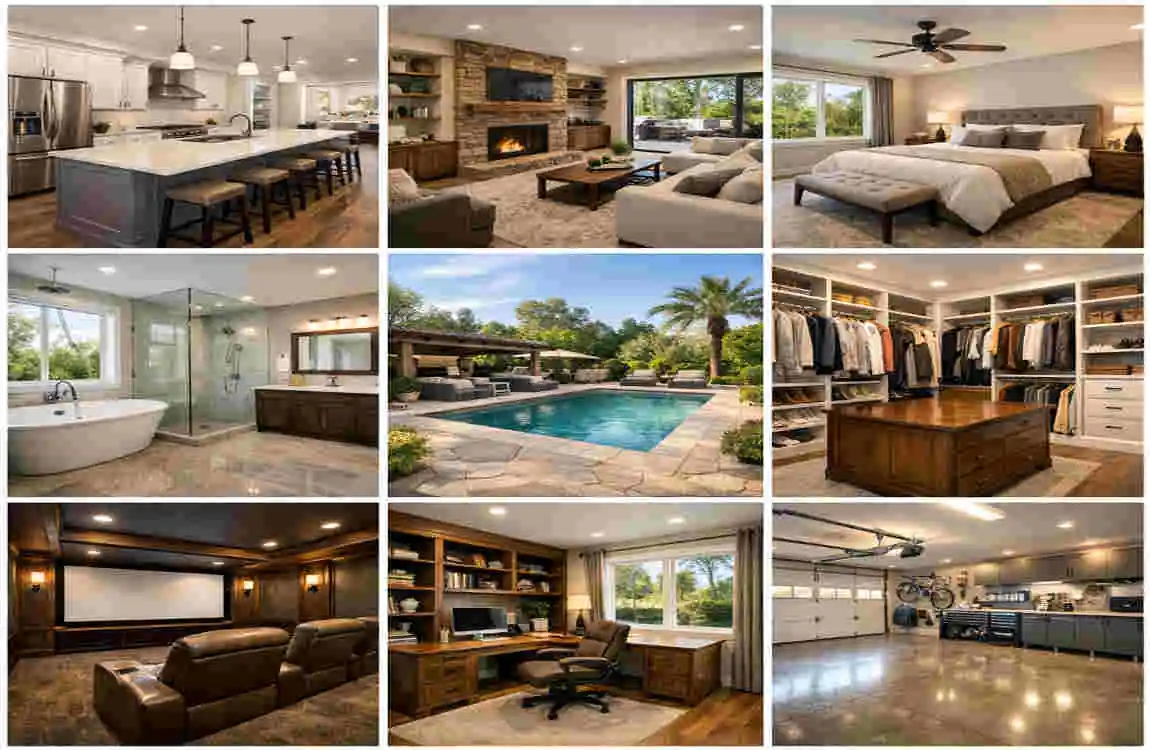
Number and Layout of Bedrooms
Bedrooms matter because they shape how well the home fits your household. A family with children may need more rooms, while a couple may want a guest room or home office.
But the number is not the only thing to check. Look at room size, closet space, windows, and privacy. A small bedroom with poor light may not be as useful as it sounds on paper.
Bathrooms and Functional Layout
Bathrooms are one of the most important features to consider when buying a house. Too few bathrooms can make daily life stressful, especially in a busy household.
Check the number of bathrooms, the condition of fixtures, ventilation, and storage. Good water pressure and simple access also matter. If someone in the home has mobility needs, accessibility becomes even more important.
Kitchen Features
The kitchen is often the heart of the home. Buyers should check cabinet condition, storage space, countertop area, and appliance quality.
You should also notice the layout. Some homes have open kitchens that connect to living spaces. Others have separate kitchens. Neither is better for every buyer. The right choice depends on how you cook, entertain, and move through the home.
Living and Dining Areas
Living and dining spaces should feel practical, not cramped. These rooms should support both family use and guest visits.
Natural light can make these areas feel larger and more welcoming. Also look at how the rooms connect. A good layout helps the home feel easy to use every day.
Interior Features That Can Add Value to a Home
Flooring and Interior Finishes
Flooring affects both appearance and maintenance. Hardwood, tile, laminate, and carpet all offer different benefits.
As a buyer, look for wear, stains, damage, and signs of poor installation. Some materials are easier to clean, while others may need more care. The best choice depends on your lifestyle and how much upkeep you want.
Windows, Doors, and Natural Light
Windows and doors affect comfort, safety, and energy use. Well-sealed windows can help keep the home cooler or warmer, depending on the season.
Natural light also makes a big difference. Bright rooms often feel more open and more pleasant. When touring a home, notice how much daylight enters each space.
Storage Space
Storage is one of the most overlooked important features in a home for buyers. Yet it affects daily life in a big way.
Look for closets, pantry space, garage storage, built-in shelves, and other hidden storage areas. A home may look great, but if it has no place for your things, it can quickly feel cluttered.
Heating, Cooling, and Insulation
A good HVAC system helps keep the home comfortable. You should check the system’s age, condition, and maintenance history, if possible.
Insulation also matters. Good insulation can improve indoor comfort and reduce energy bills. These features may not be as exciting as a fancy kitchen, but they can save you money over time.
Exterior and Outdoor Features Buyers Should Consider
Curb Appeal
The outside of a home gives you the first impression. Roof condition, siding, landscaping, and paint all play a role.
Strong curb appeal can suggest that the home has been properly cared for. It may also affect how future buyers see the property.
Garage, Driveway, and Parking
Parking is a practical feature that buyers should not ignore. Check how many vehicles the property can accommodate and whether the garage has enough storage space.
If you have an electric vehicle, ask about EV charging potential. Even if you do not need it now, it may matter later.
Yard, Patio, and Outdoor Living
Outdoor space can make a home much more enjoyable. A yard, deck, balcony, patio, or garden adds room for relaxing and entertaining.
At the same time, think about maintenance. A large yard may be beautiful, but it also takes time and money to care for. Privacy and drainage are also worth checking.
Roof and Exterior Maintenance
The roof is one of the most important parts of the house. A damaged or aging roof can lead to expensive repairs.
Also inspect gutters, siding, drainage, and the foundation if possible. These items are not always easy to notice, but they can affect the long-term health of the home.
Modern, Smart, and Energy-Efficient Home Features

Smart Home Technology
Smart home features can make life easier. Common examples include smart thermostats, smart locks, lighting systems, and security devices.
These tools can add convenience, but they should be useful rather than gimmicky. If the technology is hard to use or outdated, it may not add much value.
Energy-Efficient Appliances
Energy-saving appliances can lower monthly utility costs. That includes refrigerators, washers, dryers, and HVAC equipment.
If you plan to live in the home for years, these features can matter a lot. They help reduce running costs and support a more efficient household.
Solar Panels and Renewable Energy
Solar panels can be attractive, but buyers should ask the right questions. Find out who owns the system, what the warranty covers, and what maintenance is needed.
A solar setup can help with energy savings, but only if the details are clear.
Insulation and Energy-Efficient Windows
These are not flashy features, but they are very practical. Better insulation and efficient windows can improve comfort and help lower energy use.
That makes them strong, valuable home features for long-term buyers.
How to Compare Real Estate Home Features for Sale
Create a Must-Have Feature List
Before you start comparing homes, write down your priorities. Separate them into:
- Essential
- Preferred
- Luxury
This helps you stay focused and avoid falling for features that look nice but do not really matter to your life.
Compare Features With the Asking Price
A home may have pretty finishes, but that does not always mean it is worth the asking price. You should ask whether the features are useful and whether they truly justify the cost.
Sometimes a house with fewer upgrades is a better deal if the structure and systems are strong.
Consider Location Along With Features
A great home in the wrong location may still be a poor choice. Consider schools, transportation, shops, neighbourhood quality, and future development.
Location often matters as much as the house itself.
Think About Future Resale Value
Some features appeal to many buyers. Others are too personal and may not help resale later.
Try to choose homes with broad appeal, solid condition, and flexible spaces.
Home Features to Inspect Before Making an Offer

Structural and Safety Features
Check the foundation, roof, plumbing, electrical system, windows, doors, and safety devices like smoke and carbon-monoxide detectors.
These features are not exciting, but they are essential.
Major Home Systems
The HVAC system, water heater, electrical panel, and sewer or septic system should all be reviewed carefully.
If these systems are old, repairs may be expensive.
Signs of Expensive Repairs
Watch for these warning signs:
- Water stains
- Cracks
- Mould or moisture
- Poor drainage
- Old mechanical systems
These signs may point to deeper problems that need attention.
Why a Professional Home Inspection Matters
A professional inspection can reveal issues that you may miss during a walk-through. It helps you make a smarter decision before you commit.
If problems appear, you can use the findings to negotiate or walk away.
FAQ
What are the most important real estate home features for sale?
The most important features are the layout, bedrooms, bathrooms, kitchen, structural condition, major systems, storage, parking, and outdoor space.
Which home features add the most value?
Kitchens, bathrooms, energy-efficient systems, good storage, strong structure, and useful outdoor space often add the most appeal.
Should buyers prioritize modern features?
Modern features can be helpful, but buyers should first focus on condition, location, layout, and major systems.
What should I check during a home viewing?
Check the roof, structure, windows, plumbing, electrical systems, HVAC, storage, parking, and any signs of moisture or damage.
Do smart home features increase home value?
They can, but only when they are useful, reliable, and easy to use.
How can I compare different homes for sale?
Use a checklist, compare price to condition, and consider location, maintenance, and future resale value.
| Home Feature | What Buyers Should Check | Why It Matters |
|---|---|---|
| Location | Neighborhood, schools, roads, and nearby services | Affects convenience and property value |
| Home Size | Total living area and room sizes | Ensures the home fits your needs |
| Kitchen | Cabinets, appliances, countertops, and storage | Impacts daily comfort and functionality |
| Bathrooms | Number, condition, fixtures, and ventilation | Adds convenience and resale appeal |
| Bedrooms | Size, closets, windows, and privacy | Important for families and future needs |
| Roof & Exterior | Roof age, siding, doors, and visible damage | Helps avoid expensive repairs |
