

If you want to grow in real estate, money matters. You may have a great deal in front of you, but without funding, it is hard to move forward.
That is why learning how to raise capital for real estate is such an important skill. You do not always need to use only your own money. Many investors use savings, partners, private investors, or loans to help fund purchases, repairs, and new projects.
What Does Raising Capital for Real Estate Mean?
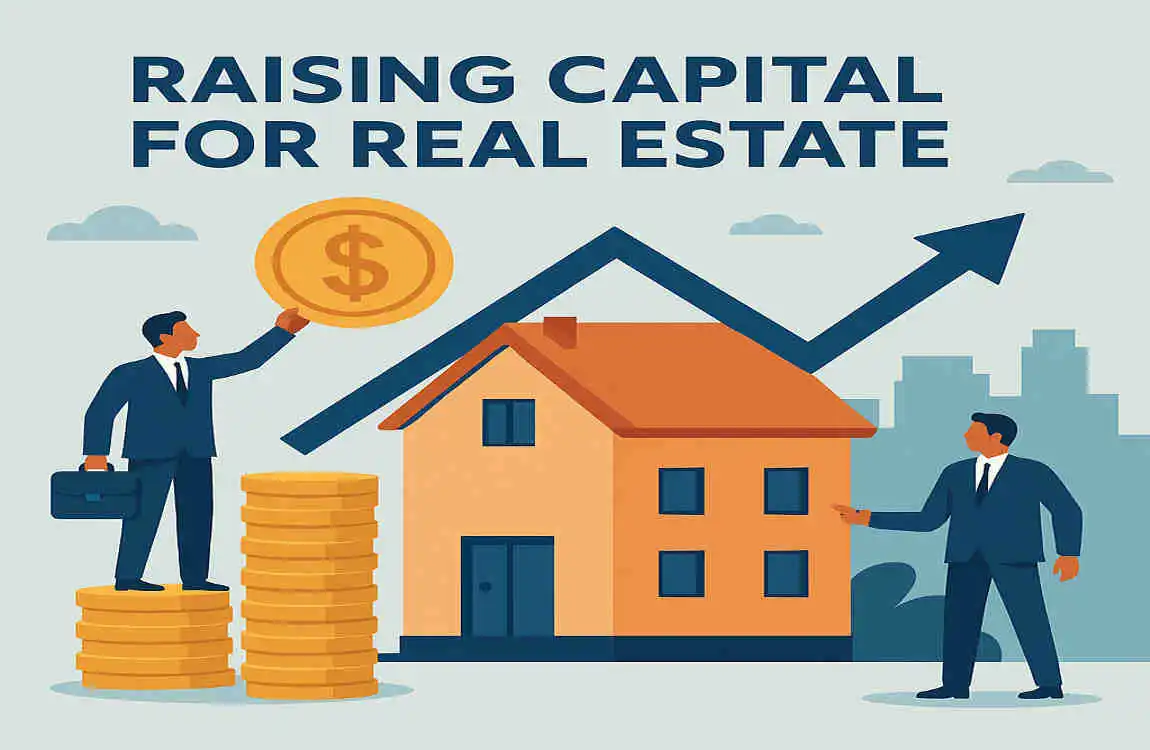
Understanding Real Estate Capital
Real estate capital is the money used to buy, improve, or hold a property. It can come from your own savings, a lender, or another investor.
In simple terms, capital is the fuel that helps a real estate deal move. Some people use personal funds. Others bring in outside capital because they want to pursue larger deals or protect their own cash.
Why Investors Raise Capital
People raise capital for many reasons:
- Buying investment properties
- Paying for renovations
- Funding new construction
- Expanding a property portfolio
- Covering closing and operating costs
This is one of the biggest reasons many beginners ask how to raise capital for real estate. They want a way to start or scale without carrying the full cost alone.
How Much Capital Do You Need?
The amount depends on the project. You may need money for:
- Purchase price
- Down payment
- Renovation budget
- Closing costs
- Emergency reserves
It is smart to plan for more than the obvious costs. Real estate often comes with surprises.
Prepare Before You Ask for Capital
Create a Clear Investment Plan
Before asking anyone for money, you need a plan. Investors want to know what you are buying, why you are buying it, and how the deal will work.
Be clear about:
- The property type
- The target market
- The investment timeline
- The expected exit plan
A simple, organised plan builds trust.
Know Your Numbers
Numbers make your proposal stronger. Even if your deal sounds good, you still need clear financial details.
Financial Detail Why It Matters
Purchase Price Shows the cost to buy the property
Renovation Cost Estimates improvement expenses
Expected Value Helps show future potential
Rental Income Shows possible monthly cash flow
Investor Return Explains the benefit to the investor
Build Credibility
People do not just invest in properties. They invest in people.
To build trust, keep your records organised, study your market, and be honest about risk. A professional investment proposal can also help you stand out.
Best Ways to Raise Capital for Real Estate
Use Your Personal Savings
Your own money is often the easiest place to start. It shows commitment and reduces the need to depend on others.
Still, be careful. Keep an emergency fund and property reserve so one project does not drain your finances.
Work With Friends and Family
Friends and family may help with early deals, especially if they trust you. This can be a fast way to gather initial funds.
Even so, treat it like a business deal. Put everything in writing and explain the risks clearly.
Find Private Real Estate Investors
Private investors often look for deals they cannot find on their own. They may provide money in exchange for a return, a share of profits, or both.
You can meet them through networking, real estate events, business groups, or professional referrals. Most want to know:
- What the deal is
- How much money is needed
- What return they may receive
- What risks are involved
Form a Real Estate Partnership
Partnerships can work well when one person brings money, and the other brings skills, experience, or credit. This is common in real estate.
The key is to be clear about roles, decision-making, and profit sharing from the start.
Consider Real Estate Loans
You can also raise capital through financing. Common options include:
- Traditional mortgages
- Commercial loans
- Hard-money loans
- Private lending
- Lines of credit
Each one works differently, so choose based on your project and repayment ability.
How to Find and Attract Real Estate Investors

Build a Strong Investor Pitch
Your pitch should be simple and direct. Explain the property, the plan, and why the deal makes sense.
A strong pitch should include:
- Property details
- Capital needed
- Expected timeline
- Potential returns
- Main risks
- Exit strategy
If you cannot explain the deal clearly, investors may walk away.
Network in the Right Places
You will often find capital through relationships. That means you need to show up where investors spend time.
Good places include:
- Local real estate events
- Investor groups
- Business networking events
- Professional associations
- Real estate meetups
Focus on Relationships
Investors like honesty, consistency, and communication. If you keep people updated and handle problems quickly, they are more likely to work with you again.
Trust is one of the most important parts of raising capital for real estate.
How to Structure a Real Estate Capital Deal
Debt vs. Equity
There are two basic ways money can enter a deal.
Debt means the money is borrowed and repaid under agreed terms.
Equity means the investor owns a stake in the deal and shares in the profits.
Debt is more like a loan. Equity is more like shared ownership.
Profit-Sharing Partnerships
Some deals use profit-sharing. In this setup, the investor gets a portion of the return once the property is sold, refinanced, or producing income.
This can work well, but only if everyone understands the agreement.
Create a Written Agreement
Never rely on verbal promises alone. A written agreement should explain:
- How much is being invested
- Who owns what
- How profits are shared
- Who makes decisions
- When the deal ends
- What happens if the deal loses money
Understand Legal and Tax Requirements
Some funding setups may fall under investment or securities rules. That is why legal and tax advice is often important.
Do not promise guaranteed returns. Real estate always involves risk.
Common Mistakes to Avoid
Asking for Money Without a Plan
Investors need structure. If you ask for money without clear numbers or a real strategy, it becomes hard for them to trust you.
Overestimating Returns
Always stay realistic. Use conservative numbers and include possible repairs, delays, and market changes.
Ignoring Due Diligence
Check the property carefully before you ask others to fund it. Review comparable sales, local demand, and expense estimates.
Poor Communication
If you raise capital, you must keep people informed. Share updates and address problems fast.
No Exit Strategy
Every deal needs a finish line. Investors should know whether the plan is to sell, refinance, or hold the property long term.
Simple Step-by-Step Plan

Choose Your Strategy
Decide whether you want rentals, flips, development, or another approach.
Find a Suitable Deal
Look for a property that fits your budget and goals.
Calculate Total Capital Needed
Include purchase, renovation, closing, and reserves.
Review Income and Risk
Study expected returns and possible problems.
Create a Proposal
Make your deal clear, simple, and professional.
Find Funding Sources
Reach out to savings, partners, private investors, or lenders.
Present the Deal
Explain the opportunity honestly and confidently.
Put It in Writing
Document every term before any money changes hands.
Complete Legal Review
Make sure the structure is proper and compliant.
Manage the Project
Keep investors updated and stay organised throughout the deal.
FAQ: How to Raise Capital for Real Estate
How can beginners raise capital for real estate?
Beginners often start with savings, partnerships, private investors, or basic financing. The most important part is showing a clear plan.
Can I raise real estate capital without using my own money?
Sometimes, yes. But you still need credibility, a strong deal, and likely some form of contribution, such as time, experience, or a network.
How do I find private investors for real estate?
Use networking, referrals, investor groups, and business connections. Most investors want trust and clear numbers.
What should I include in a real estate investor proposal?
Include the property, funding needed, strategy, returns, risks, timeline, and exit plan.
Is raising capital for real estate legal?
Yes, but the legal structure matters. Some deals may require legal and tax guidance.
What is the difference between debt and equity in real estate?
Debt is borrowed money that must be repaid. Equity means an ownership share in the deal.
| Capital Source | How It Works | Best For |
|---|---|---|
| Personal Savings | Use your own money to fund the investment. | Small projects |
| Bank Loans | Borrow money through a mortgage or real estate loan. | Property purchases |
| Private Investors | Individuals provide funds in exchange for returns or ownership. | Larger projects |
| Real Estate Partnerships | Multiple investors combine money and share profits. | Joint investments |
| Hard Money Loans | Short-term financing based mainly on the property’s value. | Fix-and-flip projects |
| Crowdfunding | Raise smaller amounts from multiple investors through a platform. | Development projects |
