
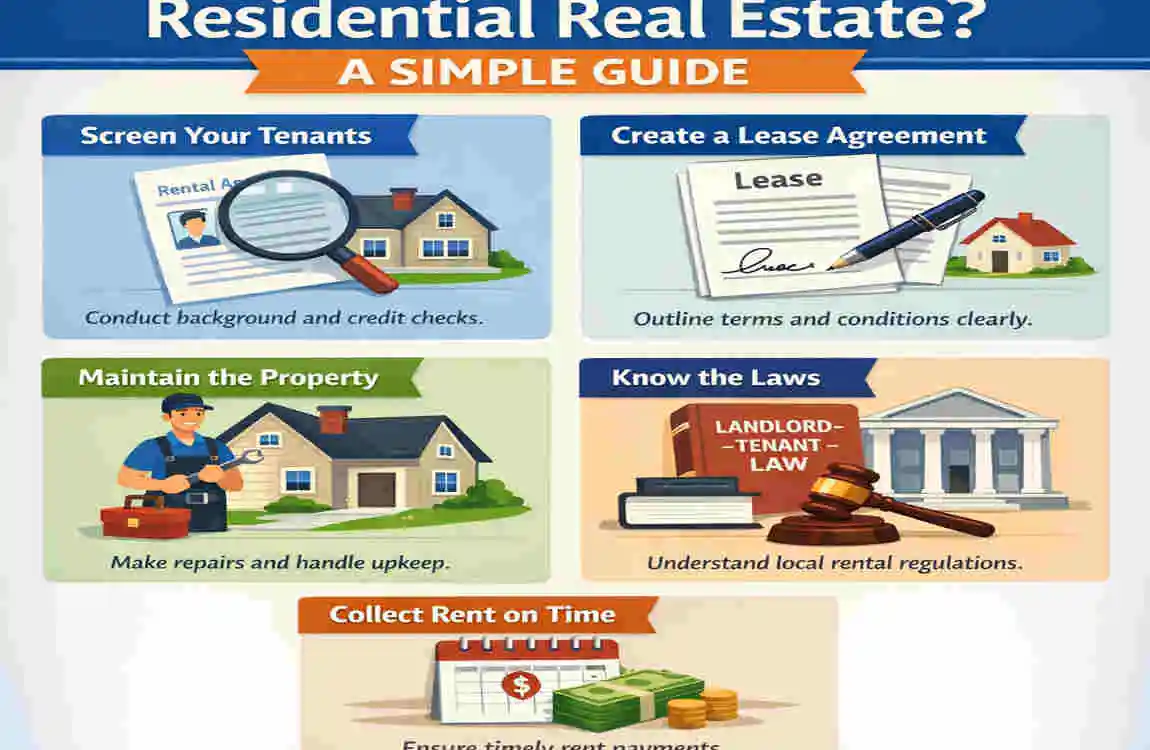
If you own a home or rental unit and rent it to someone else, you may be asking yourself: Are you a lessor of residential real estate? The short answer is that if you rent out a residential property, you are usually the lessor.
This guide explains the term in simple language. It also covers your main responsibilities, lease basics, rental income, common challenges, and practical ways to handle them.
What Does “Lessor of Residential Real Estate” Mean?
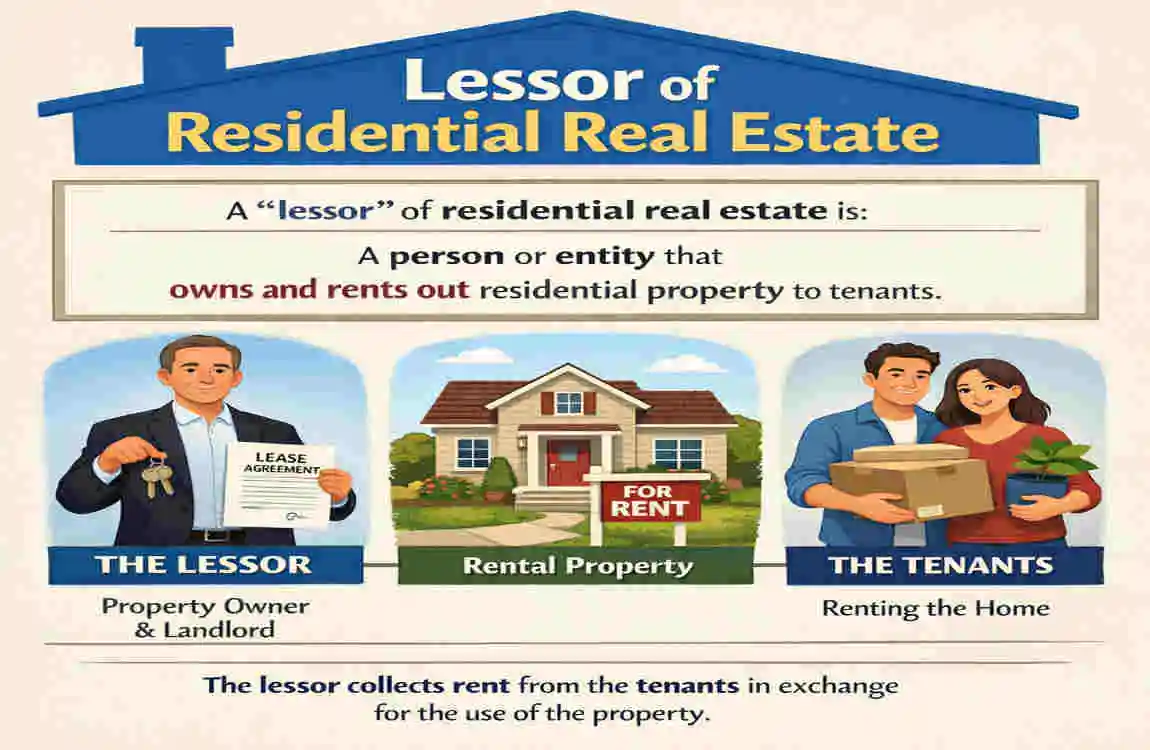
A lessor is the person or business that owns the property and allows someone else to live there in exchange for rent.
Lessor vs. Lessee
The difference is simple:
- Lessor = the owner or landlord
- Lessee = the tenant or renter
So if you own the property and rent it out, you are the lessor. If you live in the property and pay rent to someone else, you are the lessee.
What Counts as Residential Real Estate?
Residential real estate includes places where people live, such as:
- houses
- apartments
- condos
- townhouses
- duplexes
- other rental homes or units
Simple Example
If you own a house and rent it to a family, you are acting as the lessor. If you own an apartment and rent it to one tenant, you are still the lessor.
Even if you only rent out one property, the term can still apply.
Are You a Lessor of Residential Real Estate?
You are generally considered a lessor if you own a residential property and allow another person to live there under a rental agreement.
Who Usually Qualifies?
You may be a lessor if you rent out:
- a single house
- an apartment
- a condo unit
- a townhouse
- a duplex
- part of a home, such as a basement unit or guest suite
What If You Use a Property Manager?
Some owners hire a property manager to handle the day-to-day work. That does not stop you from being the lessor.
You are still the owner. The property manager acts on your behalf for tasks like collecting rent, handling complaints, or arranging repairs.
Can a Part-Time Landlord Be a Lessor?
Yes. You do not need to rent full-time or own many properties. Even if you rent out your home for part of the year or lease one unit occasionally, you may still be the lessor.
Quick Checklist
Ask yourself these questions:
- Do I own a residential property?
- Do I rent it to another person?
- Do I receive rent or other payment for the use of the property?
- Do I have rules, a lease, or rental terms in place?
If the answer is yes to most of these, you are likely acting as a residential lessor.
What Are the Responsibilities of a Residential Lessor?
Being a lessor is more than collecting rent. You also have important duties that help protect both you and your tenant.
Keep the Property Safe and Habitable
The rental should be reasonably safe and livable. That usually means things like working plumbing, heat, electricity, and basic structural safety.
Handle Repairs and Maintenance
When something breaks and it is your responsibility, you should fix it in a reasonable time. This may include issues like:
- broken appliances
- leaking roofs
- plumbing problems
- damaged locks
- electrical issues
Follow Local Landlord-Tenant Laws
Rules are not the same everywhere. Follow the laws in your city, state, or country. These rules may cover rent collection, notices, deposits, and eviction steps.
Protect Tenant Privacy
Tenants have the right to privacy. In most cases, you should give proper notice before entering the unit, unless there is an emergency.
Manage Security Deposits Correctly
If you collect a deposit, you usually need to follow local rules about how to store it, when to return it, and what deductions are allowed.
Why Responsibilities Vary
Your exact duties may depend on:
- where the property is located
- what the lease says
- local housing laws
- whether the unit is furnished or unfurnished
That is why it is important to understand the rules that apply to your situation.
Understanding the Residential Lease Agreement
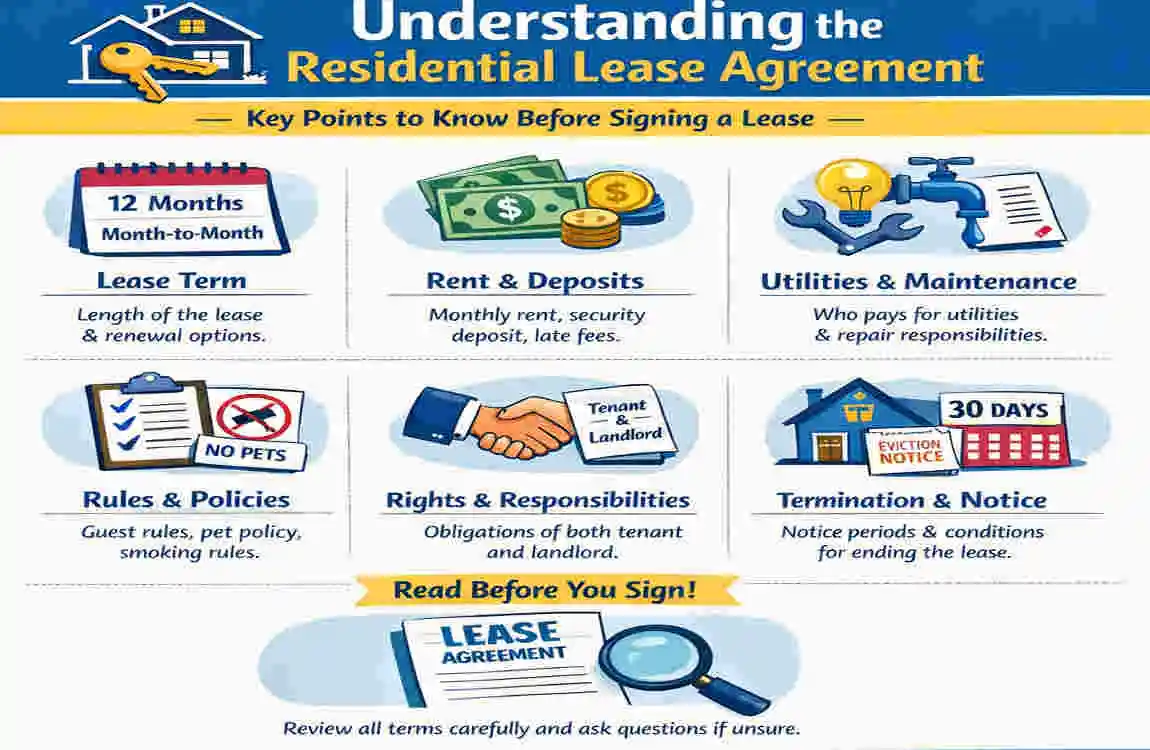
A residential lease agreement is the written contract between the lessor and the tenant. It explains the rental terms and helps avoid confusion later.
Why a Written Lease Matters
A written lease protects both sides. It gives you a clear record of what was agreed upon, which makes it easier to solve problems if they come up.
Common Items in a Lease
A good lease usually includes:
- names of the landlord and tenant
- property address
- rent amount
- due date for rent
- security deposit details
- lease length
- maintenance responsibilities
- rules about pets, smoking, or guests
- renewal and ending terms
Common Mistakes to Avoid
Some lessors rely only on verbal promises. Others forget to explain key rules clearly.
Try to avoid:
- unclear payment terms
- missing repair rules
- vague late-fee language
- no mention of deposit handling
- no written record of special agreements
A clear lease keeps things simple and professional.
Rent, Expenses, Taxes, and Financial Considerations
If you are a lessor, rental income can help, but you also need to consider costs.
How Rental Income Works
In basic terms, the tenant pays rent, and that income goes to you as the property owner. But rent isn’t pure profit because the property also has expenses.
Common Rental Expenses
You may need to pay for:
- repairs
- routine maintenance
- property insurance
- property management
- utilities, if you cover them
- property taxes
Simple Profit Example
Here is a simple example:
- monthly rent: $1,800
- repairs and maintenance: $200
- insurance: $100
- taxes and other costs: $300
That means your total monthly expenses are $600.
So your rough income after those costs would be $1,200 before other factors.
Why Records Matter
Keep good records of:
- rent received
- repair bills
- lease copies
- inspection notes
- deposit records
- tax documents
This helps you stay organized and makes tax time much easier.
Tax Treatment
Taxes on rental income depend on where you live and your personal situation. It is always smart to understand local tax rules or speak with a tax professional if needed.
Common Challenges Residential Lessors Should Know
Rental property can be rewarding, but it also comes with occasional problems.
Late or Missed Rent
This is one of the most common issues. A clear lease and consistent follow-up can help reduce confusion.
Property Damage
Tenants may accidentally damage the home or, in some cases, cause damage through neglect. Regular inspections and clear lease rules can help.
Maintenance Emergencies
Problems like burst pipes or heating failures often need quick action. Having a plan in place makes these situations easier to manage.
Tenant Disputes
Conflicts can happen over noise, repairs, deposits, or lease terms. Clear communication often helps defuse issues early.
Vacancies and Turnover
When a tenant moves out, you may need time to clean, repair, and find a new renter. This can affect your income, so planning matters.
Practical Ways to Reduce Problems
You can lower risk by:
- using a detailed lease
- screening tenants fairly and legally
- documenting repairs
- communicating clearly
- enforcing rules consistently
How to Be a Responsible and Successful Residential Lessor
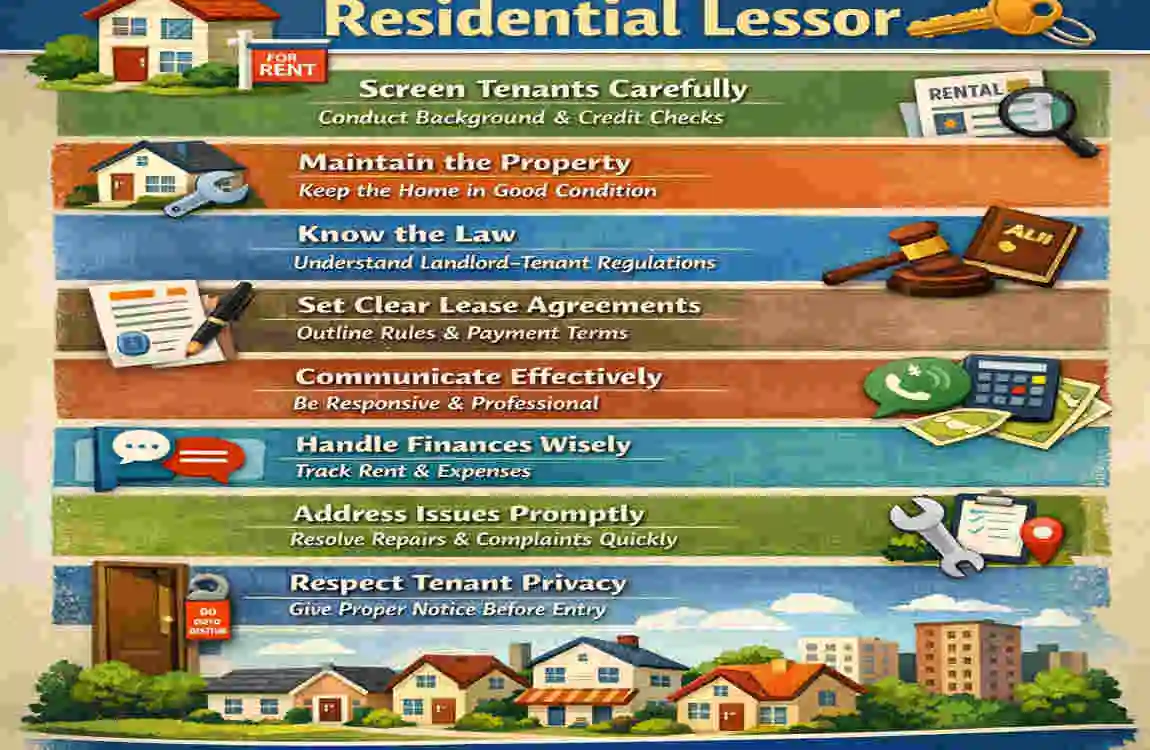
To succeed as a lessor, stay organized, fair, and consistent.
Create Clear Rental Policies
Decide your rules before renting. For example, think about pets, guests, payment timing, and maintenance requests.
Screen Tenants Carefully
When the law allows it, review applications carefully. A good screening process can help you choose tenants who are more likely to pay on time and care for the property.
Maintain the Property
A clean and well-kept property attracts better tenants and helps protect your investment. Small repairs now can prevent bigger problems later.
Communicate Professionally
Be respectful and clear. Good communication builds trust and reduces stress for both sides.
Keep Good Records
Stay organized with:
- rent logs
- repair notes
- receipts
- lease copies
- inspection reports
Know When to Get Help
If managing the property becomes too much, professional property management may be worth considering.
FAQ: Are You a Lessor of Residential Real Estate?
Are you a lessor of residential real estate if you rent out your house?
Yes. If you own a residential property and rent it to someone else, you are generally considered the lessor.
What is the difference between a lessor and a lessee?
The lessor is the owner who rents out the property. The lessee is the tenant who rents and lives in it.
Is a landlord the same as a lessor?
In everyday language, yes. A landlord is usually the same person as a lessor.
What responsibilities does a residential lessor have?
A lessor usually needs to maintain the property, make needed repairs, follow local laws, manage deposits properly, and protect tenant privacy.
Does a lessor need a written lease agreement?
A written lease is strongly recommended. It helps prevent misunderstandings and gives both sides a clear record of the agreement.
Can a property manager act on behalf of a lessor?
Yes. A property manager can handle tasks for the owner, but the owner is still the lessor.
What expenses can residential lessors have?
Common expenses include repairs, maintenance, insurance, taxes, utilities, and property management fees.
What should a lessor do before renting out a property?
Before renting, make sure the property is safe, create a lease, understand local laws, and decide how to handle rent, deposits, and repairs.
Can a lessor terminate a residential lease early?
Sometimes, but only under certain conditions and usually according to the lease and local law. It should not be done casually.
Why is it important for a lessor to understand landlord-tenant laws?
Because these laws control many parts of renting, including notices, deposits, repairs, and evictions; knowing the rules helps you avoid mistakes and legal trouble.
| Topic | Simple Explanation |
|---|---|
| Lessor | The property owner who rents residential real estate to another person. |
| Lessee | The tenant who rents and uses the property. |
| Main Role | Provide a safe, habitable property according to applicable laws. |
| Rental Agreement | A written lease typically explains rent, duration, responsibilities, and rules. |
| Rent Collection | The lessor collects agreed rent according to the lease terms. |
| Maintenance | The lessor is generally responsible for major repairs and essential property systems, subject to local law. |
