
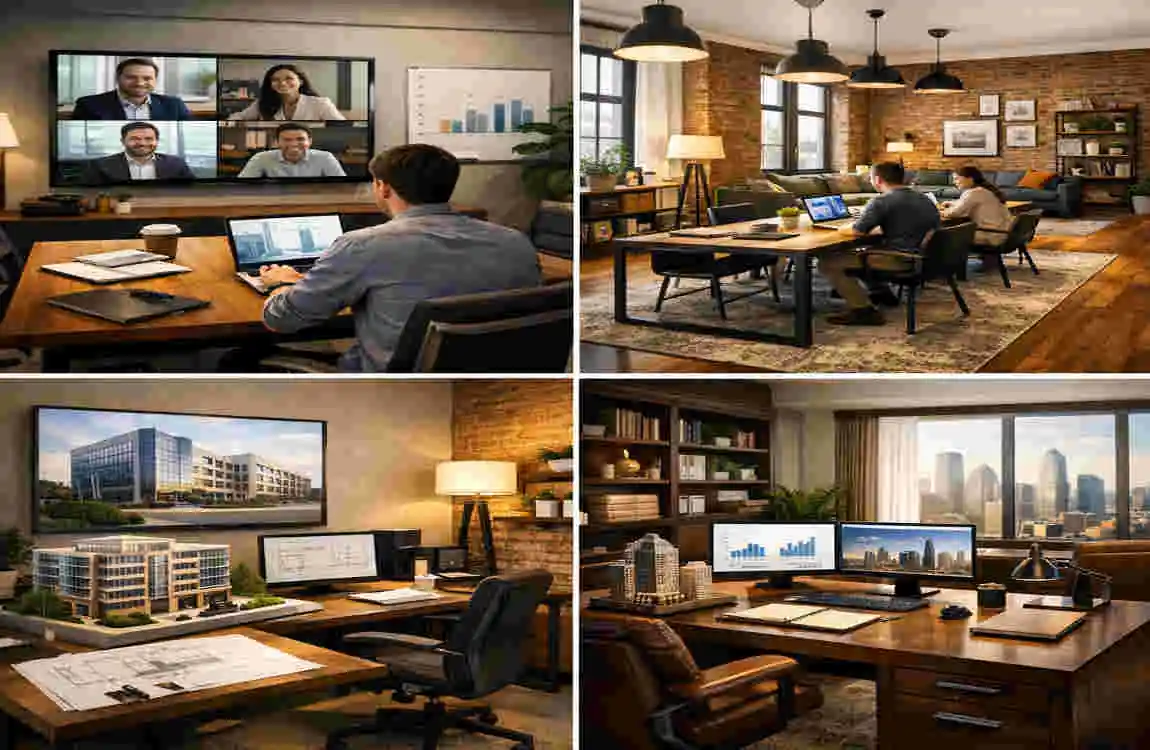
Commercial real estate at home is a simple idea with a big impact. It means using part of your home for business activities in a way that feels professional, practical, and organized.
This trend is growing fast because more people now work remotely, run online stores, offer services from home, or need flexible workspaces. Many homeowners want a space that supports both daily living and business use without feeling cramped or messy.
Understanding Commercial Real Estate at Home
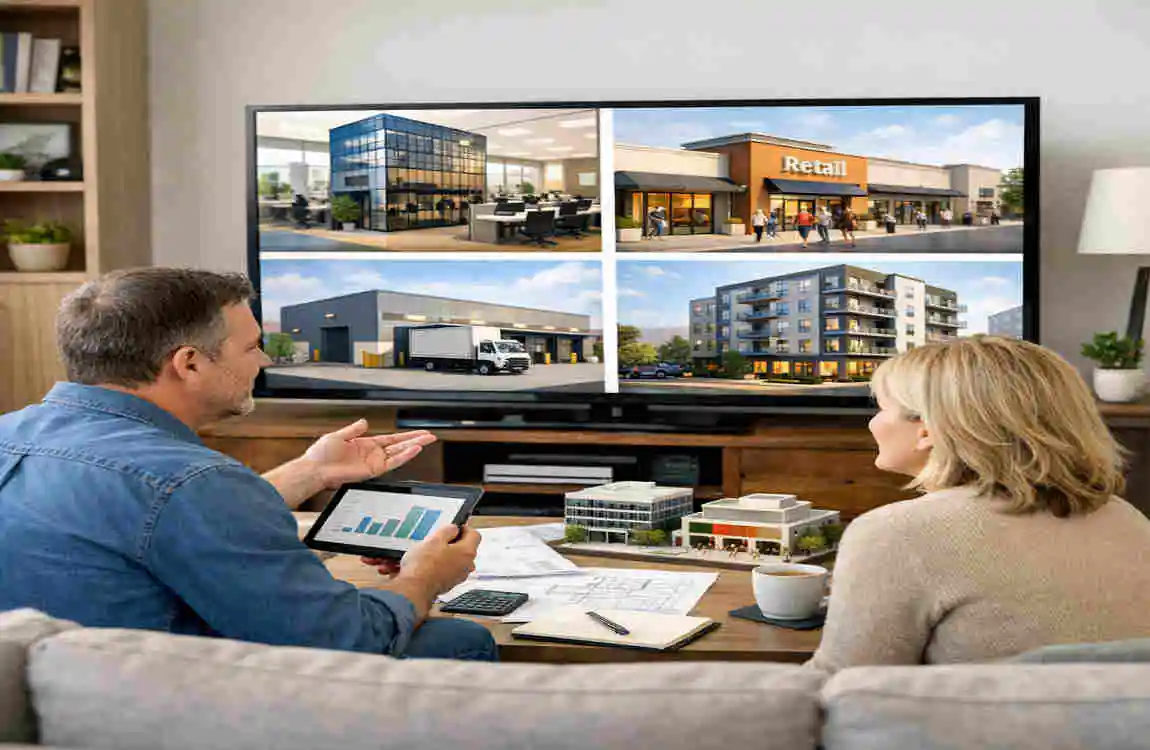
What Does Commercial Real Estate at Home Mean?
In simple words, this means using a home space for work or business purposes. It does not always mean turning a house into a full office building.
A home is still residential property, but one room, a garage, a basement, or a backyard structure may support business activities. That could include meetings, computer work, content creation, consulting, tutoring, or product storage.
The key difference is this:
- Residential real estate is mainly for living.
- Commercial real estate is mainly for business use.
When you combine them at home, you create a space that works for both.
Why Is This Trend Growing?
This trend is growing for a few simple reasons. First, remote and hybrid work has become normal for many people. Second, more people are starting home-based businesses because they want lower overhead costs.
Online stores, consulting services, coaching, design work, and content creation all fit well into this model. You do not always need a storefront or a large office to run a serious business.
People also want more flexibility. A home workspace gives them more control over their schedule, setup, and comfort.
Can a Home Be Used for Commercial Purposes?
In many cases, yes. But you need to check the rules first.
Local zoning laws often determine what types of business uses are allowed in residential areas. Some neighborhoods also have homeowners association rules that limit business signs, client visits, parking, or noise.
You should also think about:
- Permits
- Insurance
- Business-use rules
- Tax considerations
This is important because a home-based business should be convenient, but it must also remain legal and safe.
Top Trends in Commercial Real Estate at Home
Dedicated Home Offices
One of the biggest trends is the dedicated home office. This is a private room designed for work only.
A good office feels calm, focused, and professional. It often includes an ergonomic chair, a desk at the right height, storage, and strong lighting.
If you spend many hours working, this kind of setup can make a big difference. It helps you stay organized and reduces distractions.
Multi-Use Rooms
Not every home has extra space, so many people use multi-use rooms. A guest room can also be an office. A dining space can sometimes double as a meeting area.
This works well when furniture is flexible. Foldable desks, hidden storage, and smart layouts help a single room serve multiple purposes.
Smart Home Business Spaces
Smart tools are now a major part of home business design. Fast internet, smart lighting, video calls, and security features all make work smoother.
These upgrades are especially useful if you meet clients online or run a digital business. A well-connected space can feel much more efficient and professional.
Professional Home Studios
Some homes are becoming small studios for business use. This may include photography, podcasting, video editing, beauty services, design work, or consulting.
These spaces usually need better sound control, better lighting, and a clear setup that keeps the business area separate from the rest of the home.
How to Create a Commercial-Style Space at Home
Choose the Right Location
Start by picking the best spot in your home. A quiet area usually works best, especially if you take calls or meet with clients online.
Natural light is helpful, but privacy also matters. Try to choose a location that feels separate from busy family areas.
If possible, keep your work area away from the kitchen, living room, or other high-traffic spaces.
Design for Productivity
The space should help you work, not distract you. That means choosing furniture that is practical and comfortable.
Use:
- A desk that fits the room
- A supportive chair
- Good storage
- Simple décor
- Lighting that reduces eye strain
You do not need a fancy setup. You need a space that feels clean, efficient, and easy to use.
Improve Curb Appeal and Entry Areas
If clients or visitors come to your home, the front area should look neat and professional. A clean entrance helps create a good first impression.
You may also want to improve walkways, lighting, or landscaping. If signs are allowed in your area, use them carefully and only where permitted.
The goal is to keep the home attractive while making the business feel credible.
Plan for Clients and Visitors
If people come to your home, think about parking, privacy, and access. You want visits to feel smooth without disrupting family life.
A small waiting area may help if clients arrive early. If that is not possible, plan a simple entry flow so they know where to go.
Benefits and Challenges of Commercial Real Estate at Home

Key Benefits
There are many reasons people like this setup.
- Lower operating costs
- No daily commute
- More flexible hours
- Better control over the work environment
- More value from the space you already own
For many families, this is a smart way to use home space more efficiently.
Common Challenges
Of course, there are challenges too. Some of the most common ones include:
- Zoning limits
- Noise
- Lack of privacy
- More utility use
- Difficulty separating work and home life
These problems are manageable, but they need planning.
How to Avoid Common Mistakes
A few simple steps can save you trouble later.
- Check local rules before you start
- Keep business and personal finances separate when needed
- Look into insurance
- Plan the room before buying furniture
- Think about how the space will work every day
That way, you avoid creating a setup that looks good at first but is hard to use later.
Smart Ideas for Home-Based Commercial Spaces
Small Office Ideas
If your space is limited, keep it simple and smart. A small office can still feel polished.
Good ideas include wall-mounted desks, vertical shelves, compact cabinets, and foldable furniture. These choices save floor space and keep the room open.
Customer-Facing Business Ideas
Some businesses need a more client-ready feel. These can include consulting offices, tutoring rooms, small design studios, or professional service spaces.
In these cases, the layout should feel welcoming but still private. You want a space that supports conversation and focus.
Investment and Rental Considerations
If you are considering property value, the home-business setup should remain flexible. Future buyers or renters may want the room for another use.
A well-designed office can enhance appeal, but too many business-specific changes may limit the space’s flexibility later. That is why adaptable design is usually the safer choice.
Future of Commercial Real Estate at Home
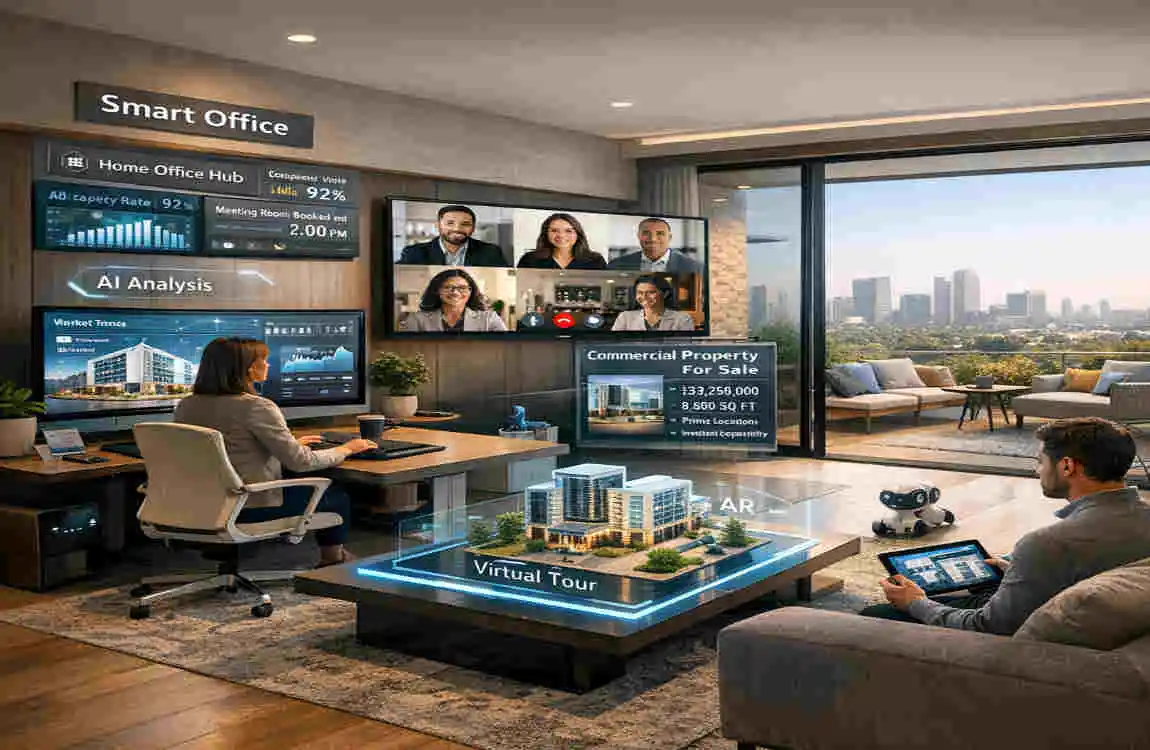
More Remote and Hybrid Work
Remote and hybrid work are likely to stay important. That means more people will want homes that support work without making life feel crowded.
More Flexible Residential Spaces
Buyers are looking for homes that adapt easily. A room that can serve as both a home office and a guest room may be more attractive than one with a single purpose.
Smarter Homes
As smart technology grows, home workspaces will become easier to manage. Better internet, lighting, security, and automation will support both comfort and productivity.
Changing Design and Zoning
Over time, neighborhoods and cities may adjust how they handle home business use. That could mean more flexible rules in some places and clearer limits in others.
Homes that can adapt to changing needs may stand out more in the future.
FAQ: Commercial Real Estate at Home
What is commercial real estate at home?
It means using part of a home for business activities while still living in the property as a residence.
Can I legally run a business from my home?
Often yes, but it depends on local zoning rules, permits, property restrictions, and the type of business.
Does working from home make a property commercial?
No. Working from home does not automatically change the property’s legal type.
What businesses can be operated from home?
Common examples include consulting, online businesses, tutoring, design work, and content creation, depending on local rules.
Does a home office increase property value?
It can, if the space is designed well and remains flexible. But too much business-specific remodeling may reduce appeal for some buyers.
What should I check before using my home for business?
Check zoning rules, permits, insurance, HOA restrictions, parking needs, and possible tax issues.
| Aspect | Key Information |
|---|---|
| Meaning | Commercial real estate used or managed from a home-based setup |
| Popular Trends | Home offices, mixed-use spaces, virtual businesses, and flexible work areas |
| Smart Design | Create a professional workspace with good lighting, storage, and comfortable furniture |
| Technology | Use fast internet, video conferencing, cloud tools, and smart security |
| Cost Saving | Start with an existing room instead of renting a separate commercial office |
| Legal Considerations | Check local zoning, permits, business rules, and home-use restrictions |
