

Modern home real estate taxes can surprise buyers if they do not plan for them early. A modern home may look sleek, stylish, and brand new, but its property tax bill depends on much more than appearance. Location, land size, local tax rules, and the home’s assessed value all play a big role.
This is why it is smart to understand property taxes before you buy. A home with a high purchase price, premium finishes, or a large lot may bring a higher tax bill. At the same time, a modern-looking home does not automatically mean a higher tax rate.
What Are Real Estate Taxes on a Modern Home?
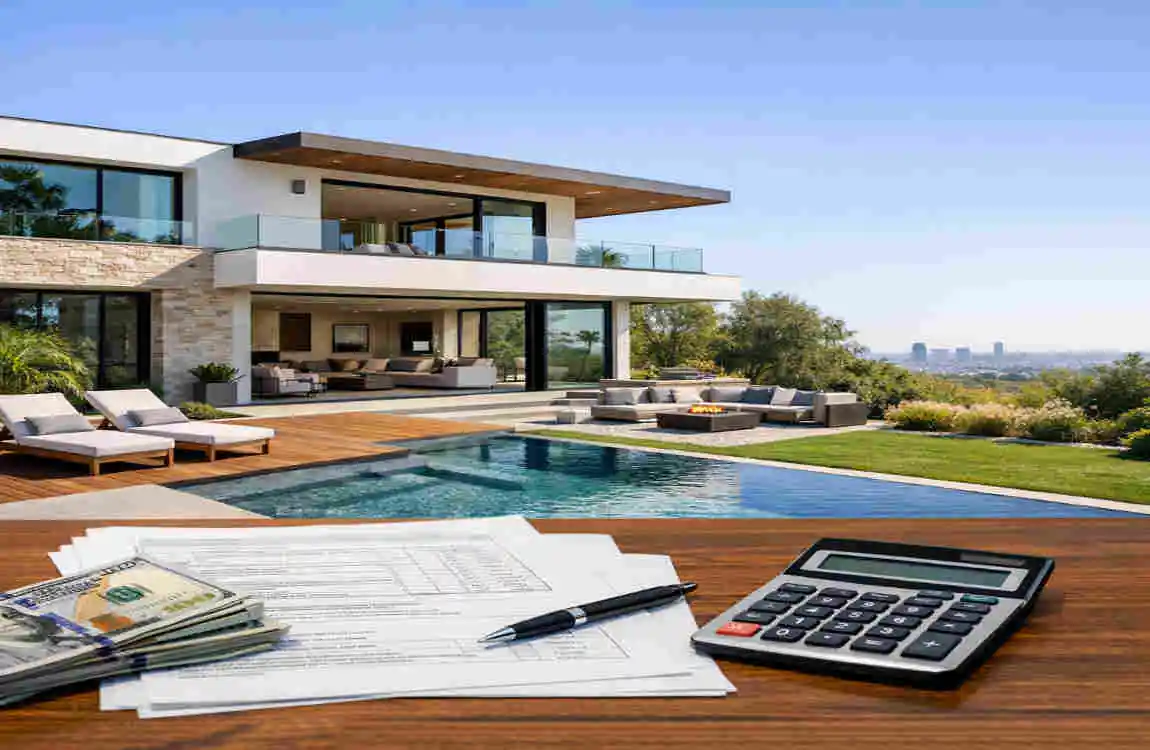
Definition of Real Estate Property Taxes
Real estate property taxes are local taxes homeowners pay on land and buildings. Local governments use this money to support services like schools, roads, emergency services, and public facilities.
It helps to separate property taxes from other common taxes. Income tax is based on what you earn. Sales tax is based on what you buy. Property tax is based on the value of your home and land.
Why Modern Homes May Have Different Tax Bills
Modern homes often have newer construction, larger open layouts, premium materials, and updated features. These details can affect the home’s value, and that can influence the tax bill.
A modern home in a prime area may also have a higher assessed value than a smaller or older property in a less expensive location. That does not mean all modern homes are taxed heavily, but it does mean the final bill can vary a lot.
Modern Home Real Estate Taxes vs. Older Homes
A home’s age does not decide the tax bill by itself. A well-kept older home in a high-value area may have higher taxes than a newer home in a cheaper area.
Older homes may also be assessed differently if they have not been updated or sold recently. Meanwhile, newer homes may be taxed more closely to their current market value. Local tax policy matters just as much as the property itself.
How Are Modern Home Real Estate Taxes Calculated?
Understanding Assessed Property Value
The tax bill starts with assessed value. This is the value the local assessor assigns to your home for tax purposes.
It is important to know the difference between market value, appraised value, and assessed value. Market value is what a buyer may pay. Appraised value comes from a professional valuation. Assessed value is the number used for property tax purposes. These figures may be close, but they are not always the same.
Understanding the Local Property Tax Rate
Once the assessed value is set, the local tax rate is applied. Some areas use percentage-based rates, while others use millage rates.
A simple way to think about it is:
Assessed Value × Local Tax Rate = Estimated Annual Property Tax
For example, if a home is assessed at £400,000 and the local tax rate is 1%, the estimated yearly tax would be £4,000. The exact method changes by location, but the basic idea is the same.
Factors Used by Tax Assessors
Assessors consider many details when determining value. These often include:
- Property size
- Lot size
- Location
- Number of bedrooms and bathrooms
- Construction quality
- Recent sales
- Garage and outdoor structures
- Renovations and additions
- Special features
A modern home with a larger floor plan, premium finishes, or extra living space may receive a higher assessment than a simpler property.
Key Factors That Affect Modern Home Real Estate Taxes
Location
Location is one of the biggest tax factors. Taxes can vary by city, county, municipality, and school district.
Two similar modern homes can have very different tax bills if they sit in different tax zones. A home in a high-demand area usually carries a higher assessed value and may also be subject to a higher local tax rate.
Home Size and Lot Size
Bigger homes usually cost more to tax because they have higher market value. More square footage often means more living space, more materials, and more value.
Lot size also matters. A large yard or extra land can increase the property’s value, especially if the location supports it. In some areas, land value can make up a big part of the total tax bill.
Construction Cost and Quality
Modern homes often use better materials, custom layouts, and higher-end finishes. That can raise their value.
For example, a home built with premium windows, designer fixtures, and custom carpentry may be assessed at a higher value than a basic build of the same size. Tax assessors often see these details as signs of increased value.
Modern Features and Upgrades
Some features may increase the home’s value by making it more desirable. These can include:
- Smart-home technology
- Energy-efficient systems
- Solar panels
- High-end kitchens
- Luxury bathrooms
- Swimming pools
- Outdoor kitchens
- Custom landscaping
- Home offices
- Extra living spaces
Still, not every improvement automatically increases taxes. Some local areas treat certain upgrades differently, so the actual effect depends on local rules.
Recent Sales Price
A recent sale often gives the assessor a strong clue about market value. If you buy a modern home at a high price, that sale may influence the next tax assessment.
But the sale price does not always equal the taxable value. Some jurisdictions use formulas, caps, exemptions, or other rules that change the final number.
Do New Modern Homes Have Higher Property Taxes?
New modern homes can have higher property taxes because they often start with a fresh market-based assessment. Their construction cost, size, and features can all contribute to a higher value.
In some areas, a home under construction may be assessed differently from a finished home. Once the build is complete, the property may be reassessed at its full value.
That said, not every new home costs more to tax than an older one. A smaller new build in a lower-cost area may still have lower taxes than a large older home in an expensive neighborhood.
How Renovations Can Change Your Property Tax Bill
Improvements That May Affect Assessment
Major upgrades can increase assessed value. Common examples include:
- Room additions
- Finished basements
- New garages
- Detached structures
- Major kitchen renovations
- Bathroom upgrades
- Pools
- Additional floors
These changes can increase a home’s value, which may lead to a higher tax bill.
Cosmetic Improvements vs. Major Improvements
Simple updates like painting, replacing decor, or making small repairs usually have less of an effect on taxes. These are often treated as maintenance rather than value-adding changes.
A structural change is different. If you add space, upgrade major systems, or change the home’s layout, the assessor may see the property as more valuable.
Why Homeowners Should Check Local Rules
Tax rules are not the same everywhere. One area may tax a renovation right away, while another may wait until the next reassessment cycle.
If you are planning major work, it is wise to check local assessor rules first. That can help you avoid surprises later.
Modern Home Features That May Affect Taxable Value
Modern Home Feature Potential Effect on Assessment
Smart-home systems May increase property value
Solar panels Treatment varies by jurisdiction
Swimming pool May increase property value
Finished basement Can increase assessed value
Home addition Often increases taxable value
Luxury kitchen May contribute to higher value
Energy-efficient upgrades Tax treatment varies
Large garage May increase property value
Note: local tax laws decide the actual treatment of these features.
How to Estimate Modern Home Real Estate Taxes Before Buying
Check the Existing Property Tax Bill
Start with the current tax bill if it is available. This shows the assessed value and the local tax rate being used.
If you know those numbers, you can get a good first estimate of what you may pay as the new owner.
Research Comparable Properties
Look at nearby homes with similar size, age, and features. Comparable homes can give you a better sense of what taxes may look like in the same area.
This step matters even more if the home is a modern custom build or has unusual features.
Ask About Future Reassessment
A home can be reassessed after a sale or after major construction. That means the tax bill may change even if the seller’s bill was lower.
Ask the local assessor or a qualified tax professional whether the property is likely to be reassessed after purchase.
Ways to Reduce Your Modern Home Property Tax Burden
Check Your Assessment for Errors
Mistakes happen more often than people think. The assessor may list the wrong square footage, bedroom count, bathroom count, or lot size.
Review the record carefully. If something is wrong, fixing it could lower your tax bill.
File a Property Tax Appeal
If you believe your assessment is too high, you may be able to appeal it. The goal is to show that the property has been overvalued.
Comparable sales, photos, and records can help support your case. Just remember that appeal deadlines are often strict.
Look for Available Exemptions
Some homeowners qualify for tax relief through exemptions or local programs. Common examples include:
- Homestead exemptions
- Senior exemptions
- Veteran-related exemptions
- Disability-related exemptions
- Local tax relief programs
Eligibility depends on where you live, so always check the rules in your area.
Keep Documentation
Keep records of permits, appraisals, renovations, and tax notices. Good paperwork makes it easier to understand your assessment or challenge it if needed.
Common Mistakes Homeowners Make With Modern Home Real Estate Taxes

Many homeowners make the same avoidable errors. They assume the purchase price always equals the taxable value. They forget to check reassessment rules after buying or renovating.
Some people also ignore tax history, assume all local tax rates are the same, or forget to apply for exemptions they qualify for. Others budget for the mortgage but forget about yearly property taxes, which can make ownership feel more expensive than expected.
Frequently Asked Questions About Modern Home Real Estate Taxes
Are modern homes taxed more than traditional homes?
Not automatically. Taxes usually depend on assessed value and local tax rules, not just on architectural style.
Does building a modern home increase property taxes?
Often, yes. A newly built home may receive a fresh assessment based on its market value and construction cost.
Do luxury features increase property taxes?
They can, especially if they raise market value. Still, the exact effect depends on local assessment rules.
Can renovations increase my property taxes?
Yes. Major improvements, such as additions, finished basements, and large upgrades, may lead to a higher assessment in some areas.
How can I find out how much property tax I will pay on a modern home?
Check the current tax bill, review local assessment records, compare similar homes, and ask about reassessment rules.
| Aspect | Real Estate Taxes on Modern Homes |
|---|---|
| Property Tax | Based on the home’s assessed value, including land and improvements. |
| Modern Features | Smart-home systems, premium finishes, pools, and additions may increase assessed value. |
| Location | Tax rates vary by city, county, state, or country. |
| New Construction | Newly built homes may receive a new assessment after completion. |
| Tax Assessment | Local authorities typically determine the taxable value of the property. |
| Annual Taxes | Homeowners generally pay property taxes annually or through scheduled installments. |
| Tax Benefits | Some areas offer deductions, exemptions, or credits for eligible homeowners. |
| Key Tip | Check your local tax authority for current assessment rules and tax rates. |
