
Searching for a home in Toronto can feel overwhelming, especially when you have hundreds of properties, neighborhoods, prices, and housing options to compare. Fortunately, modern technology makes it possible to complete much of your initial research without leaving your home.
Toronto real estate at home means using online listings, property photos, virtual tours, maps, market information, and digital tools to explore properties before deciding which ones deserve an in-person visit.
Whether you are a first-time buyer, renter, investor, growing family, or someone looking for a luxury property, online research can save time and help you make better decisions.
What Does Toronto Real Estate at Home Mean?
Understanding the Concept
Toronto real estate at home refers to researching and comparing properties remotely using online resources.
Instead of immediately visiting every house or condo, you can first examine listings from your computer or phone. Many listings provide photographs, floor plans, property descriptions, neighborhood information, and sometimes virtual tours.
This allows you to create a shortlist before scheduling physical viewings.
For buyers with busy schedules, online research can make the early stages of the property search much easier.
Why More Buyers Search for Homes Online
Online property research offers several practical advantages.
You can compare many homes within a short period and quickly eliminate properties that do not meet your requirements. You can also check different neighborhoods without physically traveling between them.
The main advantages include:
- Convenience: Search whenever it suits you.
- More choices: Explore different property types and neighborhoods.
- Easy comparison: Compare prices, sizes, features, and conditions.
- Better preparation: Research properties before visiting.
- Time savings: Avoid unnecessary property tours.
However, online research should be treated as the beginning of the buying process rather than the entire process.
What to Look for in an Online Property Listing
When reviewing a listing, pay attention to more than the asking price.
Check the property type, number of bedrooms and bathrooms, approximate size, parking, location, maintenance or condo fees, renovations, and listing status.
Read the description carefully and look for information about the property’s age, major upgrades, heating system, basement, outdoor space, and other features that matter to you.
If important information is missing, make a note to ask about it before moving forward.
Types of Toronto Real Estate You Can Find
Toronto offers a wide range of housing options. Understanding these choices makes it easier to identify a property that fits your lifestyle and budget.
Detached Houses
Detached homes stand independently without sharing walls with neighboring properties.
They can provide greater privacy, more outdoor space, additional storage, and flexible living areas, making them attractive to families.
The downside is that detached homes can require more maintenance. Homeowners are generally responsible for the property’s exterior, yard, roof, and other maintenance needs.
Semi-Detached and Townhouses
Semi-detached homes share one wall with another property, while townhouses are typically connected to neighboring units.
These properties can provide a useful balance between space and affordability.
They may be suitable for families and couples who want more living space than a typical condo but do not want the cost or maintenance requirements of a large detached property.
Depending on the development, townhouses may also involve maintenance or association fees.
Condos and Apartments
Condos are popular among buyers who value convenience and urban living.
They can offer access to amenities, public transportation, restaurants, workplaces, and entertainment while requiring less exterior maintenance than a detached home.
However, buyers need to examine condo fees carefully. These costs can cover building maintenance and shared amenities, but they add to monthly housing expenses.
You should also review building rules, reserve funds, maintenance history, and other relevant documents before purchasing.
Luxury Properties
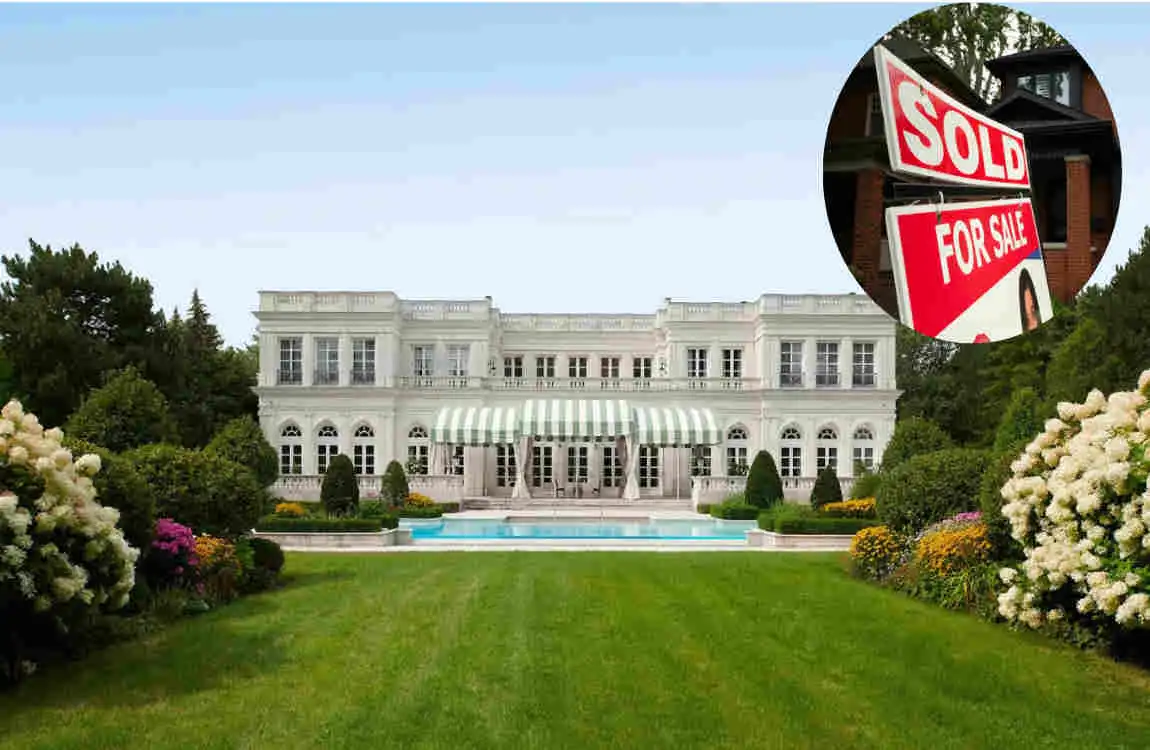
Luxury properties are generally distinguished by their location, size, design, materials, amenities, and level of customization.
A luxury Toronto property might include high-end kitchens, premium finishes, large outdoor spaces, advanced home technology, impressive views, or extensive living areas.
Location remains particularly important in this segment because desirable neighborhoods can strongly influence property value.
Investment Properties
Investment properties are purchased primarily to generate rental income or achieve long-term appreciation.
When evaluating an investment property, do not focus only on the expected rent. Consider mortgage costs, property taxes, insurance, maintenance, vacancy periods, condo fees, and other expenses.
A property with strong rental demand can still produce disappointing returns if its total costs are too high.
Popular Toronto Neighborhoods to Explore
Toronto contains many communities with different housing styles, lifestyles, transportation options, and price levels.
Downtown Toronto
Downtown Toronto is ideal for people who enjoy an active urban lifestyle.
Residents can have convenient access to offices, restaurants, shopping, entertainment, cultural attractions, and public transportation.
Condos and apartments are particularly common, although some downtown neighborhoods also contain older houses and townhomes.
If convenience and city access are your priorities, downtown may be worth exploring.
North York
North York offers a mixture of housing options, including condos, townhouses, and detached homes.
It can appeal to families and professionals who want access to transportation and urban amenities while preferring neighborhoods outside the busiest downtown areas.
When researching North York, compare different communities rather than treating the entire area as one market.
Scarborough
Scarborough offers a broad selection of housing types and neighborhood environments.
You can find condos, townhouses, semi-detached properties, and detached homes. Transportation, shopping, parks, and community facilities can also influence the appeal of individual areas.
For buyers with different budgets and housing needs, Scarborough offers several options worth comparing.
Etobicoke
Etobicoke is known for its residential communities, parks, and access to other parts of Toronto.
The area contains a mixture of detached houses, townhouses, condos, and other property types.
It can be attractive to buyers who want a more residential atmosphere while still maintaining access to downtown.
East Toronto
East Toronto includes communities with strong local character, shopping areas, parks, restaurants, and different housing options.
The area can appeal to buyers who want a neighborhood-focused lifestyle without giving up access to city amenities.
When comparing East Toronto properties, consider the specific community, commute, property condition, and local amenities rather than relying only on the broader neighborhood name.
How to Find Your Ideal Toronto Property
Finding the right home becomes much easier when you establish your priorities before starting your search.
Start With Your Budget
Your first step should be determining what you can realistically afford.
Do not base your budget only on the maximum mortgage amount a lender may approve. Consider your monthly expenses, savings, emergency fund, taxes, insurance, maintenance, utilities, and other financial responsibilities.
A comfortable budget is generally more useful than simply choosing the most expensive property you can technically purchase.
Define Your Property Requirements
Create a simple list of your essential requirements.
Think about:
- Property type and minimum bedrooms
- Bathrooms and parking
- Outdoor space
- Home-office requirements
- Transit access
- Storage
- Family and school needs
- Preferred neighborhood
Separate must-have features from features that would be nice to have.
This prevents you from rejecting suitable properties for lacking minor features.
Choose the Right Neighborhood
Location affects both your daily life and the property’s long-term appeal.
Think about your commute, access to public transportation, nearby shops, parks, schools, healthcare, restaurants, and other services.
Try to imagine your normal weekday in the neighborhood. How long will you travel to work? Where will you shop? Is the area convenient for your family?
These questions can reveal whether a property truly fits your lifestyle.
Compare Multiple Properties
Avoid becoming attached to the first attractive listing you see.
Instead, compare several similar properties. Look at price, size, condition, location, parking, renovations, fees, and overall value.
A beautiful property may not be the best deal if a similar home nearby offers more space or fewer ongoing expenses.
Schedule Property Viewings
Online photographs are useful, but they cannot tell you everything.
Visit the property when possible and pay attention to noise, natural light, room sizes, odors, storage, finishes, and the building’s overall condition.
For a purchase, consider whether a professional home inspection is appropriate. An inspection can identify potential problems that are not obvious during a casual viewing.
Factors That Affect Toronto Home Prices
Toronto property prices can vary significantly, even between homes that appear similar online.
Location
Location is one of the strongest factors affecting property value.
Demand, transportation, nearby amenities, parks, schools, and neighborhood characteristics can all influence what buyers are willing to pay.
Two homes with similar sizes can have very different prices because they are located in different parts of the city.
Property Size and Layout
Size matters, but usable layout matters too.
A well-designed floor plan can make a smaller property feel more comfortable than a larger home with inefficient rooms.
Consider lot size, interior space, number of bedrooms and bathrooms, storage, parking, and overall layout when comparing properties.
Property Condition
Condition can have a major impact on value.
A recently renovated kitchen or bathroom may increase appeal, while an aging roof, an outdated electrical system, inefficient windows, or other major repairs can add expenses.
Always consider both the property’s current appearance and its likely future maintenance needs.
Market Conditions
The broader Toronto real estate market also affects prices.
Buyer demand, available inventory, mortgage rates, employment conditions, and wider economic factors can influence market activity.
Because conditions change, always verify current prices and market statistics before making an important financial decision.
Toronto Real Estate at Home for First-Time Buyers
Start With Realistic Expectations
First-time buyers should understand what their budget can realistically purchase.
You may need to compromise on property size, location, age, or features.
Being flexible does not mean abandoning your priorities. Instead, decide which features are essential and where you can compromise.
Research Available Assistance
First-time buyers should investigate any current government programs, rebates, tax measures, or other assistance for which they may qualify.
Program rules and eligibility requirements can change, so verify current information before making financial decisions.
Don’t Skip the Inspection
A professional inspection can help identify potential problems that are difficult to notice during a standard viewing.
This is especially useful for older homes where major systems may need attention.
Think About Long-Term Needs
Your first property does not have to meet only today’s needs.
Consider whether you might need a home office, additional bedrooms, better transportation access, or more storage in the future.
Thinking ahead can help you avoid buying a property that quickly becomes unsuitable.
How to Use Online Tools for Toronto Real Estate
Property Search Filters
Online property platforms allow you to narrow searches using filters such as:
Price, bedrooms, bathrooms, property type, neighborhood, parking, and square footage.
Use these filters carefully. If you make your requirements too restrictive, you may miss properties that could actually work for you.
Virtual Tours and Photos
Photos and virtual tours are excellent for initial screening.
They can help you understand the layout and general condition before arranging a visit.
However, images can make rooms appear larger or brighter than they feel in person. Treat virtual tours as a useful first step rather than a replacement for physical inspection.
Maps and Neighborhood Research
Maps can help you examine transportation routes, shopping areas, parks, restaurants, schools, and other services.
Try checking the distance between a property and the places you regularly visit.
A home that looks attractive online may become less appealing if your daily commute is unnecessarily long.
Save and Compare Listings
Instead of browsing hundreds of unrelated listings, create a shortlist.
Record the property’s price, size, location, fees, condition, features, and disadvantages.
This makes it easier to identify which homes provide genuine value.
Common Mistakes to Avoid When Searching Toronto Real Estate
Buying a property is a major financial decision, so avoid making choices based only on excitement.
- Choosing a property based only on photos: Images do not reveal everything about condition, noise, layout, or the surrounding environment.
- Ignoring additional ownership costs: Taxes, insurance, maintenance, and condo fees can significantly increase monthly expenses.
- Focusing entirely on the lowest price: A cheaper property may require expensive repairs or have a less convenient location.
- Skipping neighborhood research: The property itself is only part of the decision.
- Avoiding professional advice: Legal, financial, inspection, and real estate professionals can provide useful expertise.
- Failing to compare similar properties: Comparison helps you understand whether an asking price is reasonable.
- Using outdated market information: Toronto property conditions can change, so use current information when making decisions.
Toronto Real Estate at Home: Quick Comparison Table
Property TypeBest ForMain AdvantageKey Consideration
Detached Home Families Privacy and space Higher purchase and maintenance costs
Semi-Detached Families/Couples More space at potentially lower cost Shared wall
Townhouse Families/First-Time Buyers Balance of space and price Possible fees and shared areas
Condo Singles/Professionals Convenient urban living Condo fees and building rules
Luxury Home High-End Buyers Premium features and locations Higher ongoing expenses
Investment Property Investors Potential rental income Requires careful financial analysis
How to Choose the Right Toronto Property for Your Lifestyle
The right property depends heavily on how you plan to use it.
For Families
Families often need more bedrooms, storage, outdoor space, parking, and convenient access to schools and parks.
A larger house may provide more flexibility, but remember that additional space also means more maintenance.
Think about how the property will work as your family changes over time.
For Young Professionals
Young professionals may prioritize public transportation, access to downtown, restaurants, entertainment, and low-maintenance living.
A condo can be appealing because it may reduce exterior maintenance responsibilities while keeping you close to urban amenities.
For Retirees
Retirees may prefer properties that are easy to maintain and accessible to healthcare, shopping, parks, and transportation.
Consider stairs, entrances, bathrooms, parking, and long-term accessibility before making a decision.
For Investors
Investors should focus on both numbers and location.
Look at rental demand, expected income, property taxes, maintenance, financing, vacancy risk, condo fees, and potential long-term appreciation.
A property that looks attractive personally may not necessarily be the strongest investment.
Frequently Asked Questions About Toronto Real Estate at Home
What is Toronto real estate at home?
Toronto real estate at home refers to researching and exploring Toronto property opportunities from your home using online listings, photographs, virtual tours, maps, property information, and other digital tools.
It allows buyers to narrow down their options before visiting properties in person.
What type of property is best in Toronto?
There is no single best property for everyone.
A condo may suit a professional who wants convenient urban living, while a detached house may be better for a growing family. Investors may prioritize properties with strong rental potential.
Your budget, lifestyle, family needs, and long-term goals should determine the best choice.
Is Toronto real estate expensive?
Toronto has a diverse property market so prices can vary considerably.
Property type, neighborhood, size, condition, location, and market conditions can all affect prices. A condo in one area may have a very different price from a detached house in another.
Always research current market conditions before making a purchase decision.
Can I search for Toronto homes online?
Yes. Buyers can use online tools to search for Toronto homes for sale, compare properties, examine photos and floor plans, research neighborhoods, and sometimes take virtual tours.
However, an in-person viewing is still valuable before making a purchase.
What costs should I consider when buying a home in Toronto?
Consider more than the purchase price.
Your budget should account for the down payment, mortgage costs, property taxes, insurance, utilities, maintenance, legal expenses, land transfer taxes, condo fees where applicable, moving expenses, and renovations.
Should first-time buyers consider Toronto condos?
Condos can provide an accessible option for some first-time buyers, particularly those who value urban locations and lower exterior maintenance responsibilities.
However, carefully review condo fees, building finances, rules, maintenance history, and included services before purchasing.
| Property Type | Best For | Key Benefit |
|---|---|---|
| Detached Home | Families | More privacy, space, and outdoor areas |
| Semi-Detached Home | Small Families | Good space at a lower price than detached homes |
| Condo | Singles & Professionals | Low maintenance and convenient city living |
| Townhouse | Families & First-Time Buyers | More space with shared community amenities |
| Luxury Home | High-End Buyers | Premium locations, features, and finishes |
| Investment Property | Investors | Potential rental income and long-term appreciation |
| Basement Suite | Rental Seekers | Affordable living with convenient access to amenities |
