
The real estate market affects home value in ways that are sometimes surprising. A house can remain in the same condition, yet its market value may rise or fall because of changes in buyer demand, available inventory, interest rates, and local economic conditions.
For homeowners, understanding these changes can help with better financial decisions. If you plan to sell, buy, refinance, or track your property’s worth, it helps to know what is happening around you.
What Is the Real Estate Market?


Understanding the Real Estate Market
The real estate market is the system where homes and other properties are bought, sold, and financed. It includes homeowners, buyers, investors, lenders, builders, and real estate professionals.
When many people want to buy homes but only a few properties are available, prices often increase. When there are many homes for sale but fewer interested buyers, sellers may need to reduce prices or offer better terms.
This simple relationship between supply and demand is one of the biggest forces driving changes in home values.
Local vs. National Real Estate Markets
Real estate is highly local. National housing trends can provide useful information, but they do not always tell you what is happening in your neighborhood.
For example, home values may increase in a growing city while prices remain stable in another area. Even within the same city, one neighborhood may attract more buyers because of schools, transportation, shopping, or new development.
That is why you should look at local sales, inventory, and buyer demand when evaluating a home’s value.
Why Real Estate Markets Change
Real estate markets can change because of several conditions, including:
- Employment and income changes
- Population growth or decline
- Mortgage interest rates
- New housing construction
- Economic growth
- Consumer confidence
- Changes in buyer preferences
These factors can work together and create a stronger or weaker housing market.
How the Real Estate Market Affects Home Value
The relationship between the market and home value is straightforward: buyers determine what they are willing to pay, while available supply affects the level of competition.
Supply and Demand
Supply refers to the number of homes available for sale. Demand refers to how many buyers want those homes.
When supply is low and demand is high, buyers may compete with one another. Multiple offers can push the final selling price above the original asking price.
On the other hand, when many homes are available and fewer buyers are available, sellers may have to become more flexible.
Buyer Demand
Strong buyer demand can support higher home values. Buyers may compete for desirable properties, particularly when homes have attractive locations, good layouts, and updated features.
Weak demand can have the opposite effect. Homes may stay on the market longer, and sellers may receive fewer offers.
However, demand does not affect every property equally. A well-maintained home in a desirable neighborhood may perform better than a similar property that needs major repairs.
Comparable Home Sales
Recent comparable sales, often called comps, help show what buyers have actually paid for similar properties.
A good comparison considers factors such as:
- Location
- Home size
- Number of bedrooms and bathrooms
- Lot size
- Property condition
- Age of the home
- Major improvements
- Similar neighborhood features
The asking price of another home is less useful than its actual selling price because the final sale shows what buyers were truly willing to pay.
Key Factors That Influence Home Value
Interest Rates
Mortgage interest rates can strongly influence buyer purchasing power.
When rates increase, monthly mortgage payments can become more expensive. Some buyers may respond by reducing their price range or delaying a purchase.
When rates decrease, borrowing may become more affordable. More buyers may enter the market, increasing competition for available homes.
Interest rates are important, but they are only one part of the home-value equation.
Location and Neighborhood Quality
Location remains one of the most important factors affecting home value.
Buyers often consider nearby schools, transportation, shopping, parks, employment centers, services, and overall neighborhood appeal.
Future development can also influence prices. New roads, businesses, public facilities, or other improvements may make an area more attractive.
Home Size and Layout
A home’s physical characteristics also matter.
Buyers generally consider square footage, bedroom and bathroom counts, lot size, and floor plan functionality.
A large home is not automatically more valuable than a smaller one. A practical layout can make a property more desirable than a larger house with awkward or poorly used spaces.
Property Condition and Upgrades
Condition can significantly influence how much buyers are willing to pay.
A well-maintained roof, updated kitchen, modern bathroom, attractive flooring, efficient systems, and good exterior condition can improve a home’s appeal.
However, not every renovation provides the same financial return. Before making a major improvement, consider what buyers in your local market actually want.
Local Economic Conditions
A strong local economy can support housing demand.
When businesses create jobs and household incomes rise, more people may feel comfortable purchasing homes. Population growth can also increase competition for available properties.
Economic weakness can reduce purchasing power and make buyers more cautious.
Different Types of Real Estate Markets
Market TypeTypical ConditionsPossible Effect on Home Value
Seller’s Market More buyers than homes Prices may rise
Buyer’s Market More homes than buyers Prices may soften
Balanced Market Supply and demand are relatively even Prices may remain stable
Rapid-Growth Market Strong demand and limited inventory Values may increase quickly
Declining Market Weak demand or economic pressure Values may decrease
Understanding your local market type can help you set realistic expectations.
How a Seller’s Market Can Increase Home Value
Low Inventory and High Competition
A seller’s market occurs when there are relatively few homes available compared with the number of buyers.
This situation can create competition. Buyers may submit stronger offers to avoid losing a property to another buyer.
Multiple offers can sometimes push the final sale price higher.
Why Sellers Have More Negotiating Power
When buyers have fewer choices, sellers may have greater negotiating power.
Buyers could be more willing to accept fewer concessions, shorten negotiation periods, or improve their offers.
Still, sellers should not assume that every property will automatically sell for a premium.
Risks of Overpricing During a Strong Market
Even in a strong market, overpricing can hurt a listing.
If a home is priced significantly above comparable properties, buyers may ignore it. The property can remain on the market longer, eventually requiring a price reduction.
Accurate pricing remains important regardless of market conditions.
How a Buyer’s Market Can Affect Home Value
More Homes, Fewer Buyers
A buyer’s market generally provides buyers with more choices.
When inventory increases, sellers may face more competition from other properties. Homes can take longer to sell, especially if they are overpriced or need significant work.
Increased Negotiating Power for Buyers
Buyers may have more room to negotiate on:
- Purchase price
- Closing costs
- Repairs
- Inspection issues
- Seller concessions
This does not mean sellers must accept every request. It simply gives buyers more negotiating opportunities.
Why Home Values May Stabilize or Decline
If demand remains weak, sellers may lower prices to attract buyers.
However, a declining market does not mean every home loses the same amount of value. Location, condition, property type, and buyer demand can create significant differences.
Does the Economy Affect Home Values?
Employment and Income
Employment is closely connected to housing demand.
When people have stable jobs and rising incomes, they may have greater confidence in purchasing property. Strong employment centers can also attract new residents.
Higher unemployment can reduce purchasing power and make buyers more cautious.
Inflation and Housing Costs
Inflation can affect construction materials, labor, repairs, maintenance, and household expenses.
When the cost of building new homes increases, it can also influence the broader housing market.
Higher living expenses may also reduce the amount buyers can comfortably spend on housing.
Consumer Confidence
People are more likely to make major purchases when they feel financially confident.
If buyers are worried about employment, borrowing costs, or the economy, they may delay purchasing a home.
This reduced demand can influence sales activity and prices.
How Interest Rates Affect the Real Estate Market and Home Value
Interest rates influence how much buyers can comfortably borrow.
Imagine two buyers who can afford a similar monthly payment. If mortgage rates increase, that same payment may support a smaller loan.
As a result, buyers may search for less expensive properties or postpone buying.
When rates fall, purchasing power can improve. More buyers may enter the market, potentially increasing demand.
Still, remember that interest rates do not control home prices on their own. Supply, location, employment, inventory, and buyer confidence all matter.
How to Determine Your Home’s Current Value
Look at Recent Comparable Sales
Start by looking at recently sold homes that resemble yours.
Try to compare properties within the same neighborhood or a very similar area. Look for homes with comparable sizes, layouts, conditions, and features.
Recent sales are generally more useful than older transactions because market conditions can change quickly.
Consider Current Market Conditions
Look beyond individual homes and study the broader neighborhood.
Pay attention to:
- Number of active listings
- Recent selling prices
- Average time on the market
- Number of price reductions
- Buyer competition
These details can help you understand whether buyers currently have more or less negotiating power.
Get a Professional Home Valuation
A professional appraisal can provide a more detailed assessment of a property‘s market value.
This can be particularly useful when selling, refinancing, settling financial matters, or making an important property decision.
Use Online Home Value Estimates Carefully
Online estimates can provide a useful starting point, but they should not always be treated as exact.
Automated systems may not fully understand a home’s renovation quality, interior condition, unique features, or differences between nearby neighborhoods.
Use these estimates as one piece of information rather than the final answer.
How Homeowners Can Protect and Increase Property Value
Maintain the Property
Regular maintenance helps protect the value you already have.
Pay attention to the roof, plumbing, heating and cooling systems, flooring, exterior surfaces, gutters, and other important components.
Small repairs can prevent minor problems from becoming expensive ones.
Make Strategic Improvements
You do not need to remodel your house to completely improve its appeal.
Practical improvements such as a refreshed kitchen, updated bathroom, improved curb appeal, better lighting, or energy-efficient features can make a home more attractive.
Focus on improvements that suit your local market and your home’s existing design.
Avoid Over-Improving
One common mistake is spending far more on an upgrade than the local market can support.
A luxury renovation may look beautiful, but buyers may not pay enough extra to recover the full cost.
Before investing heavily, research nearby homes and understand what features buyers value.
How Buyers Can Use Real Estate Market Trends
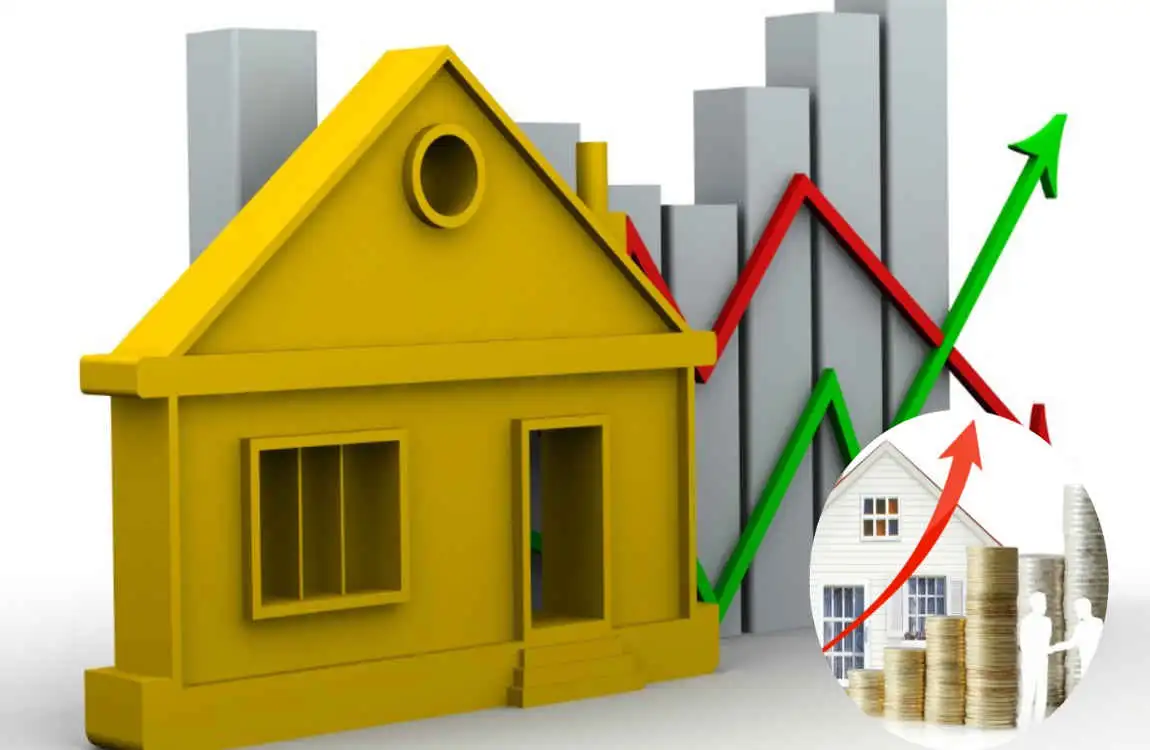
If you are buying a home, do not focus only on today’s asking prices.
Compare current listings with recent sales and examine neighborhood inventory. Think about mortgage affordability and the property’s long-term potential.
You should also consider whether the location suits your lifestyle and plans.
Most importantly, avoid making a major purchase based only on short-term predictions. Real estate markets can change, and no forecast is guaranteed.
Common Mistakes When Evaluating Home Value
Several mistakes can lead to unrealistic expectations.
- Relying only on the asking price instead of recent sold prices.
- Ignoring local market conditions and focusing only on national trends.
- Comparing dissimilar properties with different locations, sizes, or conditions.
- Overestimating renovation value without considering local buyer preferences.
- Ignoring interest rates and their effect on affordability.
- Assuming national trends apply everywhere.
- Failing to consider property condition and necessary repairs.
A realistic valuation should consider the complete picture.
Frequently Asked Questions
How does the real estate market affect home value?
The real estate market affects home values through supply and demand, interest rates, economic conditions, buyer confidence, and comparable sales.
When demand is strong and inventory is limited, prices may rise. When supply is high and demand is weak, prices may stabilize or decline.
Does a strong real estate market always increase home values?
Not necessarily.
A strong market generally supports higher prices, but individual properties can perform differently. Location, condition, layout, maintenance, and pricing strategy can all influence the final value.
Can home value decrease even when the house is well maintained?
Yes.
A home can be in excellent condition while its market value falls because of broader market conditions.
For example, reduced buyer demand, higher interest rates, or declining local employment can put pressure on property prices.
Do interest rates affect home prices?
Yes. Interest rates affect mortgage affordability and buyer purchasing power.
Higher rates can reduce the amount some buyers are willing or able to spend, while lower rates can encourage more purchasing activity.
What increases home value the most?
No single improvement guarantees the largest increase.
Generally, a desirable location, good property condition, functional space, strong curb appeal, and improvements that align with local buyer preferences can support value.
How often should I check my home’s value?
You do not necessarily need to check it every month.
It can be useful to review local market conditions periodically, particularly before selling, refinancing, purchasing another property, or making a major investment.
| Factor | How It Affects Home Value |
|---|---|
| Supply & Demand | High demand and limited homes can increase prices. |
| Interest Rates | Lower rates can improve affordability and boost buyer demand. |
| Location | Desirable neighborhoods often support higher property values. |
| Local Economy | Job growth and strong incomes can increase housing demand. |
| Home Condition | Well-maintained and updated homes usually attract higher offers. |
| Comparable Sales | Recent sales of similar homes help determine market value. |
| Market Trends | A rising market may increase values, while a declining market can reduce them. |
| Buyer Competition | More competing buyers can push a home’s selling price higher. |
