
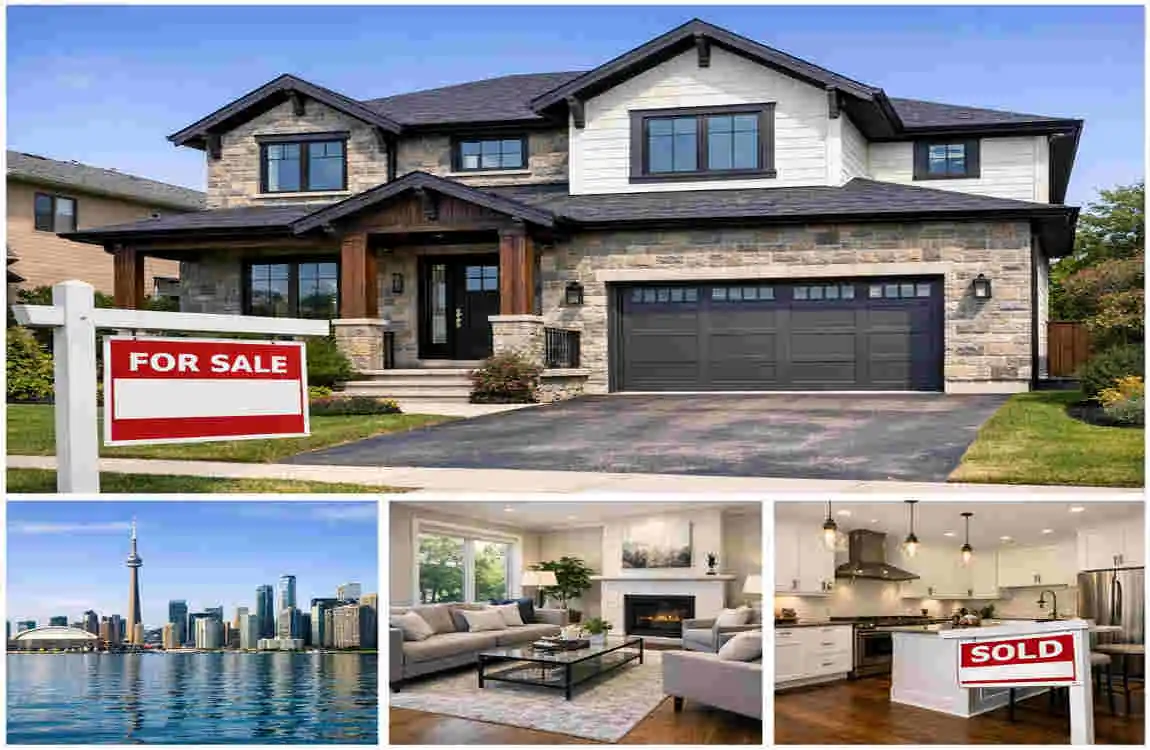
Homes move quickly in many parts of the city, and prices can vary widely from one neighborhood to another. Before you start browsing houses for sale in Toronto, it helps to understand the basics: your budget, the type of home you want, the market conditions, and the extra costs that come with buying.
A smart buyer does not look at the listing price alone. You also need to think about mortgage payments, property taxes, inspections, closing costs, and repairs. When you look at the full picture, you can make a better decision and avoid surprises later.
Toronto Real Estate Market: What Buyers Should Know
Current Toronto Housing Market Overview
Supply and demand, interest rates, buyer competition, and local neighborhood trends shape the Toronto property market. When there are more buyers than homes, prices usually rise. When more homes are available, buyers may have more room to negotiate.
This is why two homes in the same city can have very different prices. A house near a subway line, school, or popular shopping area may cost much more than a similar home in another part of Toronto.
You should also know the difference between a buyer’s market, a seller’s market, and a balanced market. In a seller’s market, buyers may face bidding wars. In a buyer’s market, there may be more room to negotiate. In a balanced market, supply and demand are closer together.
That is why it helps to follow the market closely rather than relying on outdated information.
Popular Toronto Property Types
There are several common types of homes for sale in Toronto, each suited to a different lifestyle and budget.
- Detached houses offer more privacy and space.
- Semi-detached homes often cost less than fully detached houses while still offering good room.
- Townhouses are popular with families and first-time buyers.
- Bungalows are useful for buyers who want fewer stairs and simpler layouts.
- Luxury homes usually offer premium finishes, larger lots, and high-end features.
- Investment properties can be attractive to buyers seeking rental income or long-term value growth.
The right choice depends on how you live now and what you want in the future.
Toronto Neighborhoods to Consider
Neighborhood choice matters just as much as the house itself. In Toronto, one area can feel very different from another.
When comparing neighborhoods, look at:
- Transportation and commute times
- School options
- Shopping and grocery access
- Parks and recreation
- Medical services
- Local feel and community style
It is also smart to compare neighborhood prices rather than just city-wide averages. A home in one part of Toronto may be much more affordable than a similar one in another part of the city.
How to Find a Toronto Real Estate House for Sale
Start With a Realistic Budget
Before you start viewing Toronto homes for sale, figure out what you can truly afford. This step is one of the most important parts of the process.
Your budget should include more than the price of the house. Think about:
- Mortgage payments
- Property taxes
- Home insurance
- Utilities
- Maintenance and repairs
- Renovation costs
- Moving expenses
It is also wise to leave some extra room in your budget for surprise repairs. A home may look great during a showing, but older systems can still need work after you move in.
Get Mortgage Pre-Approval
Mortgage pre-approval helps you understand how much money a lender may be willing to give you. It can make the house hunt easier because you will know your price range before you start shopping.
Lenders usually look at your:
- Income
- Credit history
- Existing debts
- Down payment
- Interest rate environment
This is different from pre-qualification, which is more of an early estimate. Pre-approval is usually stronger because the lender reviews more details.
If you are serious about finding a Toronto house for sale, this step can make you look more prepared to sellers, too.
Search by Location and Property Type
Once you know your budget, narrow your search by area and home style. This keeps you focused and saves time.
You can search by:
- Neighbourhood
- Price range
- Bedrooms and bathrooms
- Lot size
- Property type
- Parking needs
- School zone
Try to separate your must-haves from your nice-to-haves. That makes decision-making much easier.
Work With a Real Estate Professional
A good real estate agent can save you time and stress. They can help you understand listings, arrange showings, compare homes, and negotiate offers.
If you want to buy in Toronto, choose an agent who understands the Toronto residential real estate market well. Local experience matters because each neighborhood can behave differently.
What to Check Before Buying a Toronto House
Location and Neighborhood
Never judge a home only by the interior. The surrounding area matters as much.
Check how long it takes to get to work, school, or transit. Look at nearby grocery stores, parks, restaurants, and healthcare services. Also consider whether the neighborhood feels active, quiet, family-friendly, or urban.
You should also ask about future development. New projects nearby can change traffic, noise, and property value over time.
Property Condition
A home may look beautiful on the surface, but the important parts are often hidden. Carefully check the roof, foundation, windows, plumbing, electrical system, heating, cooling, and insulation.
Look for warning signs such as:
- Water damage
- Mould
- Cracks in walls or ceilings
- Pests
- Old repairs
- Signs of neglect
If a house has deferred maintenance, the asking price may not tell the whole story.
Home Inspection
A professional home inspection gives you a clearer idea of what you are buying. It can reveal problems that are easy to miss during a showing.
The inspector usually checks major systems and structural areas. If they find issues, you may be able to negotiate repairs or adjust your offer.
This step is especially valuable when buying homes for sale in Toronto, Ontario, where older houses are common in many areas.
Property History and Documents
Ask for as much property information as possible. Review renovations, additions, permits if applicable, and previous listing details.
If something is unclear, ask questions. Do not assume all updates were completed properly. This is especially important in older Toronto homes where changes may have happened over many years.
Costs of Buying a House in Toronto
Down Payment
The down payment is the money you put toward the home upfront. It lowers the amount you need to borrow.
How much you need depends on the purchase price and the financing rules that apply to your situation. Some buyers need a larger down payment than others.
This is one of the biggest concerns for first-time homebuyers when trying to buy a house in Toronto.
Mortgage Costs
Your mortgage includes the principal you borrow and the interest you pay over time. Some loans may also include mortgage insurance and lender-related fees.
Do not focus only on the monthly payment. Look at the full loan terms, interest rate, and any penalties or conditions that might matter later.
Closing Costs
Closing costs are the extra expenses that come with completing the purchase. These may include:
- Legal fees
- Title-related costs
- Inspection fees
- Land transfer tax
- Adjustment charges
- Other transaction costs
These expenses are separate from the down payment, so you should budget for them on top of the purchase price.
Property Taxes and Ongoing Expenses
Owning a house is not just about buying it. You also need to keep paying for it.
Common ongoing costs include:
- Property taxes
- Utilities
- Insurance
- Repairs
- Maintenance
- Future upgrades
You may also want to plan for unexpected costs, especially in older homes.
Toronto Land Transfer Tax
Toronto buyers may need to pay a municipal land transfer tax in addition to the provincial land transfer tax. This can add a significant amount to your final buying costs.
Because rates and rebates can change, always verify current rules before making an offer. This is one of the most important closing costs to understand early.
How to Make an Offer on a Toronto House
Compare Similar Properties
Before making an offer, compare similar homes in the same neighborhood. Look at recent sales, property condition, lot size, location, and special features.
This helps you understand whether the listing price is fair or if the home is priced aggressively.
Decide on the Offer Price
Do not assume the asking price is the right offer price. In a fast-moving market, a seller may get more than list price. In a slower market, you may have room to negotiate.
Your offer should reflect the market, the home’s condition, and your own budget.
Understand Offer Conditions
Many offers include conditions such as financing approval or a home inspection. These conditions protect the buyer if something important comes up.
You should discuss offer terms with your real estate and legal professionals so you understand what each condition means before signing.
Negotiating the Purchase
Negotiation is not only about price. You can also discuss the closing date, appliances, repairs, or other inclusions.
Try to stay calm during negotiations. Emotional decisions can lead to overpaying or missing better opportunities.
Closing the Deal and Moving Into Your Toronto Home

Finalize Financing
Before closing, make sure your mortgage is fully arranged. Lenders may review your finances again, so avoid major changes, such as taking on new large debts or changing jobs, if possible.
This helps keep the deal on track.
Legal and Closing Process
A real estate lawyer handles the legal side of the purchase. They review documents, complete the title transfer, and ensure the funds are handled correctly.
You will also handle taxes, paperwork, and the final closing steps. This part may feel technical, but your lawyer can guide you through it.
Final Walk-Through
Do one last walk-through before closing if possible. Check that the dream home is in the agreed condition and that any included items are still there.
This is your last chance to spot a problem before the sale becomes final.
After Closing
Once the home is yours, take a few practical steps:
- Change the locks if needed
- Set up utilities
- Confirm insurance
- Organize your documents
- Plan immediate repairs
- Start a basic maintenance routine
These small tasks can help your move feel smoother and more secure.
FAQ About Toronto Real Estate House for Sale
What is the best way to find a Toronto real estate house for sale?
Start with your budget, then compare neighborhoods, follow new listings, and work with a local real estate professional who knows the market well.
Is buying a house in Toronto a good investment?
It can be, but it depends on your purchase price, location, financing, and long-term goals. Real estate can be a strong asset, but it is not risk-free.
How much money do I need to buy a house in Toronto?
That depends on the home price, down payment, mortgage costs, closing costs, taxes, and other expenses. You should calculate the full cost, not just the down payment.
What should I look for when buying a house in Toronto?
Focus on location, neighborhood amenities, property condition, transport access, lot size, maintenance needs, and resale value.
Do I need a home inspection before buying a house in Toronto?
A home inspection is very helpful because it can reveal hidden issues with the structure or systems. It gives you better information before you commit.
What are the highest costs when buying a house in Toronto?
The highest costs are usually the home price, down payment, mortgage, land transfer taxes, legal fees, inspection costs, and future maintenance.
Should first-time buyers consider houses in Toronto outside the downtown area?
Yes. Looking beyond downtown can give you more choices, better value, and different property types that may better fit your needs.
What is the first step when looking for a Toronto house for sale?
Start by setting your budget and getting a clear picture of your financing options. After that, narrow your search by location and home type.
| Topic | Quick Information |
|---|---|
| Location | Toronto, Ontario, Canada |
| Property Types | Detached homes, semi-detached houses, townhomes, and condos |
| Price Range | Varies widely by neighborhood, size, condition, and market conditions |
| Popular Areas | North York, Scarborough, Etobicoke, East York, and Downtown Toronto |
| Key Buying Factors | Budget, location, property condition, lot size, schools, and transportation |
| Extra Costs | Land transfer tax, legal fees, inspection, insurance, and moving costs |
| Best Approach | Compare multiple listings and review recent local market data before making an offer |
| Buyer Tip | Get mortgage pre-approval and arrange a professional home inspection before purchasing |
