
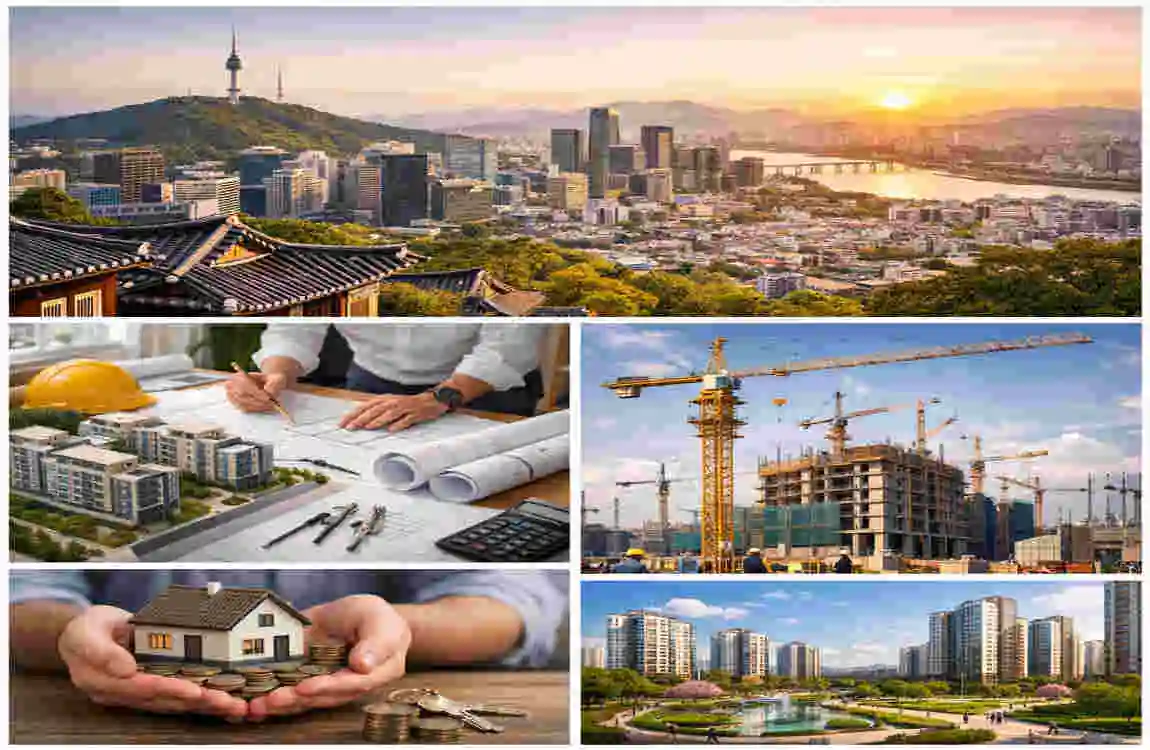
South Korea’s real estate development is a major part of the country’s economy and urban growth. It shapes the look of cities, the supply of homes, the rise of office buildings, and the growth of shopping and logistics spaces.
If you look at South Korea today, you can see a market that is fast-moving, highly organized, and deeply connected to technology. Seoul leads much of the activity, but other cities also play a big role. That is why this market attracts attention from investors, developers, homebuyers, and businesses.
This topic matters because property development in South Korea is not only about building houses. It also includes apartments, office towers, retail centers, industrial sites, mixed-use projects, and redevelopment zones. Each part of the market follows its own rules, but they are all connected.
South Korea Real Estate Development Market Overview
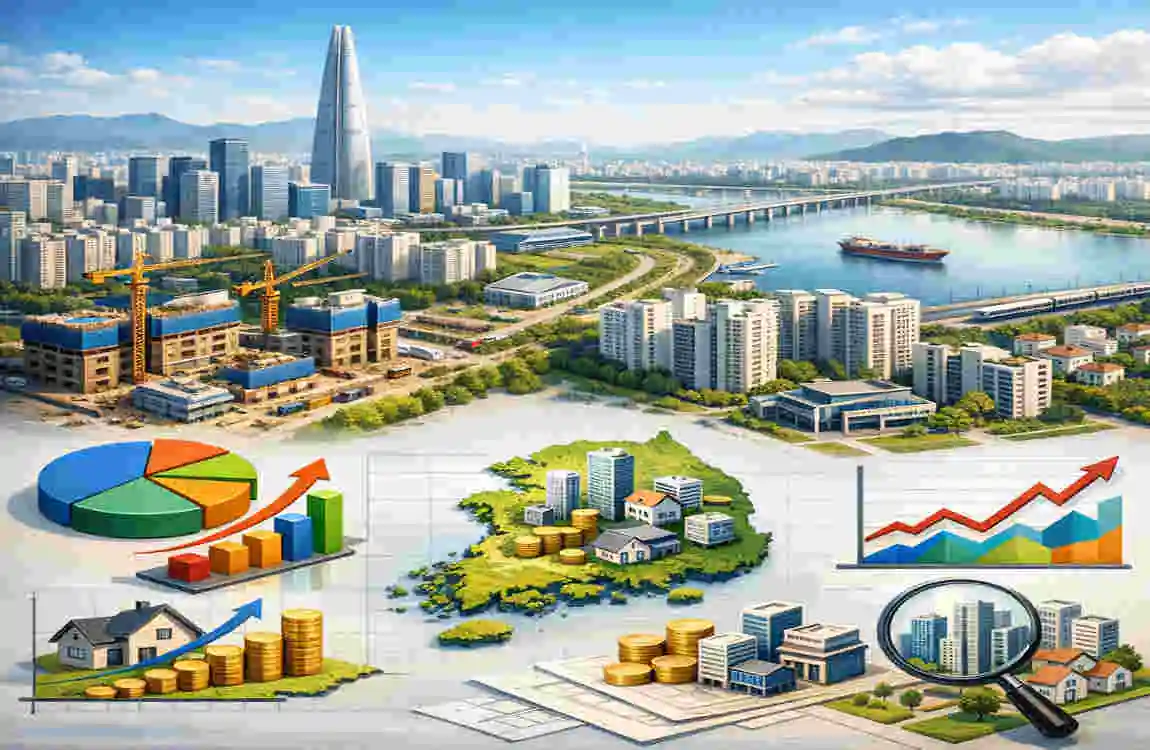
Current structure of the property development market
The South Korean property market is broad and mature. Developers do not focus on just one type of project. Instead, they work across several areas depending on demand and location.
Residential development
Residential projects are very important, especially in major cities. Apartment buildings are a common choice because they suit urban density and land constraints. Many buyers in South Korea prefer apartments because they are practical, efficient, and close to schools, transit, and services.
Commercial and office development
Commercial development includes office buildings, business centers, and mixed business properties. These projects are often concentrated in central business districts or growing satellite areas. They support companies that need modern workspaces and strong transport access.
Retail, industrial, and logistics properties
Retail development covers shopping centers, neighborhood commercial spaces, and mixed retail projects. Industrial and logistics property development has also grown in importance, especially with the rise of online shopping and delivery.
These properties need good road access, storage efficiency, and strong distribution links.
Mixed-use developments
Mixed-use projects combine several functions in one place. A single site may include homes, shops, offices, and public areas. This model is popular because it creates convenience and supports busy city life.
Major cities and development areas
Seoul metropolitan area
The Seoul metropolitan area is the center of South Korea’s real estate activity. It has high demand, strong infrastructure, and many redevelopment opportunities. Land is limited, so developers often build upward or redevelop existing sites.
Busan
Busan is a major port city with growing urban and commercial potential. It supports residential, logistics, and mixed-use development. Its coastal location also adds value in some areas.
Incheon
Incheon has benefited from airport access, logistics growth, and new urban districts. It is often seen as a practical location for modern development projects.
Daejeon and Daegu
These cities play important regional roles. They may not match Seoul in scale, but they offer strong local demand and development opportunities tied to education, government, business, and regional living needs.
Emerging development zones
New development zones often appear around transit routes, new business districts, or redevelopment areas. These places can become important future growth centers.
Key trends shaping development
Several major trends shape South Korea’s development market:
- Urban redevelopment
- Smart city planning
- Sustainable construction
- Transit-oriented development
- Demand for modern housing
These trends show that the market is not standing still. It keeps adapting to new needs, new technology, and changing lifestyles.
How Real Estate Development Works in South Korea
Finding and evaluating development land
Every project starts with land. In South Korea, land selection matters because location affects value, demand, and development limits.
Location and accessibility
Good land is usually close to transit, jobs, schools, and services. In dense cities, even a small site can be valuable if it is well connected.
Zoning and land use
Before buying or developing land, a developer must check what the land can legally be used for. Some land suits homes, some commercial use, and some industrial or mixed-use projects.
Infrastructure availability
Water, power, roads, drainage, and transport access all affect whether a project is practical. Good infrastructure lowers risk and improves market appeal.
Market demand
A developer also needs to know who will buy, rent, or use the property. Strong demand makes a project more viable.
Planning and project feasibility
Feasibility is one of the most important parts of South Korean real estate development. A site may look promising, but a project still needs to make financial sense.
Market research
Developers study local demand, nearby property values, vacancy rates, and future growth patterns. This helps them choose the right product.
Development costs
The team must estimate land, design, construction, financing, tax, and marketing costs.
Expected revenue
A project must generate enough income from sales or rent to cover expenses and leave room for profit.
Risk assessment
The developer should also think about delays, rising material costs, changing regulations, and market swings.
Construction and project management
Once a project is approved, construction begins. This stage requires planning, supervision, and quality control.
Design and planning
Architects and engineers create the building design, floor plan, structure, and technical systems.
Contractor selection
The contractor must be reliable, experienced, and able to complete the job on schedule and budget.
Construction stages
Projects usually move through site preparation, structural work, exterior completion, interior finishing, and final inspection.
Safety and quality
Safety rules are very important. A project also needs good quality control, so the final building meets standards and buyer expectations.
Completion and handover
Once construction is finished, the property is inspected and handed over to the buyer, tenant, or owner.
Regulations, Zoning, and Legal Requirements
Land use and zoning rules
South Korea has land classifications and local planning rules that affect what can be built. These rules matter because they shape a project’s size, purpose, and design.
A developer must understand whether land is intended for residential, commercial, industrial, agricultural, or mixed use. Building restrictions may also control height, density, setbacks, and design.
Permits and approvals
Before construction begins, developers usually need approvals from local authorities. These may include:
- Building permits
- Environmental approvals
- Infrastructure approvals
- Local planning review
The process can take time, so developers must plan early. Approval delays can slow the whole project.
Foreign investment considerations
Foreign investors often ask whether they can participate in South Korean property development. In general, overseas investors can participate, but they must follow local ownership, legal, tax, and reporting rules.
It is always wise to get professional legal and tax advice before entering the market. Real estate rules can change, and the details matter.
Why legal compliance matters
Legal compliance protects the project from delays, fines, and disputes. A development that ignores planning rules can become costly very quickly.
That is why serious developers treat permits and legal review as part of the core business process, not as an afterthought.
Financing and Costs of Real Estate Development
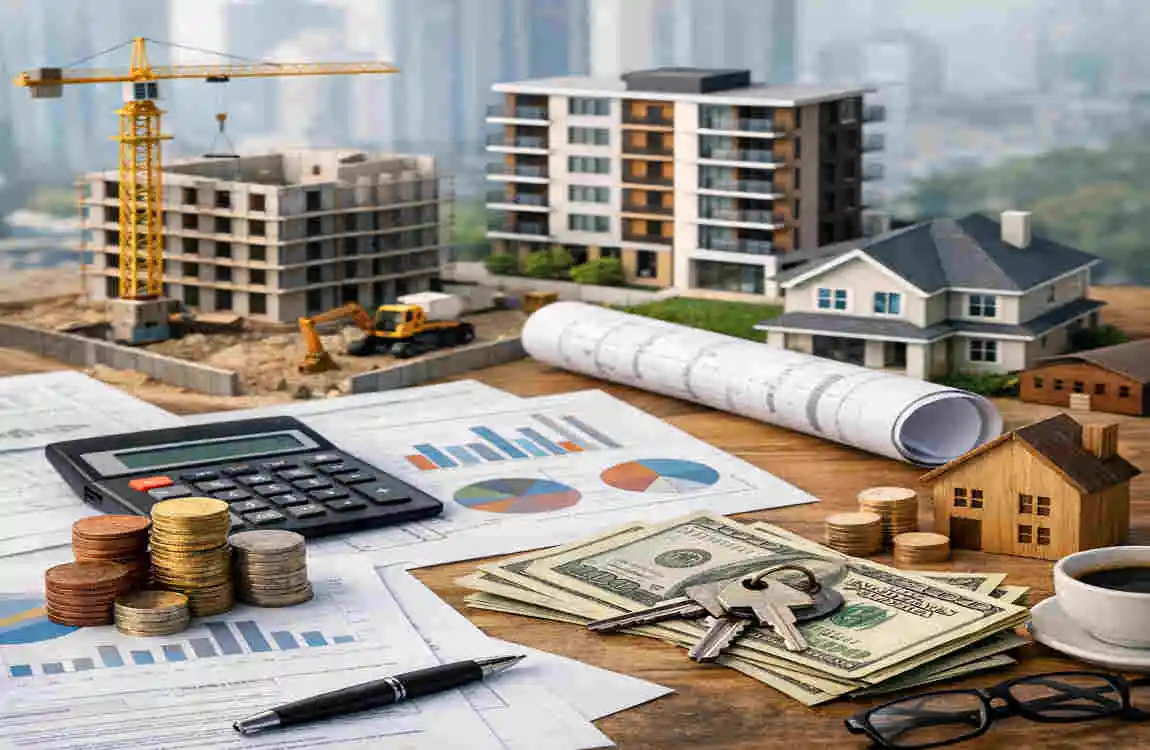
Common development financing options
Most projects need outside funding. Very few developers pay for everything in cash.
Bank loans
Banks can provide loans for land purchase, construction, or both. These loans usually depend on the project’s strength and the borrower’s credibility.
Project financing
Project financing is tied to the development’s expected cash flow. It is often used for larger or more structured projects.
Equity investment
Some projects use equity from investors who want to share in the profit. This can reduce debt pressure but may also reduce ownership share.
Partnerships and joint ventures
Joint ventures are common in larger developments. A landowner, developer, and investor may work together to share risk and return.
Major development costs
Development costs are not just about construction. A full budget usually includes many parts.
Main cost categories
- Land acquisition
- Architecture and design
- Construction labor and materials
- Infrastructure work
- Permits and approvals
- Taxes and fees
- Financing costs
- Marketing and sales costs
If any of these areas run over budget, profitability can drop quickly.
Understanding profitability and risk
A development project only works if the expected return is strong enough. The developer must compare total cost with expected sales or rental income.
Main risk factors
- Higher-than-expected land prices
- Construction delays
- Financing cost increases
- Weak demand
- Market price drops
- Regulatory changes
Good planning helps reduce these risks, but it does not remove them completely.
Major Trends and Future of South Korea Real Estate Development
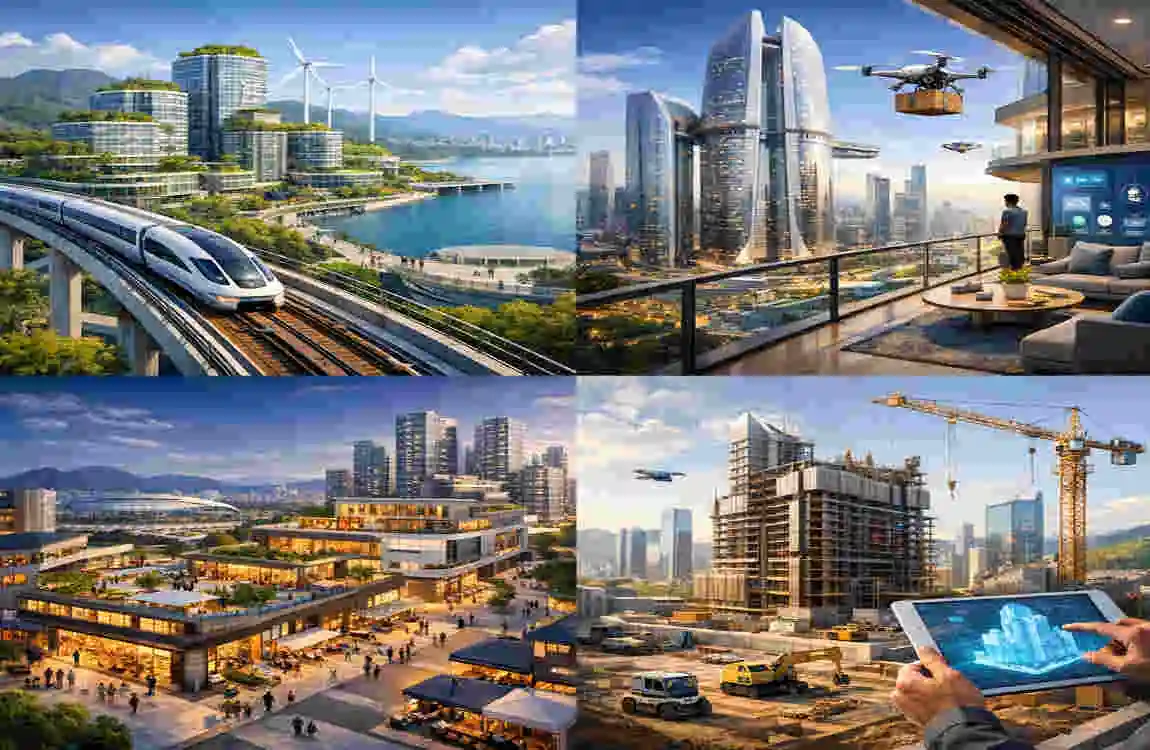
Smart and technology-driven development
South Korea is known for technology, and that influence is visible in property development too. Many new buildings include digital systems and smart features.
Smart buildings
Smart buildings may use automated controls for lighting, climate, security, and energy use. These features improve comfort and efficiency.
Digital property management
Building management is becoming more connected. Owners and managers can monitor systems and maintenance more easily.
Connected infrastructure
Some new districts are designed with digital services, traffic systems, and smart utility planning in mind.
Sustainable and green development
Sustainability is now a major issue in global real estate, and South Korea is part of that shift.
Common green features
- Energy-efficient buildings
- Renewable energy systems
- Green materials
- Water-saving design
- Better insulation and ventilation
These choices can lower operating costs and support long-term value.
Urban regeneration and redevelopment
South Korea has many older neighborhoods and aging buildings that are being renewed. Redevelopment is a major opportunity in this market.
Why redevelopment matters
Older areas often have strong locations but outdated buildings. Redevelopment can improve housing supply, infrastructure, and neighborhood quality.
Transit-linked projects are especially important because they connect homes and businesses to the wider city more efficiently.
Future opportunities and challenges
The future of South Korea real estate development will likely be shaped by several forces:
- Changing demographics
- Housing demand
- Interest rate conditions
- Construction costs
- Regional differences
- Technology adoption
Developers who understand these shifts will be better prepared for long-term success.
FAQ About South Korea Real Estate Development
Is South Korea a good market for real estate development?
It can be, especially for people who understand the market, local rules, and demand patterns. Location, project type, and timing matter.
What are the main types of real estate development in South Korea?
The main types include residential, commercial, industrial, logistics, and mixed-use developments.
Which cities have the most real estate development activity?
Seoul and the surrounding metropolitan area lead the market, but Busan, Incheon, Daejeon, and Daegu also matter.
Can foreigners invest in South Korean real estate development?
In general, yes, but they must follow local legal, tax, and ownership rules. Professional advice is important.
How is real estate development financed in South Korea?
Common financing methods include bank loans, project financing, equity investment, and joint ventures.
What are the biggest risks in South Korea real estate development?
The biggest risks usually involve land cost, regulation, financing, construction delays, and market changes.
What trends will shape South Korea’s property development future?
The biggest trends are smart cities, sustainability, redevelopment, technology, and demographic change.
| Topic | Key Information |
|---|---|
| Market Focus | Residential, commercial, mixed-use, and urban redevelopment |
| Major Areas | Seoul, Busan, Incheon, Gyeonggi, and major metropolitan regions |
| Development Types | Apartments, offices, retail centers, logistics facilities, and mixed-use complexes |
| Key Developers | Large construction and development companies, local firms, and investment groups |
| Planning | Land acquisition, zoning review, design, permits, financing, and construction |
| Government Role | Land-use planning, housing policies, development regulations, and infrastructure |
