
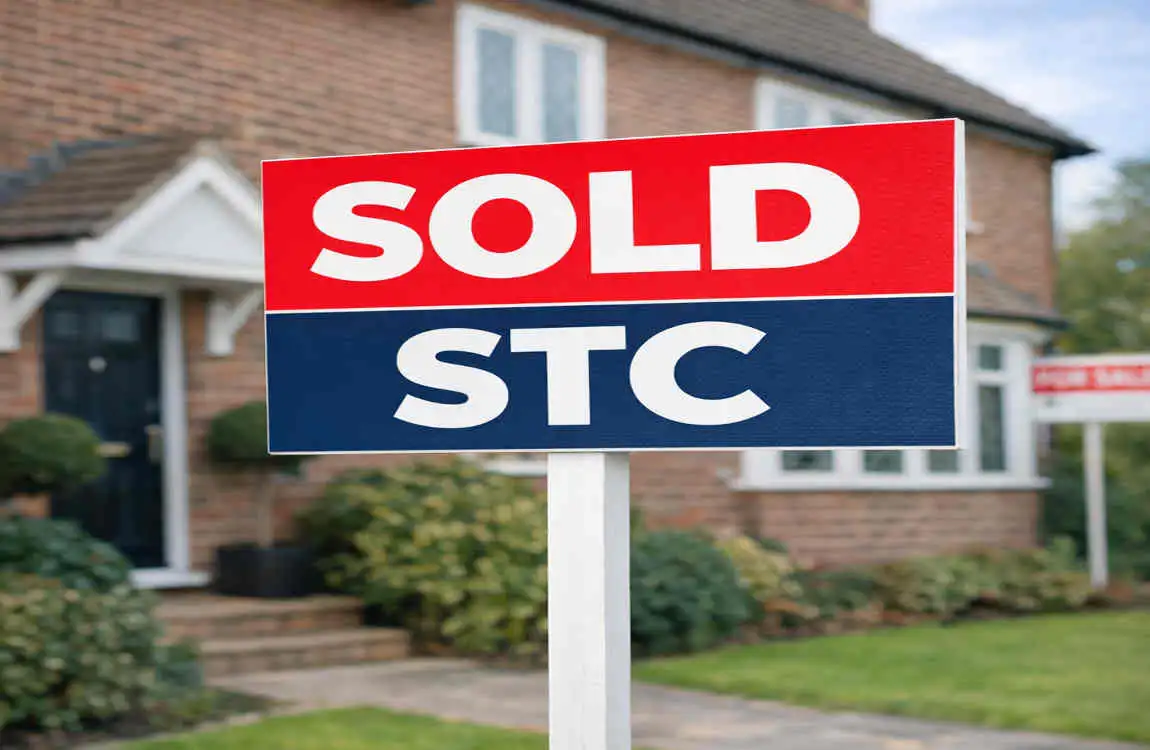
When you are looking at property listings, you may see the letters STC and wonder what they mean. If you are asking what STC means in real estate, the short answer is “Subject to Contract.”
That sounds formal, but the idea is simple. It usually means an offer has been accepted, but the deal is not final yet. The property is still moving through the legal process, so the sale is not fully complete.
This matters because many buyers and sellers assume that once a property is marked STC, the process is complete. In reality, there are still important steps ahead. Understanding this term can help you make better decisions, avoid confusion, and know what stage the sale is really at.
What Does STC Mean in Real Estate?

A simple definition
STC stands for Subject to Contract. In property sales, it means the seller has accepted an offer, but the final contract has not yet been signed.
At this stage, both sides have shown interest and agreed in principle, but the sale is not legally complete. The deal can still change before contracts are exchanged.
Where you will usually see it
You will often see STC in:
- Estate agent listings
- Property websites
- For-sale boards
- Sales updates from agents
It is a common term in the UK property market, used to indicate that a property is under offer but not yet sold.
Why it matters
Knowing what STC means helps you understand how far along the transaction is. If you are a buyer, it tells you the home is not fully off the market yet. If you are a seller, it helps you see that the process still needs care and attention.
This small phrase can make a big difference in how you plan your next step.
How Does Subject to Contract Work?
What happens after an offer is accepted?
When a buyer makes an offer and the seller accepts it, the property may be marked STC. That means the basic deal has been agreed, but the legal work is still underway.
At this point, the buyer and seller usually start moving through the legal process. This can include mortgage checks, property searches, surveys, and contract review.
Offer accepted vs completed sale
These two stages are not the same.
An accepted offer means the seller is happy with the price or terms in principle. A completed sale means the entire legal process has finished and the property has officially changed hands.
That gap between acceptance and completion is where STC sits.
Why the contract is important
The contract is what turns a simple agreement into a legally binding deal. Before that happens, either side may still withdraw or face delays.
This is why the legal stage matters so much. It sets out the final terms, responsibilities, and timing for both parties.
What usually happens next
Once the offer is accepted, the process often moves through these steps:
- The buyer instructs a solicitor or conveyancer
- Property searches begin
- A survey may be arranged
- Mortgage arrangements continue
- The contract is reviewed
- Exchange of contracts takes place
- Completion follows later
Each step brings the deal closer to being final.
STC vs Sold: What Is the Difference?
STC does not always mean sold
This is one of the most important things to understand. STC does not necessarily mean sold.
A property marked STC may still fall through if financing fails, surveys reveal problems, or one side changes their mind before the contract is fully signed.
Common property status terms
Here is a simple comparison of the main terms you may see.
Property Status General Meaning
For Sale Property is actively available
Under Offer An offer has been received
STC Offer accepted, but contract is not yet final
Exchanged Contracts have legally been exchanged
Completed Sale has legally completed
Under offer vs STC
These two terms are often close, but they are not always used in the same way.
Under offer usually means someone has made an offer and it is being considered.
STC usually means the offer has been accepted, but the legal paperwork is still moving forward.
Exchange of contracts
This is a very important stage. Once contracts are exchanged, the deal becomes legally binding. Before that, STC is still only a step in the process.
Completed or sold
A property is only truly sold when completion happens. That is when ownership changes hands, and the sale is complete.
So if you are asking what STC means in real estate, remember this: it is an in-between stage, not the final one.
What Does STC Mean for Buyers?
What buyers should expect
If a property is marked STC, it usually means someone else’s offer has been accepted. But that does not always mean the home is completely out of reach.
The property may still be available for backup interest, depending on the seller and the estate agent’s approach.
Can you still make an offer?
In some cases, yes. You can put in a backup offer if the seller is open to it. This is more common when a buyer wants to stay in the running in case the first deal fails.
That said, the decision is up to the seller and agent. Some may welcome additional interest, while others may not.
What a buyer should do next
If you are interested in an STC property, do not rush. Instead, focus on being ready.
A smart buyer will:
- Arrange a mortgage in principle
- Prepare solicitor or conveyancer details
- Understand the survey process
- Review property information carefully
- Stay in contact with the estate agent
Being prepared can help you move quickly if the property becomes available again.
Why the deal can still fall through
Even after STC, the sale can still fail. Common reasons include:
- Mortgage problems
- Survey issues
- Legal delays
- Buyer or seller changing their mind
- Problems found during searches
This is why STC should never be treated as a final sale.
Why legal help matters
A solicitor or conveyancer plays a key role in checking the legal side of the purchase. They help review the contract, handle searches, and guide the process toward exchange and completion.
If you are a buyer, this support is very important. It helps you understand what you are committing to and protects you from avoidable mistakes.
What Does STC Mean for Sellers?
Why sellers use STC
For sellers, marking a property as STC shows that an offer has been accepted and the deal is moving forward. This can help signal progress to the market.
It also tells other buyers that the home may no longer be freely available, even though the sale is not yet fully complete.
What still needs to happen
A seller is not done once an offer is accepted. The next steps still matter.
The seller may need to:
- Provide documents
- Respond to solicitor queries
- Allow surveys or inspections
- Stay in contact with the estate agent
- Wait for the legal process to progress
Staying responsive can help avoid delays.
Why buyers may still pull out
Even after a seller accepts an offer, the buyer may still withdraw before exchange. That is one of the main reasons STC is not the same as sold.
If the buyer has second thoughts, fails to secure finance, or finds an issue in the survey, the transaction may stop.
Why the property may still appear online
Sometimes a property stays visible online while marked STC. This happens because the sale has not yet legally completed, so the listing may still be shown with the STC status.
That can confuse people, but it is a normal part of the process.
Good communication helps
Sellers should keep in touch with:
- The estate agent
- Their solicitor or conveyancer
- Any relevant professionals involved in the sale
Clear communication helps keep the process moving and reduces the risk of avoidable delays.
Common STC Mistakes and Important Things to Know
Assuming STC means the property is sold
This is one of the biggest mistakes people make. A property marked STC is not always finished.
If you assume the deal is done too early, you may make decisions based on incomplete information.
Making financial commitments too early
Buyers should be careful not to commit too much money too soon. Sellers should also avoid planning as if the sale is guaranteed before the legal stage is complete.
It is better to wait until the process is further along before making major commitments.
Ignoring checks and paperwork
The legal and practical checks matter. Searches, surveys, financing arrangements, and contract review all help protect both the buyer and the seller.
Skipping them can lead to problems later.
Confusing STC with exchange
This is another common mistake. STC is not an exchange of contracts.
Once contracts are exchanged, the sale becomes legally binding. That is a much stronger stage than STC.
Simple comparison of the stages
- For Sale means the property is available
- Under Offer means an offer is being considered
- STC means the offer has been accepted, but the contract is not final
- Exchanged means the legal contract is now binding
- Completed means the sale is finished
Understanding this chain helps you avoid confusion.
FAQs About STC in Real Estate
What does STC mean in real estate?
STC means Subject to Contract. It usually means the seller has accepted an offer, but the final contract has not yet been signed.
Can you make an offer on a property that is STC?
Sometimes yes, but it depends on the seller, the agent, and the local practice. In some cases, backup offers may be accepted.
Is STC the same as sold?
No. STC is not the same as a completed sale. The property is still going through the legal process.
Can an STC property sale fall through?
Yes. A sale can fail before exchange for many reasons, including finance problems, survey issues, legal delays, or a buyer changing their mind.
How long can a property remain STC?
There is no fixed timeline. It depends on mortgage progress, searches, solicitor work, and how smoothly the transaction moves.
Should I buy a property marked STC?
If you are interested, you should stay prepared and speak with the agent. You may still be able to show interest or make a backup offer.
What happens after STC?
After STC, the process usually moves through legal checks, contract review, exchange of contracts, and then completion.
| STC Term | Meaning | What It Indicates |
|---|---|---|
| STC | Subject to Contract | An offer has been accepted, but the deal is not legally final yet. |
| STC Property | Property under agreed terms | Buyer and seller have agreed on key terms, pending contract completion. |
| Legal Status | Not yet legally binding | Contracts still need to be completed and exchanged. |
| Buyer’s Position | Offer accepted | The buyer can continue with surveys, financing, and legal checks. |
| Seller’s Position | Sale progressing | The seller generally continues toward completing the transaction. |
| Main Risk | Deal can fall through | Either side may potentially withdraw before contracts are exchanged, depending on local law. |
| Next Step | Exchange contracts | Once contracts are exchanged, the transaction becomes legally binding in jurisdictions such as England and Wales. |
