

Real estate is part of everyday life in a very real way. We all live somewhere, work somewhere, or use places that are built on land. That is why real estate matters so much. It affects where you live, how businesses run, and how people build wealth over time.
Many people become interested in real estate because they want a home of their own or because they see it as a smart investment. It is one of the most talked-about parts of the economy, and for good reason. A property can give you shelter, rental income, and long-term value.
So, what is the definition of real estate? In simple words, real estate means land and anything permanently attached to it, such as houses, buildings, and natural resources. It is immovable property, which means it cannot be moved like a car or a piece of furniture.
What Is Real Estate?
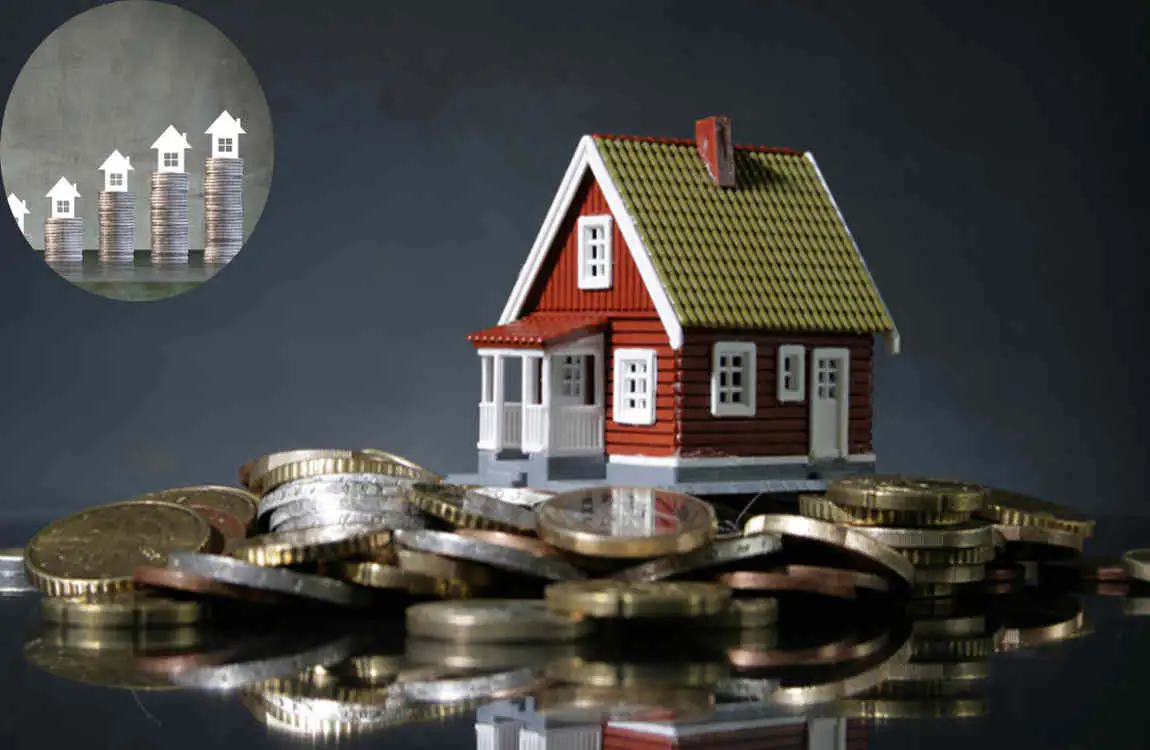
Real estate is the land itself and everything that is permanently built, attached, or growing on it. This includes homes, office buildings, roads, fences, and even natural things like trees, water, or minerals on the land.
The word has both legal and economic meanings. Legally, it refers to property connected to land. Economically, it is seen as a valuable asset that can be bought, sold, rented, or developed.
The most important thing to remember is this: real estate is fixed in place. You can move a chair, but you cannot move the land it sits on. That is why real estate is often called immovable property.
Simple Definition
Real estate = land + permanent structures + attached natural resources
That simple idea helps explain almost everything else about the topic.
Types of Real Estate
Real estate comes in different forms. Each type serves a different purpose, and each one has its own value.
Residential Real Estate
This is the type most people know best. It includes houses, apartments, villas, and condominiums. People use residential property for living.
Commercial Real Estate
This includes places used for business, such as offices, shops, malls, and restaurants. These properties help companies operate and serve customers.
Industrial Real Estate
This type includes factories, warehouses, and storage facilities. Businesses use them for production, packaging, and distribution.
Land
Land can be vacant plots, farmland, or undeveloped property. It may not have buildings on it yet, but it still has value and future use.
Type of Real Estate Examples Main Use
Residential Houses, apartments, villas Living
Commercial Offices, shops, malls Business
Industrial Warehouses, factories, Production and storage
Land Empty plots, farmland Future development or farming
Key Components of Real Estate
Real estate is not just the land itself. A few important parts help determine its value.
Land Value
The land is the base of everything. Its size, shape, and location play a significant role in its value.
Improvements
These are changes made to the land, such as buildings, roads, water systems, and electricity lines. Improvements usually increase the property’s worth.
Fixtures and Fittings
Some items attached to the property, such as built-in cabinets, lighting, or plumbing systems, may also be part of the property’s value.
Location
Location is one of the biggest factors in real estate. A home near schools, transport, shops, and hospitals usually has more value than one in a remote area.
How Real Estate Works
Real estate works through buying, selling, renting, and developing property. People usually enter the market to buy a home, invest money, or start a business.
Buying and Selling
The buyer and seller agree on a price, and the property changes ownership through a legal process. This process often includes inspection, valuation, paperwork, and final transfer.
Role of Real Estate Agents
Agents help buyers and sellers find the right property, set prices, and handle negotiations. They make the process easier and faster.
Property Valuation
Before a property is sold, it is often valued. This means estimating its value based on its location, size, condition, and market demand.
Demand and Supply
As with most things, real estate prices change depending on supply and demand. If many people want homes in one area, prices often rise. If there are too many properties and too few buyers, prices may fall.
Importance of Real Estate
Real estate is important for many reasons. It is not only about owning land or a house. It supports daily life and the economy.
Why It Matters
- It provides shelter for individuals and families.
- It creates jobs in construction, sales, management, and maintenance.
- It supports business growth by giving companies space to operate.
- It helps build wealth over time through ownership and appreciation.
For many people, real estate is one of the biggest purchases they will ever make. For others, it is a long-term way to grow money steadily.
Real Estate as an Investment
Many people invest in real estate because it can offer both growth and income.
Benefits of Investing
A property may increase in value over time, which is called appreciation. In addition, a rental property can produce monthly income.
Risks to Know
Real estate is not risk-free. Prices can go up and down, tenants may delay rent, and maintenance can be expensive. That is why smart planning matters.
Compared to Other Investments
Real estate is often seen as more stable than some other assets, but it is also less liquid. That means you cannot always sell it quickly when you need cash.
Factors That Affect Real Estate Value

Several things can raise or lower property value.
- Location
- Market trends
- Infrastructure development
- Legal status of the property
- Property condition
A well-located property with strong legal papers and good access to roads, schools, and services usually performs better in the market.
Advantages and Disadvantages
Advantages
- Stable asset
- Possible passive income
- Long-term value growth
Disadvantages
- High upfront cost
- Maintenance responsibilities
- Market changes
Real estate can be rewarding, but it also needs careful handling.
FAQs
What is the definition of real estate?
Real estate refers to land and any permanent structures attached to it, including houses, buildings, and natural resources.
What are the main types of real estate?
The main types are residential, commercial, industrial, and land.
Is real estate a good investment?
Yes, it is often seen as a stable long-term investment with the chance for value growth and rental income.
What is the difference between real estate and property?
Real estate typically refers to land and buildings, whereas property can encompass a broader range of assets.
Why is location important in real estate?
Location affects value, demand, and future growth, which is why it matters so much.
| Topic | Explanation |
|---|---|
| Real Estate Definition | Real estate refers to land and anything permanently attached to it, such as houses, buildings, and natural resources. |
| Meaning of Real Estate | It means owning, buying, selling, or renting land and property for residential, commercial, or industrial use. |
| Home Property | A home property is a type of real estate used for living purposes, such as houses, apartments, villas, or flats. |
| Types of Real Estate | Residential, commercial, industrial, and land (vacant plots). |
| Key Purpose | Used for living, business operations, investment, and income generation. |
| Example | A house, apartment building, or piece of land owned by an individual or company. |
