
Buying a home is exciting, but it also comes with a lot of questions. One of the most important steps in the process is the home inspection. This is the point where a trained professional checks the property’s visible condition and looks for signs of problems that may need repair.
The cost of a home inspection is one of the first expenses many buyers want to understand. The price can vary based on the home’s size, location, age, and whether additional testing is needed. In simple terms, the inspection cost is not the same for every house.
What Is a Real Estate Home Inspection?
Definition of a Home Inspection
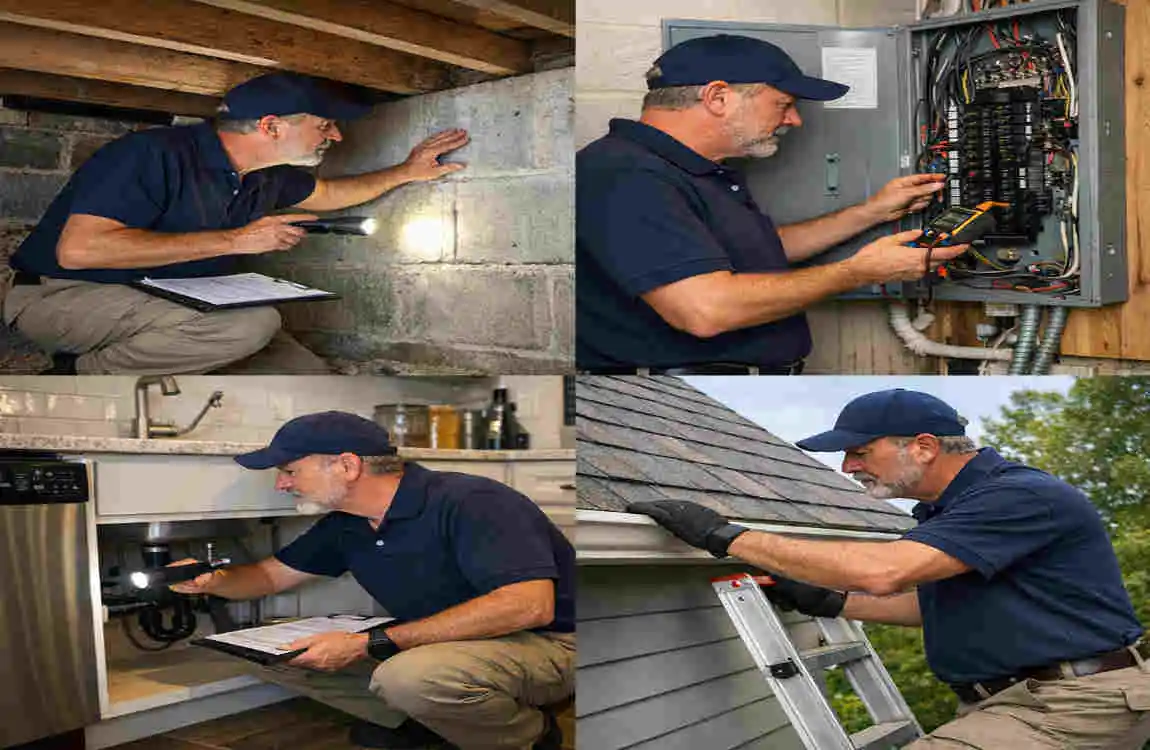
A home inspection is a professional review of a property’s visible and accessible parts. The inspector does not open walls or perform destructive testing. Instead, they examine what can be seen safely.
The goal is to identify problems, safety concerns, and signs of wear that may affect the home’s value or livability. For buyers, this gives a clearer picture of the property before the deal is finalized.
What Does a Home Inspector Check?
A standard inspection usually covers the main systems and surfaces of the home, including:
- Roof and attic
- Foundation and structural parts
- Electrical system
- Plumbing
- Heating and cooling systems
- Walls, ceilings, floors, doors, and windows
- Exterior areas and drainage
- Basic safety features
This is a practical check, not a full repair estimate. It helps you understand the condition of the home at the time of inspection.
What a Home Inspection Does Not Usually Include
A standard inspection has limits. It usually does not include hidden damage, specialized lab testing, or comprehensive evaluations of every system in the house.
For example, concerns about mold, pests, radon, sewer lines, or septic systems often require separate inspections. That is why some buyers choose add-ons based on the property’s location and condition.
Average Real Estate Home Inspection Cost
Typical Home Inspection Price Range
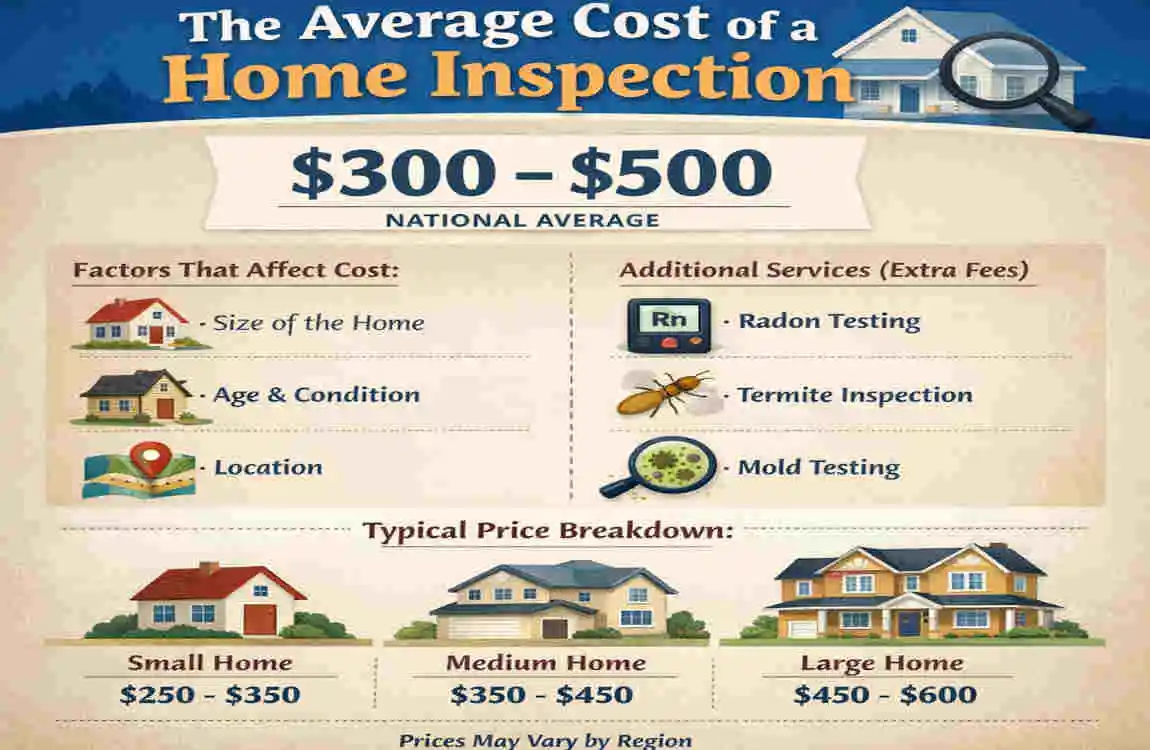
The cost of a home inspection varies, but most buyers can expect to pay a few hundred dollars for a standard inspection. In general, smaller and simpler homes cost less, while larger or more complex homes cost more.
There is no single national price that fits every property. The final cost depends on the home itself, the local market, and the inspector’s services.
Home Inspection Cost by Property Size
Larger homes usually take more time to inspect, which often means a higher fee. Here is a simple general comparison:
Property Type Approximate Cost Range
Small home/condo Lower end of the range
Average-sized single-family home Moderate range
Large home Higher range
Luxury or complex property Highest range
This table is only a rough guide. Prices can vary a lot by region and property condition.
Cost Differences by Location
Where you live matters; in areas with high labor costs or busy real estate markets, inspection prices are often higher. In smaller towns or lower-cost markets, prices may be more modest.
That is why it is better to compare local inspectors rather than rely solely on broad national averages. Local experience also matters, especially if the area has older homes, storm risks, or special building styles.
Buyer vs. Seller: Who Pays?
In most home purchases, the buyer pays for the standard inspection. This makes sense because the inspection is mainly for the buyer’s benefit.
Sometimes a seller may arrange an inspection before listing the home. This can help them find problems early and make the property easier to sell. Even then, buyers often choose to get their own inspection as well.
Factors That Affect Home Inspection Costs
Property Size and Age
A bigger home usually takes longer to inspect. More rooms, more systems, and more exterior space mean more work for the inspector.
Older homes may also cost more to inspect because they often need extra attention. Aging wiring, older plumbing, and worn roofing can require closer review.
Type of Property
Different property types may have different inspection needs:
- Single-family homes are the most common and usually straightforward
- Condominiums may involve less exterior inspection
- Townhouses can have shared walls and shared systems
- Multi-unit properties often require more time
- New construction homes still need checks, even if everything looks new
The more complex the property, the more likely the cost will rise.
Inspection Scope
A basic inspection focuses on the main visible systems. A more detailed inspection may take longer and include extra tools or more thorough reporting.
If you want a wider scope, the price can increase. Still, that may be a smart choice if the home has known risks or unusual features.
Additional Testing and Services
Some properties need special add-ons. These are not always required, but they can be helpful in the right situation.
Common extra services include:
- Radon testing
- Mold assessment
- Pest inspection
- Sewer scope inspection
- Septic inspection
- Well-water testing
- Chimney inspection
These services add to the total cost, but they can also uncover hidden problems that a basic inspection may not catch.
Accessibility and Property Condition
Some homes are harder to inspect than others. Crawl spaces, tight attics, steep roofs, detached buildings, and unusual layouts can all increase inspection time.
If a property is neglected or in poor condition, the inspection may also take longer. More time usually means a higher fee.
What Does a Home Inspection Include?
Structural Components
The inspector looks for signs that the home’s structure is stable and in good condition. This includes the foundation, framing, and any visible structural concerns.
They also watch for signs of water intrusion, since water damage can affect the whole building over time.
Roofing and Exterior
The roof and exterior protect the house from the weather. A home inspector typically checks:
- Roof covering
- Flashing
- Gutters and drainage
- Siding
- Exterior doors and windows
- Ground grading around the property
These parts matter because they help keep water and air out of the home.
Interior Areas
Inside the home, the inspector looks at ceilings, walls, floors, stairways, windows, and doors. They also note signs of moisture damage, cracks, stains, or uneven surfaces.
This does not mean every flaw is a major problem. Some issues are minor. But they still help show how well the home has been maintained.
Major Home Systems
A standard inspection usually reviews the main systems that keep the house running:
- Electrical system
- Plumbing system
- Heating and cooling equipment
- Water heater
- Ventilation
If any of these systems show wear, damage, or improper setup, the buyer can use that information when deciding what to do next.
Safety Features
Safety checks are also important. Inspectors often look for:
- Smoke detectors
- Carbon monoxide detectors
- Handrails and guardrails
- General visible safety concerns
These items may seem small, but they matter for daily comfort and protection.
How to Save Money Without Skipping the Inspection
Compare Several Qualified Inspectors
Do not choose based only on the lowest price. A cheap inspection is not always a good value if the report is rushed or incomplete.
Instead, compare experience, qualifications, services, and price. You want someone careful, clear, and familiar with the type of home you are buying.
Ask for a Detailed Quote
Before booking, ask what is included in the base price. Some inspectors include more than others.
Also ask whether there are extra fees for larger homes, special systems, or add-on tests. This helps avoid surprises later.
Avoid Unnecessary Add-Ons
Not every home needs every extra test. For example, a sewer scope may be useful for an older property, but may not be needed in every case.
Choose add-ons based on the home’s age, location, and visible warning signs. Focus on what is actually relevant.
Schedule the Inspection Early
Try not to leave the inspection until the last minute. You need time to read the report, ask questions, and discuss repairs if needed.
An early inspection gives you more room to negotiate or make a confident decision.
Use the Inspection Report Wisely
The report will likely include a mix of major concerns and smaller issues. Focus first on serious defects, safety issues, and expensive repairs.
Cosmetic items matter less than structural, electrical, plumbing, or roof problems. Keep the big picture in mind.
Why a Home Inspection Is Worth the Cost
Identifying Expensive Problems
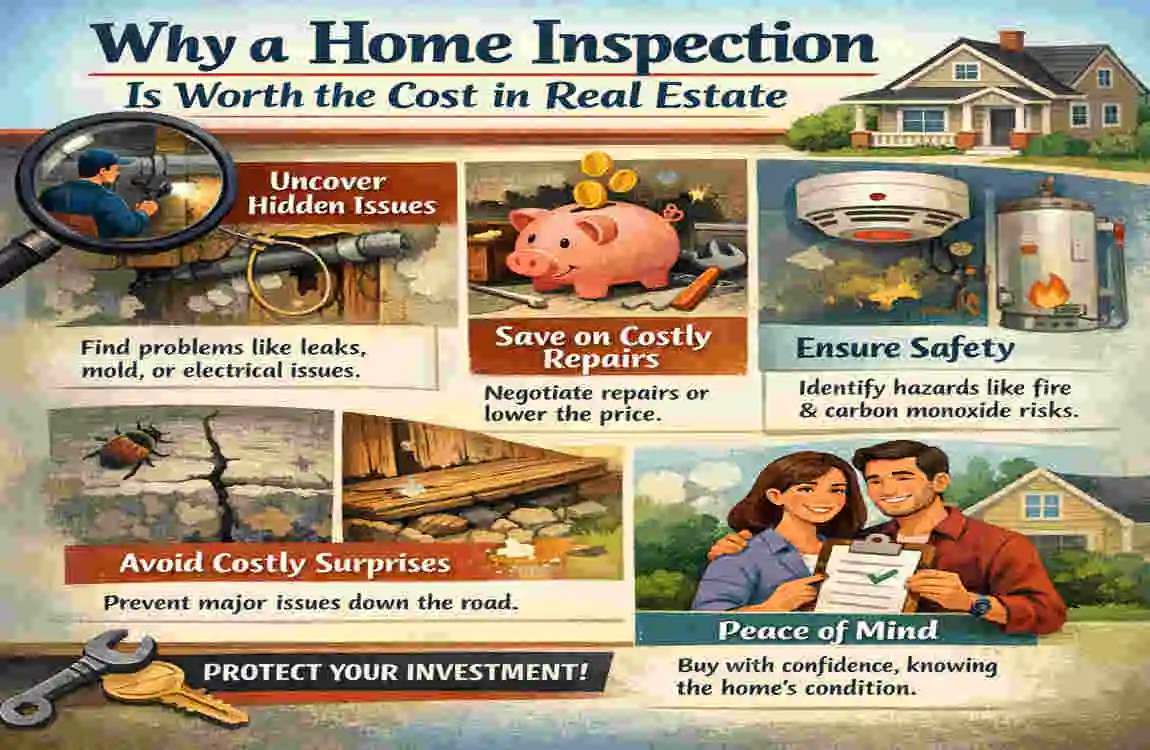
A home may look fine during a showing, but an inspection can reveal signs of costly issues. These may involve the roof, foundation, plumbing, electrical wiring, or HVAC system.
Catching those problems before purchase can save you a lot of stress and money.
Supporting Negotiations
If the inspection finds real concerns, the buyer may be able to ask for repairs or request a price adjustment, depending on the contract and local rules.
This does not mean every issue leads to a lower price. Still, the report gives you useful facts during negotiations.
Planning Future Maintenance
Even if the home is in good shape, the inspection report can help you plan future maintenance. You may soon learn which items need attention and which are fine for now.
That makes it easier to budget after moving in.
Providing Peace of Mind
A home inspection does not promise a perfect house. But it does provide more information about the property’s visible condition.
That peace of mind is often worth the cost on its own.
Home Inspection vs. Appraisal
People often confuse these two services, but they are not the same.
- A home inspection checks the condition of the property.
- An appraisal estimates the home’s market value for lending and transaction purposes.
Both are important, but they serve different goals.
Frequently Asked Questions About Real Estate Home Inspection Cost
How much does a typical home inspection cost?
Most home inspections cost a few hundred dollars, but the final amount depends on the home’s size, location, age, and any additional services.
Is a home inspection worth the money?
Yes, for most buyers it is. The cost is often small compared with the expense of missing a major defect.
Who normally pays for a home inspection?
The buyer usually pays for it, though local practices and contract terms can vary.
How long does a home inspection take?
It depends on the property. A smaller home may take a few hours, while a larger or more complex one can take longer.
Can a home inspection lower the purchase price?
Sometimes. If the report shows serious issues, the buyer may use that information in negotiations, but there is no automatic price drop.
Should buyers get additional inspections?
If the home has specific risks, extra tests can be a smart move. Examples include mold, radon, pests, sewer lines, or septic systems.
| Inspection Type | Average Cost |
|---|---|
| Standard Home Inspection | $300–$600 |
| Small Condo Inspection | $200–$400 |
| Large or Luxury Home | $500–$1,000+ |
| Older Home Inspection | $400–$800 |
| New Construction Inspection | $300–$600 |
| Additional Specialized Inspection | $100–$500+ |
