

China real estate investment attracts attention because China has one of the largest property markets in the world. It includes large cities, fast-growing suburbs, industrial centers, and a wide range of developments.
For beginners, this market can look exciting. It may offer rental income, long-term growth, and portfolio diversification. But it also comes with unique rules, ownership structures, and risks that you should understand before you buy.
That is why careful research matters so much. If you jump in too quickly, you may miss legal details, cost issues, or city-specific rules that affect your return.
What Is China Real Estate Investment?
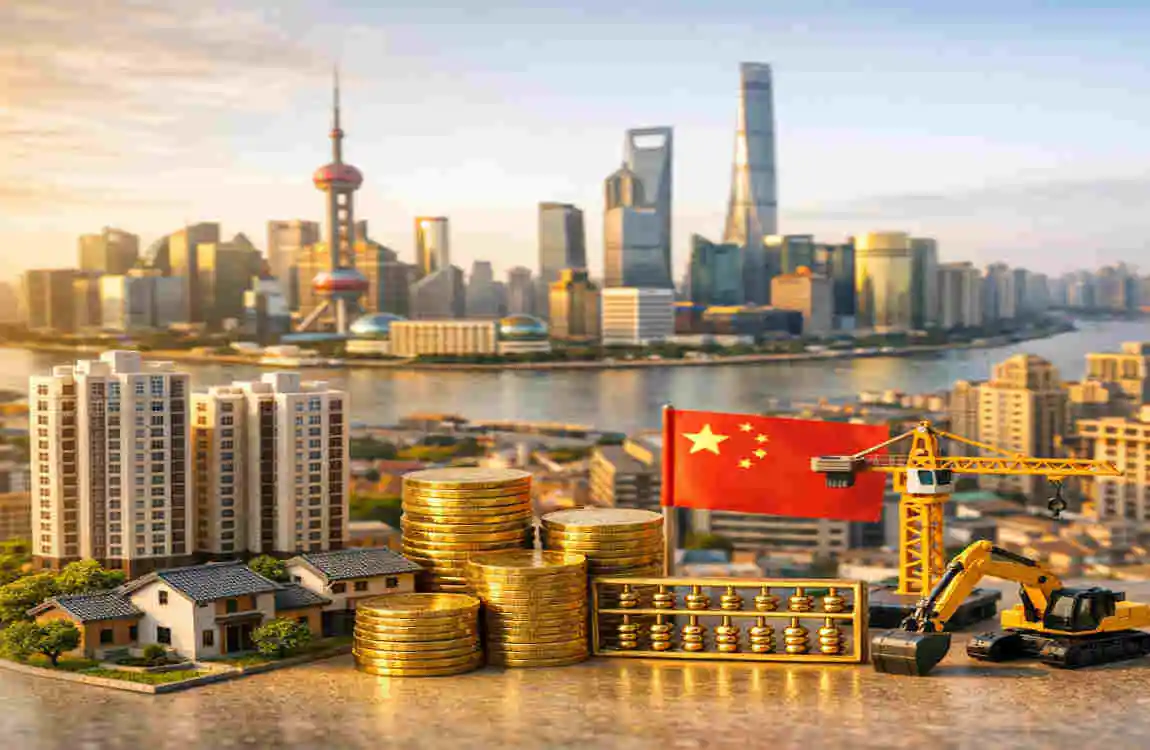
Understanding the Chinese Property Market
China’s property market is broad. It includes residential homes, commercial buildings, industrial facilities, and mixed-use projects. Each one works differently and serves a different purpose.
Residential property includes apartments and houses. Commercial real estate covers offices, shops, and retail buildings. Industrial property includes warehouses and logistics centers. Mixed-use developments combine several uses in one place.
For investors, the key question is simple: are you buying property for personal use, for rental income, or for long-term value growth? Each goal changes the type of property you should consider.
Why Investors Consider China Real Estate
Many investors look at China because the market is large and varied. Big cities have strong employment bases, dense populations, and active housing demand.
Some of the most common reasons investors consider this market include:
- Possible rental income
- Long-term appreciation potential
- Large urban populations
- Major infrastructure growth
- Portfolio diversification
That said, no investment is guaranteed. A good-looking market still needs careful analysis.
Major Cities for Real Estate Investment
Different cities perform differently. A property that works well in one city may not be a good fit in another.
City General Investor Interest Why It Attracts Attention
Beijing High Major national center, strong demand
Shanghai High Global business hub, premium market
Shenzhen High Tech-driven growth, strong urban demand
Guangzhou Moderate to high Large city, strong commercial activity
Chengdu Growing Expanding economy, rising popularity
Hangzhou Growing Business growth, lifestyle appeal
The important point is this: city choice matters a lot. Even within the same city, one neighborhood may perform very differently from another.
How Does Real Estate Ownership Work in China?
Land Ownership and Property Rights
One of the biggest differences in China is that property ownership is not always the same as land ownership.
In simple terms, buyers usually obtain property rights and land-use rights, not private ownership of land as in some other countries. That means the legal structure deserves careful attention.
You should always check how long the land-use period lasts and what rights come with the property. This helps you understand what you are actually buying.
Residential vs. Commercial Property Rights
Residential and commercial properties may have different legal terms and use periods. They may also follow different rules for taxes, management, and transfers.
That is why you should never assume one property type works like another. Always verify the legal status, land-use term, and property classification before you commit.
Why Legal Due Diligence Matters
Before any purchase, due diligence is critical. This is the part where you check the facts, the documents, and the seller’s right to sell.
Important checks include:
- Property title verification
- Seller verification
- Existing mortgages or liens
- Planning restrictions
- Building and land-use records
If something is unclear, pause and ask questions. A rushed deal can create expensive problems later.
Can Foreigners Invest in Chinese Real Estate?
Basic Considerations for International Investors
Foreign buyers may face different rules from local buyers. In some cases, eligibility can depend on residency, work status, or local policy.
The rules can also vary by city and may change over time. That means you should not rely on old information or assume every area follows the same process.
Important Documents to Research
Before moving forward, make sure you understand the documents involved. These may include:
- Identification and eligibility records
- Ownership documents
- Purchase contracts
- Tax records
- Registration papers
These documents help you confirm what you are buying and whether the transaction is legally sound.
Why Professional Advice Is Important
For international investors, professional help is not optional. It is a smart safety step.
A qualified local lawyer or real estate professional can explain the current rules, check documents, and help you avoid mistakes. This matters because property laws can differ from city to city.
Types of China Real Estate Investment
Residential Properties
Residential property is often the easiest type for beginners to understand. It includes apartments and houses, and it may offer rental income if the location has strong demand.
What matters most in residential real estate is usually:
- Location
- Transport access
- Schools
- Amenities
- Neighborhood demand
If people want to live there, rental potential may be stronger.
Commercial Real Estate
Commercial property includes offices, retail spaces, and shopping or mixed-use developments. These investments can offer strong returns, but they also tend to be more complex.
Commercial spaces depend heavily on business demand, tenant quality, and local economic conditions. They can also be harder to manage than residential property.
Industrial and Logistics Property
Industrial property includes warehouses, factories, and logistics centers. This type has become more visible due to e-commerce growth and supply chain demand.
If a region has strong distribution activity, industrial property may be attractive. Still, this market depends on location, infrastructure, and business trends.
Real Estate-Related Investment Alternatives
You do not always need to buy property directly. Some investors look at real estate companies, funds, or other regulated investment products.
These options can offer exposure to the market without direct ownership. But they also come with different risks, so they still need careful review.
How to Evaluate a China Real Estate Investment
Location and Market Demand
Location is one of the most important factors in any property market. In China, that means looking at population growth, jobs, transport, infrastructure, and rental demand.
A property in a strong location is often easier to rent and resell. A weak location may have lower demand, even if the price looks tempting.
Property Condition and Quality
A building can look good on paper but still require major work. Check the property‘s age, the quality of construction, and how much maintenance it will require.
You should also think about renovation costs, energy use, and overall condition. A cheaper property may become expensive if repairs are needed soon.
Rental Income Potential
If your goal is rental income, estimate it carefully. Do not just look at the monthly rent. Compare it with all the costs that come with ownership.
A simple approach is to compare:
- Purchase price
- Expected monthly rent
- Vacancy time
- Maintenance costs
- Taxes and fees
- Management expenses
This gives you a more realistic view of return.
Calculate Potential Return
A basic rental yield formula is:
Rental Yield = Annual Rental Income ÷ Property Purchase Price × 100
This is useful, but it is only one part of the picture. A strong yield does not automatically mean a great investment if the market is risky or the property is hard to sell later.
Costs and Taxes to Consider
Purchase-Related Costs
When buying property, the purchase price is only the beginning. You may also need to budget for:
- Registration expenses
- Professional fees
- Transaction-related taxes
- Financing costs
- Legal review fees
These extra items can significantly affect your total investment amount.
Ongoing Expenses
Once you own the property, the costs continue. Common ongoing expenses may include:
- Property management
- Repairs and maintenance
- Insurance where available
- Utilities, if paid by the owner
- Local taxes or applicable charges
A good investment should still work after all of these are included.
Selling Costs
Selling can also bring costs. These may include taxes, paperwork expenses, and administrative charges.
That is why it is smart to estimate net proceeds rather than just the sale price. The final amount in your pocket may be much lower than the headline number.
Financing China Real Estate Investment
Paying With Cash
Paying in cash can reduce financing stress. You avoid interest payments and may keep the process simpler.
But cash investors still need to keep reserves. Putting too much money into one property can leave you short on flexibility later.
Mortgage and Financing Options
Financing may depend on your nationality, residency, income, property type, and lender rules. There is no one-size-fits-all answer here.
Before borrowing, compare rates, fees, repayment terms, and eligibility. Small differences in financing can change your return more than you expect.
Why Currency Risk Matters
If you are an overseas investor, currency risk is very important. Exchange-rate changes can reduce or increase your actual return.
That is why it helps to calculate the investment in both local currency and your home currency. A property can look profitable in one currency and weaker in another.
Risks of China Real Estate Investment
Market and Property Price Risk
Property values can go up or down. Just because a market has grown before does not mean it will keep growing.
Some cities or neighborhoods may perform well, while others slow down. Investors should avoid assuming that past growth will continue forever.
Regulatory Risk
Property rules, purchase limits, taxes, and financing policies can change. This is one reason beginners need updated local information.
A rule that was true last year may not be true now. Always check the current situation before making a decision.
Economic Risk
Property markets often reflect the wider economy. Employment, wages, interest rates, and consumer confidence can all affect demand.
If the economy slows, property performance may also slow.
Liquidity Risk
Real estate is not always easy to sell quickly. If you need to exit fast, you may have to lower your price.
That means you should invest with a long-term plan, not with money you may suddenly need.
Developer and Construction Risk
New developments can involve delays, quality problems, or financial issues with the developer. That is why project history matters.
If you are buying off-plan or newly built property, research the developer carefully.
A Beginner’s Step-by-Step China Real Estate Investment Strategy
Define Your Investment Goal
Start with your goal. Ask yourself whether you want rental income, long-term appreciation, portfolio diversification, commercial exposure, or personal use with investment value.
A clear goal helps you choose the right property type.
Select a Market
Compare cities and neighborhoods based on demand, prices, transport, employment, and future development.
Do not pick a market only because it sounds famous. Pick the one that fits your plan.
Set a Realistic Budget
Your budget should include the purchase price and all the added costs. Leave room for repairs, maintenance, and unexpected expenses.
It is always better to be slightly conservative than too optimistic.
Conduct Due Diligence
Check the property, the seller, the ownership documents, and any outstanding obligations. This step protects you from legal and financial surprises.
Review the Numbers
Look at the whole picture:
- Total investment cost
- Expected rent
- Operating expenses
- Taxes
- Appreciation potential
- Exit costs
This helps you see whether the deal makes sense.
Complete the Transaction Carefully
Do not rush the final steps. Use qualified professionals to review the contract, confirm registration, and help with payment details.
Careful closing can prevent expensive mistakes later.
Common Mistakes Beginners Should Avoid
Investing Without Understanding Local Regulations
Do not assume Chinese property rules are the same as rules in your home country. That is a common and costly mistake.
Focusing Only on Property Prices
A low price does not always mean a good investment—location, demand, legal status, and rental potential matter more than price alone.
Ignoring Hidden Costs
Always include taxes, fees, repairs, management, and selling costs. These can significantly reduce your return.
Choosing Based Only on Appreciation
Price growth is never guaranteed. Look at current demand and property fundamentals too.
Skipping Professional Due Diligence
A local professional can help spot legal, financial, or property issues before you buy. That support is often worth the cost.
Is China Real Estate Investment Right for Beginners?

Potential Advantages
China offers a large and varied property market. Beginners may find opportunities in different property categories and locations.
Possible advantages include:
- Rental income potential
- Long-term diversification
- Access to large urban markets
- Different property types to study
Potential Disadvantages
There are also clear challenges:
- Regulatory complexity
- Market volatility
- Liquidity concerns
- Currency risk for foreign investors
- Location-specific performance
- Eligibility issues for some buyers
Because of that, beginners should focus on research and risk control first.
Frequently Asked Questions
Is real estate investment in China a good option for beginners?
It can be, but beginners should first understand the rules, costs, and risks involved.
Can foreigners buy real estate in China?
Foreign buyers may face special rules and eligibility requirements. These can vary by location and change over time.
Which Chinese cities are popular for real estate investment?
Beijing, Shanghai, Shenzhen, Guangzhou, Chengdu, and Hangzhou are commonly researched cities.
What are the biggest risks of investing in Chinese real estate?
The biggest risks include price changes, regulatory changes, economic shifts, liquidity issues, financing costs, and developer risk.
How can beginners choose a property in China?
Start with your goal, research the market, compare properties, calculate costs, and do legal due diligence.
Is rental income possible from Chinese property?
It may be possible depending on the property, location, and applicable rules. Always check expected rent against total costs.
Should I buy residential or commercial property?
Residential may be simpler for beginners, while commercial property can offer different income potential and risk. The right choice depends on your goals.
| Section | Key Information |
|---|---|
| What Is China Real Estate Investment? | Buying property or investing in China’s real estate market to earn rental income or potential long-term returns. |
| Popular Investment Areas | Major cities such as Beijing, Shanghai, Shenzhen, and Guangzhou are commonly associated with strong property markets. |
| Investment Options | Residential apartments, commercial properties, rental properties, and real estate-related investments. |
| Main Benefits | Potential rental income, portfolio diversification, and exposure to a large property market. |
| Key Risks | Property-market fluctuations, changing regulations, financing restrictions, and economic conditions. |
