
Real estate is often about more than just buying and selling land. It is also about how land can be used, improved, and combined to create something more valuable. That is why investors, developers, and property owners pay close attention to parcels of land that are adjacent to one another. When those parcels are brought together, they can open the door to bigger projects, better planning, and higher profits.
This is where assemblage in real estate comes in.
Understanding assemblage in real estate matters because it can change how land is valued and developed. For investors, it can mean better returns. For developers, it can create more room for construction. For property owners, it may turn a modest piece of land into something much more attractive to buyers. In some cases, assemblage can also help solve zoning challenges and make land use more efficient.
What Is Assemblage in Real Estate?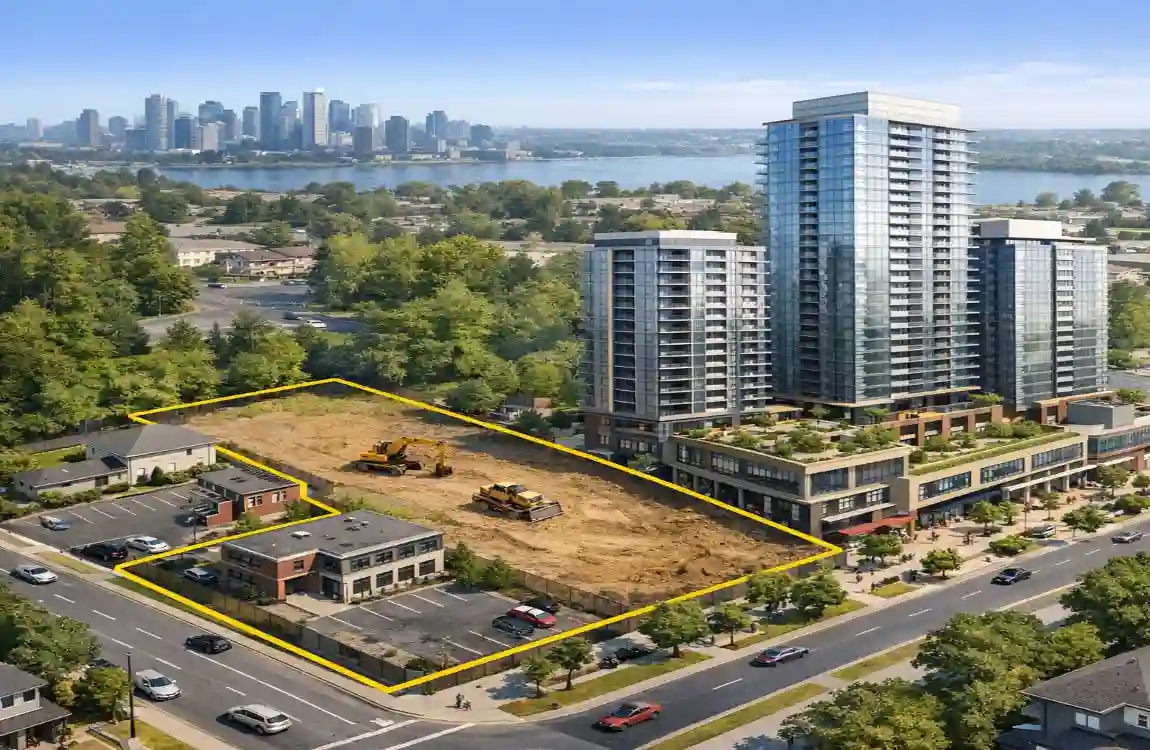
Definition of assemblage
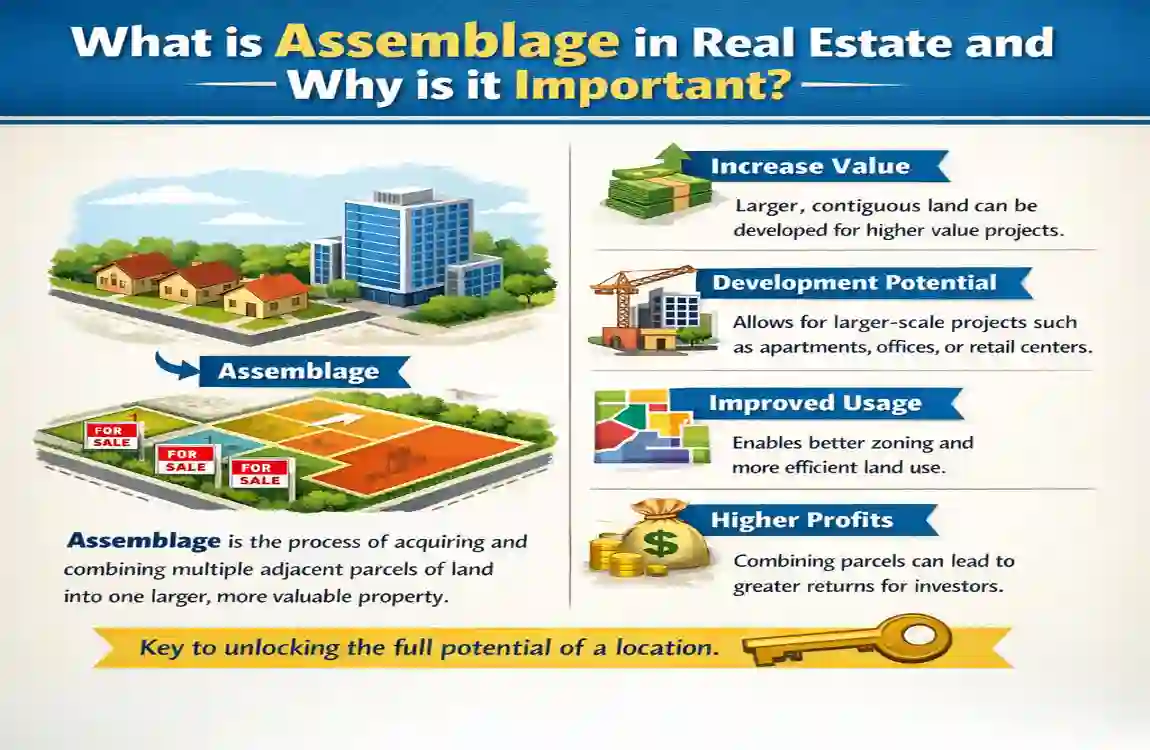
Assemblage in real estate refers to combining two or more neighboring parcels of land into a single larger property. The goal is usually to create a site that is more useful, more valuable, or better suited for development.
Think of it as putting puzzle pieces together. A single lot might be too small to do much with on its own, but when it is joined with nearby land, it can become the right size for a new project. That project might be a residential building, a retail space, an office complex, or even a mixed-use development.
In everyday language, assemblage is joining land to create something bigger and more useful.
How the assemblage works
The process usually starts with a property owner, investor, or developer noticing that several adjacent parcels could work better together than apart. They may look at:
- A group of small residential lots
- Vacant land next to an older building
- Two or more commercial parcels
- Underused property in a redevelopment zone
When these properties are combined, the new larger site may support more construction, more efficient design, or a stronger market value.
Assemblage can happen in a few different ways:
- A developer buys neighboring lots one by one
- A landowner purchases adjacent property to expand their site
- Multiple owners agree to sell their land together
- A long-term redevelopment plan brings several parcels into one project
The key idea is that the combined land is worth more, or at least more useful, than the individual parcels were on their own.
Basic example of assemblage
Imagine three small lots sitting side by side on a busy city street. Each one is too narrow for a modern apartment building. But if a developer buys all three and combines them, the new site may be large enough for a multi-story residential project with parking, retail space, or shared amenities.
Before assemblage, the lots are limited. After assemblage, the land becomes far more attractive.
That is the power of assemblage in real estate. It turns separate pieces into a stronger whole.
Why Is Assemblage Important in Real Estate?
Increases property value
One of the biggest reasons assemblage matters is that it can increase property value. A larger parcel of land often has more possible uses than a small one. That added flexibility can make buyers willing to pay more.
For example, a small lot may only support a single home. But if that same lot is combined with nearby parcels, it may support townhomes, apartment units, or a commercial building. That expanded use can make the land far more valuable.
In real estate, value is often tied to what a property can do. Assemblage expands those possibilities, and that can raise the price.
Creates new development opportunities
Assemblage is also important because it can unlock new development opportunities.
A developer may not be able to build much on a single lot. But once several lots are combined, the project possibilities expand. This is especially useful for:
- Residential projects
- Commercial developments
- Mixed-use properties
- Urban redevelopment sites
- Large parking or access layouts
This is one reason assemblage is so common in growing cities and redevelopment areas. When land is scarce, combining parcels can be the only practical way to create a useful site.
Maximizes land use efficiency
Land assemblage can help owners and developers use space more efficiently. Instead of having several small parcels with awkward shapes or limited access, the combined site may allow for better planning.
That might mean:
- Easier building placement
- Better access roads
- More parking
- Improved utilities
- Cleaner site design
In short, assemblage helps turn fragmented land into a more functional property.
That matters because poorly used land can waste development potential. Assemblage can help fix that problem.
Key Benefits of Assemblage in Real Estate
Higher return on investment
One of the main reasons people pursue real estate assemblage is the chance for a better return.
When land is assembled properly, the final property may be worth much more than the cost of the individual parcels. That difference can create a strong return for the investor or developer.
This happens because the combined property may support a more profitable use. A site that once held a small structure could become a building with many units or a larger commercial project. That increase in income potential often leads to a stronger resale value as well.
For investors, this is one of the biggest rewards of land assemblage.
Greater zoning flexibility
Sometimes a single lot does not meet the size or shape requirements for a major project. But when several parcels are combined, the new site may fit zoning rules more easily.
This can be helpful when a developer wants to:
- Add more units
- Build higher
- Create better setbacks
- Improve access
- Meet minimum lot size requirements
In some cases, assemblage can also make it easier to apply for rezoning or special approvals. A larger and more organized parcel may be more appealing to planning officials than several disconnected lots.
That gives the developer more room to work with and may open up planning options that were previously unavailable.
Attracts real estate developers
Larger parcels often attract more attention from developers and investors. Why? Because bigger sites can support bigger ideas.
A small parcel may only interest a homeowner or a small business owner. But a larger assembled site may catch the eye of a developer looking for a serious project.
This can increase the number of interested buyers and may lead to stronger offers.
From a seller’s perspective, that is a major advantage. Once land becomes part of a larger development opportunity, it often becomes more marketable.
Improved marketability
Assemblage can also improve how a property is presented to the market.
A single small parcel may not seem exciting on its own. But when paired with neighboring land, it becomes part of a larger, more valuable opportunity. That can make it easier to market to the right buyers.
Larger sites often look more attractive in listing materials, site plans, and investment proposals. They may also stand out in areas where developable land is limited.
This improved marketability is one reason many brokers and developers keep an eye on neighboring parcels.
Summary of major benefits
Here is a quick look at the biggest advantages of assemblage:
- Higher property value
- More development options
- Better land use
- Greater zoning flexibility
- Stronger buyer interest
- Better resale potential
These benefits explain why assemblage is such an important strategy in real estate development.
The Process of Assemblage in Real Estate
Identify adjacent properties
The first step is to find parcels that are adjacent and could work well as a single site. This may sound simple, but it often takes research.
You need to look at:
- Parcel maps
- Ownership records
- Zoning details
- Property sizes
- Access points
- Existing uses
The goal is to find properties that are close enough and compatible enough to create a stronger combined site.
Not every neighboring lot will be a good fit. Some may have different zoning, restrictive easements, or owners unwilling to sell. So this step requires patience and careful analysis.
Analyze market potential
Before buying anything, you should understand what the combined parcel could actually do.
Ask questions like:
- What kind of development is allowed here?
- Is the area growing?
- Are nearby projects increasing demand?
- Would a larger site attract more buyers?
- Could the land support residential, commercial, or mixed-use development?
This kind of market review helps you decide whether the assemblage is worth pursuing. If the area has strong growth potential, the combined site may become very valuable. If demand is weak, the opportunity may be smaller.
Negotiate with property owners.
Once you identify the parcels you want, you need to talk to the owners.
This part can be sensitive. Some owners may be ready to sell. Others may want a much higher price because they know their land is part of a larger opportunity. Some may not want to sell at all.
Good negotiation matters here. You may need to explain:
- Why is the property important
- What do you plan to do with the site
- How the offer benefits the owner
- Whether the timeline is flexible
In many cases, assemblage only works if all owners agree to sell. That can take time, trust, and persistence.
Conduct due diligence
Before closing the deal, you should investigate everything carefully.
Due diligence may include:
- Property surveys
- Title searches
- Environmental checks
- Zoning reviews
- Legal review
- Utility access review
This step helps you avoid surprises. A parcel may look perfect on paper but have hidden problems such as title disputes, contamination, or access limitations.
If you are planning a major development, due diligence is not optional. It protects your investment.
Complete acquisition and consolidation
After the purchases are finished, the properties are legally combined through the proper process. Depending on the location, this may involve recording new legal descriptions, updating tax records, or filing land use documents.
The important thing is that the parcels are no longer treated as separate pieces for the intended use. They now function as one larger property.
This is the final step that turns land assemblage from a plan into reality.
Factors That Influence Successful Assemblage
Location
Location is one of the strongest factors in any real estate decision, and assemblage is no exception.
Assemblage tends to work best in areas where:
- Land is scarce
- Development demand is high
- Cities are expanding
- Old neighborhoods are being redeveloped
- Commercial growth is active
High-growth zones create more value because larger parcels are in demand. If the location is weak or isolated, the assemblage may not bring as much benefit.
Zoning regulations
Zoning rules can make or break an assemblage project.
Local land-use laws may control:
- Lot size
- Building height
- Setbacks
- Use type
- Parking requirements
- Density limits
If the combined property does not meet those rules, the project may not move forward. In some cases, an assemblage is valuable precisely because it helps meet zoning requirements that smaller lots could not satisfy.
That is why zoning review is so important from the start.
Property ownership complexity
Assemblage becomes harder when many owners are involved. More owners usually mean more opinions, more negotiations, and more chances for delay.
Some owners may ask for a Premium price because they know the land has strategic value. Others may have emotional reasons for holding on to the property.
The more complex the ownership pattern, the more difficult the assemblage process can become.
Market conditions
Market trends also matter. If the local real estate market is strong, assemblage can be more attractive because developers are more likely to move quickly on new opportunities.
Important market factors include:
- Demand for housing
- Commercial growth
- Interest rates
- Construction costs
- Local job growth
- Population trends
A strong market can raise the value of the assembled site. A weak market may make the opportunity less appealing.
Challenges of Assemblage in Real Estate
Difficulty acquiring all parcels
One of the biggest problems in real estate assemblage is simply getting every required parcel under control.
If even one owner refuses to sell, the assemblage may fall apart. That can be frustrating, especially if most of the other owners are willing.
This is why timing and negotiation strategy are so important. One missing piece can stop the entire plan.
Rising acquisition costs
When sellers realize their parcel is part of a larger development opportunity, they may ask for more money. This is natural, but it can also make the deal more expensive.
If too many owners raise their prices, the total acquisition cost may become too high for the project to make sense.
That means investors must be careful not to overpay. The potential future value must justify the purchase price.
Legal and regulatory issues
Assemblage can involve complex legal steps. Depending on the project, you may need approvals, surveys, title work, zoning review, and environmental reports.
Some common legal concerns include:
- Boundary disputes
- Easements
- Access rights
- Title defects
- Environmental restrictions
If these issues are not handled early, they can delay or derail the project.
Time-consuming process
Assemblage is rarely fast. It can take months or even years to bring several parcels together.
Why? Because each parcel may involve a different owner, different legal records, and different negotiation timelines. Due diligence can also take time.
That is why assemblage is often a long-term strategy rather than a quick flip.
Assemblage vs. Plottage in Real Estate
What is plottage?
Plottage in real estate refers to the increase in value that occurs when several parcels are combined into a single, larger, more useful site.
So while assemblage is about the process of combining parcels, plottage is about the value increase that results from that combination.
Key differences between assemblage and plottage
AssemblagePlottage
Combining adjacent parcels: Increase in value after combining parcels
Focuses on land acquisition. Focuses on the resulting value
Development process Financial benefit
Happens before the value increases. Happens because of the value increase
A simple way to remember the difference
Think of it this way:
- Assemblage = putting the land together
- Plottage = the extra value created after the land is together
This is why the two terms are connected. They describe different parts of the same idea.
If you are studying assemblage in real estate, it is helpful to understand both terms because they often appear in property development discussions.
Real-World Examples of Assemblage in Real Estate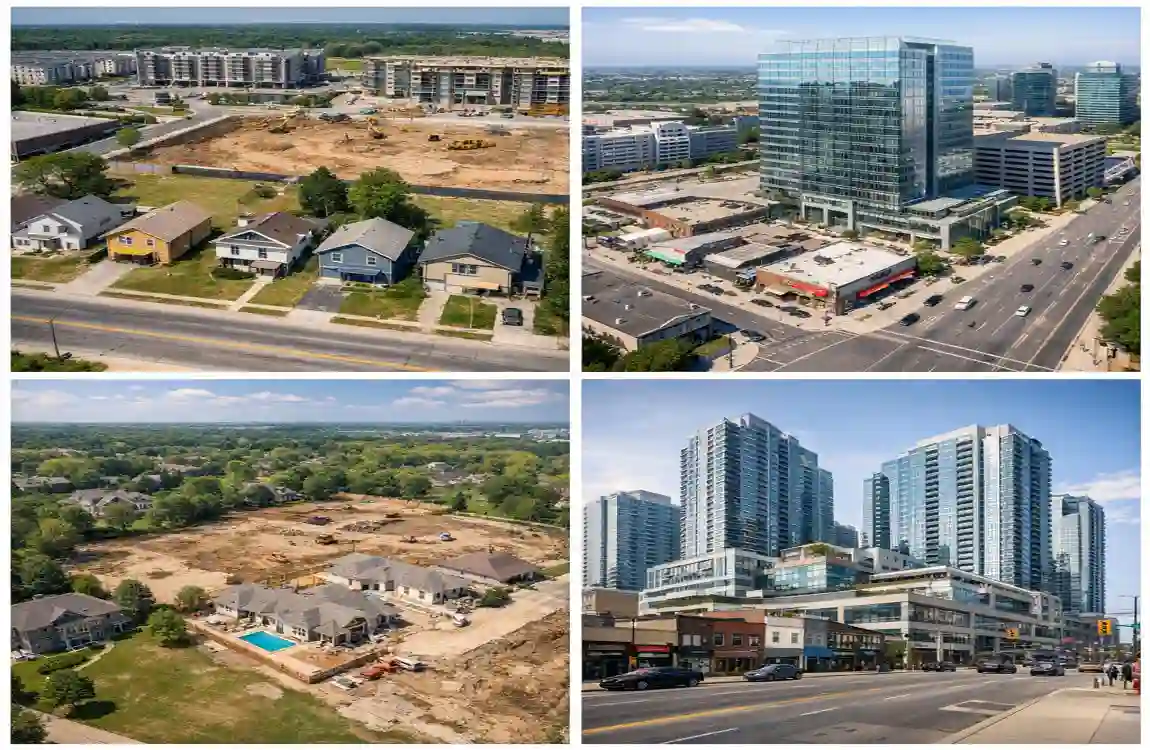
Residential development example
A developer wants to build a small apartment complex, but each lot in the area is too small on its own. The developer buys several neighboring lots, combines them, and creates a site large enough for the project.
That is a classic example of a residential assemblage.
Commercial development example
A business group wants to build a shopping center. Still, the target area consists of several small parcels owned by different owners. By purchasing and combining those parcels, the group creates one large commercial site.
This kind of assemblage often happens near busy roads, retail corridors, or growing suburbs.
Urban redevelopment projects
In cities, assemblage is often used to help revive older neighborhoods or industrial areas. Several outdated properties may be combined to make room for a new housing complex, office building, or mixed-use district.
These projects can reshape entire blocks and bring new value to underused land.
Frequently Asked Questions
What does assemblage in real estate mean?
Assemblage in real estate refers to combining two or more adjoining parcels of land into a single larger property for improved use, higher value, or greater development potential.
Why is assemblage important in property development?
It is important because it can create larger, more valuable sites that support new construction, better land use, and stronger investment returns.
How does assemblage increase property value?
Assemblage can increase value by making the land more useful for development. A larger site often has more possible uses and can attract better offers.
What is the difference between assemblage and plottage?
Assemblage is the act of combining parcels, while plottage is the increase in value that results from the combination.
What challenges can occur during the assemblage process?
Common challenges include reluctant owners, higher acquisition costs, zoning issues, legal issues, and lengthy negotiation periods.
Who benefits most from assemblage in real estate?
Developers, investors, landowners, and municipalities can all benefit. Developers gain more project potential, and landowners may receive stronger offers for their property.
Is assemblage only for commercial properties?
No, assemblage can be used for residential, commercial, industrial, and mixed-use projects. It is useful anywhere where combined land creates more value than separate parcels.
