
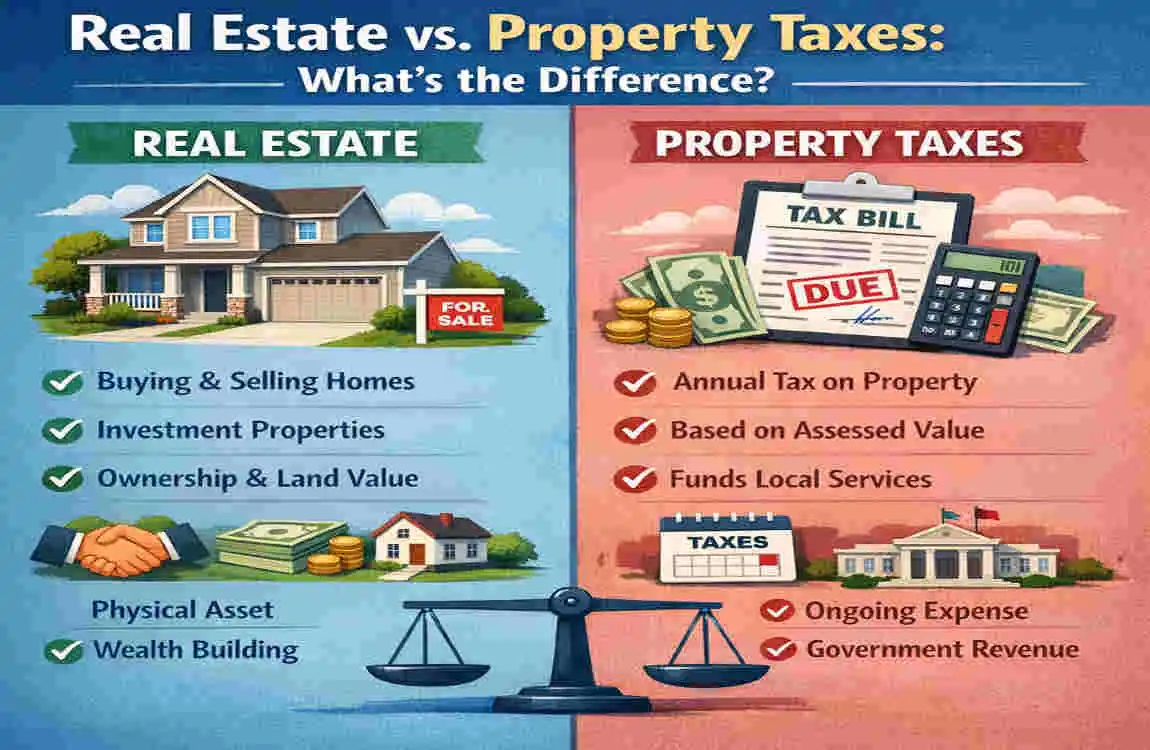
That is why people often get confused when buying a home, reviewing a tax bill, or talking with a lender. The words sound similar, and in everyday conversation, many people use them interchangeably. Still, local tax rules can change the meaning. In some areas, real estate tax refers only to land and buildings. At the same time, property tax can also include personal property, such as business equipment or vehicles.
If you are a homeowner, buyer, or investor, it helps to know the difference. Understanding that real estate and property taxes are the same thing can make budgeting easier and prevent surprise costs later.
What Are Real Estate Taxes?
Definition of Real Estate Taxes
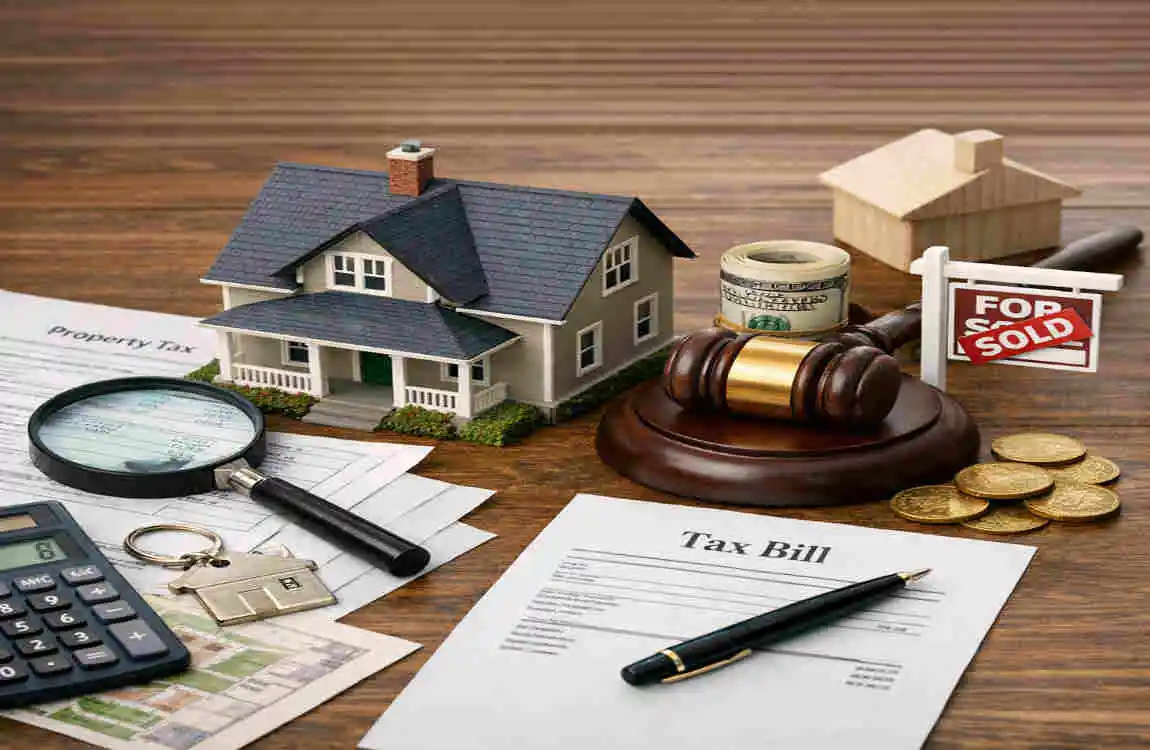
Real estate taxes are taxes charged on land and permanent structures attached to it. That usually includes houses, apartments, commercial buildings, and other fixed improvements.
These taxes are usually collected by local governments such as counties, cities, or school districts. The goal is to fund public services in the area where the property is located.
What Real Estate Taxes Pay For
Real estate taxes often help pay for services like:
- Public schools
- Roads and bridges
- Police and fire departments
- Parks and libraries
- Community services
In simple terms, these taxes help keep your local area running.
What Are Property Taxes?
Definition of Property Taxes
Property taxes are taxes placed on property you own. In many places, this term is broad. It may include real property such as land and buildings, and sometimes personal property depending on local laws.
So when someone says “property tax,” they might mean a tax on a house, a business machine, a car used for business, or other owned items.
Types of Property Taxes
Property taxes can include:
- Real property taxes: taxes on land and buildings
- Personal property taxes: taxes on movable items like equipment or vehicles
- Business property taxes: taxes on tools, machinery, and other business assets
This is why the term property tax is often wider than real estate tax.
Are Real Estate and Property Taxes the Same Thing?
The Simple Answer
In many states and countries, yes, they mean the same thing. People often use both terms to describe the tax on a home or building.
But legally, the meaning can be different depending on where you live. That is the key point.
Why the Terms Get Mixed Up
The confusion happens because most homeowners only deal with taxes on land and houses. So when they hear “property taxes,” they assume it’s the same as real estate taxes.
That is often true, but not always. In some places, property tax is the bigger category, and real estate tax is just one part of it.
Key Difference to Remember
- Real estate tax usually applies to land and buildings
- Property tax may include real estate plus personal property
So the safest answer is:
Yes, in many places they refer to the same tax, but legally they can have different meanings depending on your local tax laws.
Real Estate Taxes vs. Property Taxes: Comparison Table
Feature Real Estate Taxes Property Taxes
Applies To Land and buildings Real estate and sometimes personal property
Paid By Property owners Property owners and businesses
Assessed By Local government Local or state government
Includes Personal Property Usually no Sometimes yes
Used For Public services Public services and sometimes broader tax needs
This table makes it easier to see that the terms overlap, but they are not always identical.
How Real Estate and Property Taxes Are Calculated
Property Assessment
Your tax bill usually starts with a property assessment. This is the value the government gives your property for tax purposes.
Two important values are involved:
- Market value: what your property might sell for
- Assessed value: the value used to calculate taxes
These two numbers are not always the same.
Tax Rate or Mill Rate
Next comes the tax rate. Local governments set a rate based on their budget needs. In some areas, this is called a mill rate.
A higher tax rate means a higher tax bill. A lower rate means a smaller bill.
Simple Example
Let’s say:
- Assessed value = $200,000
- Tax rate = 1.5%
Your tax bill would be:
$200,000 × 1.5% = $3,000 per year
That means you would owe about $250 per month if you saved for it monthly.
Who Pays These Taxes?
Main Taxpayers
These taxes are usually paid by:
- Homeowners
- Landlords
- Commercial property owners
- Businesses, where applicable
If you own property, you are usually responsible for the tax bill.
What About Renters?
Renters usually do not pay property taxes directly. However, landlords often include these costs in the rent they charge.
So even if you rent, you may still help cover the tax burden indirectly.
Factors That Affect Your Tax Bill
Your property tax bill can change for many reasons. The biggest factors include:
- Property value
- Location
- Local tax rates
- Home improvements
- Tax exemptions
- School district funding
For example, if your home value goes up, your tax bill may also rise. If your area increases funding for schools or roads, taxes may go up too.
Can You Reduce Your Property Taxes?
Helpful Ways to Lower Your Bill
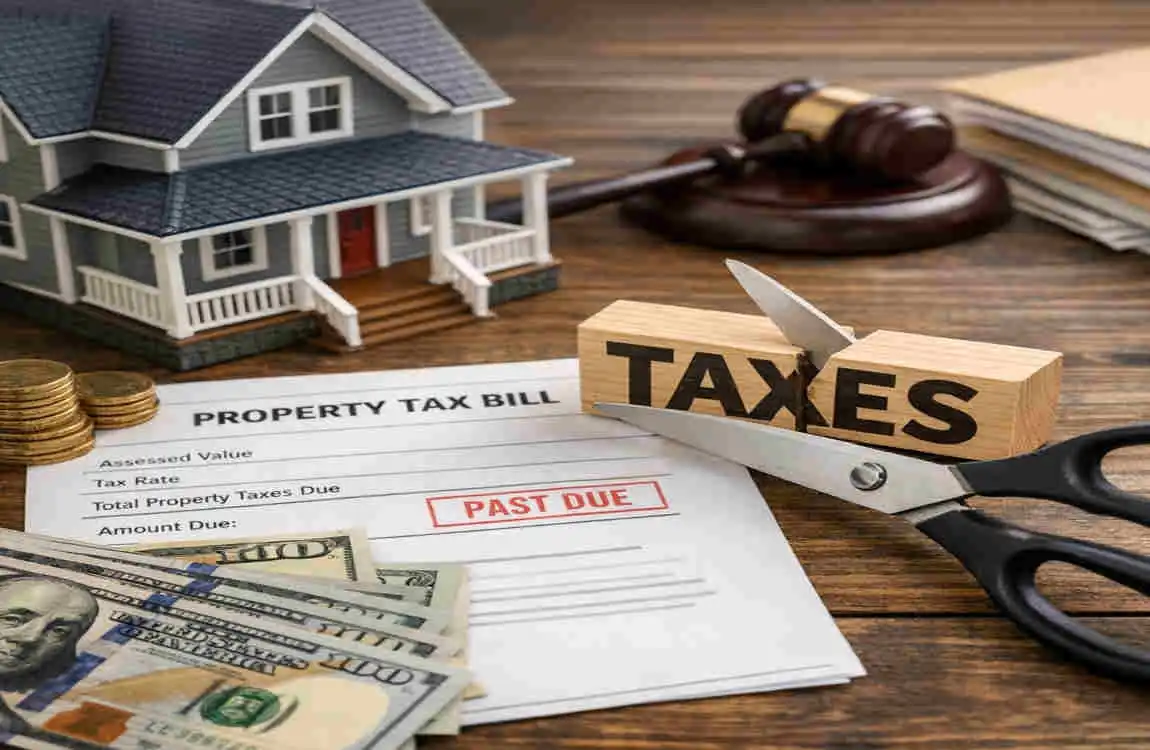
You may be able to lower your tax bill by:
- Applying for exemptions
- Appealing an unfair assessment
- Checking your property record
- Watching local market values
- Looking for tax relief programs
Why This Matters
Sometimes property values are assessed too high. If that happens, you may be paying more than you should. Reviewing your tax bill carefully can save you money.
Common Misconceptions
Many people believe the following, but they are not always true:
- “Real estate taxes and property taxes are always different.”
- “Everyone pays the same tax rate.”
- “Property taxes never change.”
- “Renters never pay property taxes at all.”
- “The federal government sets property taxes.”
The truth is that local governments usually control these taxes, and the rules vary from place to place.
Frequently Asked Questions
Are real estate and property taxes the same thing?
In many places, yes. But property tax can sometimes include taxes on personal property. In contrast, real estate tax usually applies only to land and buildings.
What is included in real estate taxes?
Real estate taxes usually cover land, homes, commercial buildings, and other permanent structures.
Do renters pay property taxes?
Not directly. But landlords often factor property taxes into the rent amount.
How are property taxes calculated?
They are usually based on the property’s assessed value multiplied by the local tax rate.
Can property taxes increase over time?
Yes. Property values, reassessments, and local tax changes can all raise your bill.
| Feature | Real Estate Taxes | Property Taxes |
|---|---|---|
| Definition | Taxes levied specifically on land and buildings (real property). | A broader term that may include taxes on real estate and, in some areas, personal property. |
| What Is Taxed? | Land, homes, commercial buildings, and other permanent structures. | Real estate plus taxable personal property (e.g., vehicles or business equipment, depending on local laws). |
| Who Pays? | Property owners. | Property owners or owners of taxable personal property. |
| How It’s Calculated | Based on the assessed value of the real estate and the local tax rate. | Based on the assessed value of the taxable property and applicable tax rates. |
| Collected By | Local governments such as counties, municipalities, or school districts. | Local or regional tax authorities. |
| Primary Purpose | Funds public services like schools, roads, police, and fire departments. | Supports public services and local government operations. |
| Key Difference | Applies only to real property (land and buildings). | Can refer to taxes on both real property and certain personal property, depending on the jurisdiction. |
